
Most of us don’t think twice before discarding old clothes but fabric waste is one of the biggest contributors to landfills today. The truth is, different fabrics take very different amounts of time to decompose, and many of them stay on the planet for decades (or even centuries).
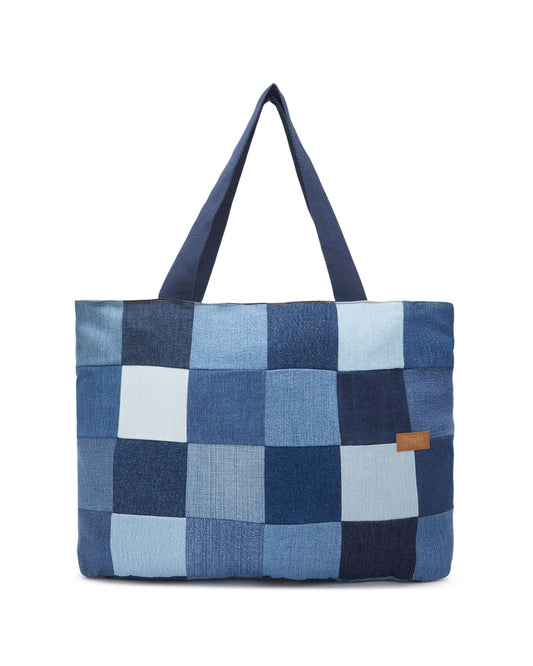
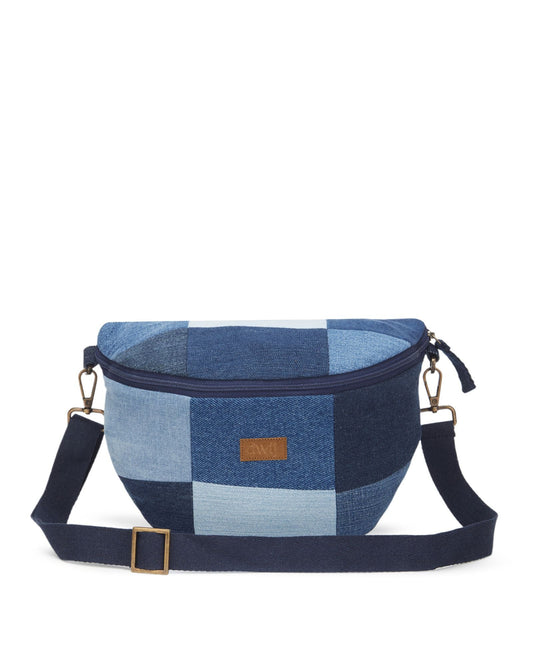
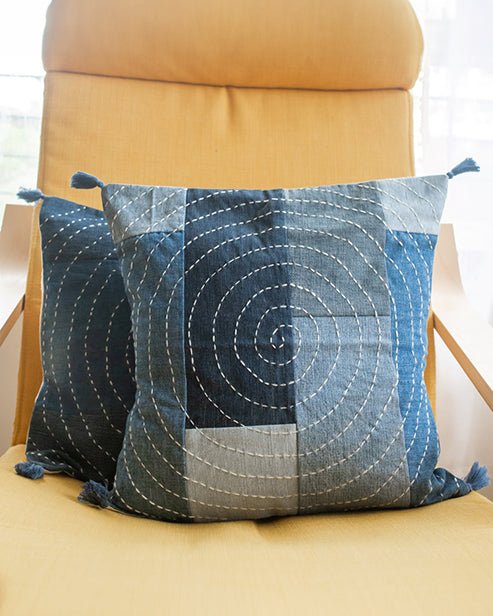
That’s why choosing upcycled products, especially upcycled denim products made from upcycled denim jeans products, can make a real difference. Upcycling helps extend the life of fabric that already exists, reducing waste before it even reaches landfills.
Here’s a clear breakdown by Dwij.
1) What Does “Decompose” Really Mean?
When we talk about fabric decomposing, we often imagine it simply “disappearing” over time. In reality, decomposition depends on many environmental and material factors that influence how quickly fibers break down into natural elements.
Fabric decomposition depends on:
-
Type of fiber (natural vs synthetic)
-
Blends (cotton + polyester decomposes slower than pure cotton)
-
Dyes and chemical treatments
-
Landfill conditions (low oxygen slows decomposition)
-
Moisture, heat, and sunlight exposure
-
Thickness of fabric (denim is thicker, so it breaks down slower than thin cotton)
2) How Long Do Different Fabrics Take to Decompose?
Not all fabrics behave the same once discarded. Some natural fibers return to the earth relatively quickly, while others especially synthetics remain in the environment for generations.
Natural Fabrics (Decompose Faster)
-
Cotton: a few months to a few years
-
Wool: 1–5 years
-
Silk: 1–4 years
-
Linen (flax): a few months to 2 years
Semi-Synthetic Fabrics (Treated / Processed)
-
Viscose/Rayon: weeks to months (but depends on processing)
Synthetic Fabrics (Decompose Very Slowly)
-
Polyester: 20–200+ years
-
Nylon: 30–40+ years
-
Acrylic: 200+ years
-
Spandex/Elastane: decades to centuries
Many synthetic fabrics don’t truly “decompose”, they break into microplastics, which remain in the environment.
3) Where Does Denim Fit in This?
Denim is often misunderstood because it looks heavy and industrial, yet it’s usually made from cotton, a natural fiber. However, denim’s decomposition rate depends heavily on how it’s made and finished.
Denim may include:
-
100% cotton denim → decomposes faster than synthetics
-
Cotton + elastane blend → takes longer
-
Heavy dyes + finishes → slows down decomposition
-
Thicker fabric → breaks down slower than thin cotton
So while denim can decompose, it still takes time, and in landfills it may sit for years due to limited oxygen and moisture.
4) Why Fabric Takes Longer to Decompose in Landfills
Even biodegradable fabrics don’t break down efficiently once they reach landfills. This is because landfills are not designed to support natural decomposition.
In landfills:
-
Waste is packed tightly, limiting oxygen
-
Low airflow slows microbial activity
-
Moisture levels are inconsistent
-
Fabrics mix with plastics and other waste
-
Chemical dyes and coatings delay breakdown
This is why saying “cotton decomposes” isn’t enough, the real issue is how and where it decomposes after disposal.
5) The Real Problem: Textile Waste Builds Up Fast
The scale of textile waste is growing rapidly due to changing consumption habits. Clothes are worn fewer times and discarded faster than ever before.
Textile waste increases because:
-
Clothes are discarded more frequently than ever
-
Many garments are made from blends that last for decades
-
Fast fashion encourages “wear a few times and throw away”
-
Landfills get overloaded with fabric that doesn’t break down easily
Once discarded, much of this fabric sits unused for years, contributing to long-term environmental harm.
6) Why Upcycling Matters More Than Waiting for Decomposition
Instead of relying on decomposition, which can take decades, upcycling focuses on preventing waste altogether. It keeps fabric in use and reduces the need for new raw materials.
Upcycling means:
-
Reusing fabric that already exists
-
Giving it a new function and longer life
-
Reducing the demand for new fabric production
That’s why upcycled products are a smarter alternative, they delay disposal and reduce overall waste.
7) How dwij Supports a Longer Life for Denim
At Dwij, we believe the most sustainable fabric is the one that already exists. Denim, when upcycled thoughtfully, becomes a durable, functional material with extended life.
What makes Dwij’s approach impactful:
-
We create upcycled denim products from used or excess denim
-
We turn upcycled denim jeans products into purposeful utility accessories
-
We focus on durability so each product stays in use longer
-
We help reduce fabric waste before it reaches landfills
Upcycling doesn’t just reduce waste, it also creates something meaningful from what would have been thrown away.
8) Why “Longer Use” Is Better Than “Faster Decomposition”
Even if a fabric decomposes in a few years, the most sustainable choice is still to delay disposal as much as possible.
The best approach is to:
-
Use it longer
-
Repair it when possible
-
Repurpose it into something useful
Because the less we throw away, the less waste we create in the first place.
That’s the true power of upcycled products, they’re designed to extend the life of materials and reduce landfill burden.
FAQs: Fabric Decomposition & Upcycled Denim
1) How long does fabric take to decompose?
It depends on the fabric type. Natural fibers like cotton decompose faster, while synthetic fabrics like polyester can take decades to centuries.
2) Does denim decompose easily?
Denim is usually cotton-based, so it can decompose, but because denim is thick and often dyed/treated, it can take longer, especially in landfills.
3) How long do jeans take to decompose?
Jeans made of 100% cotton will decompose faster than blended jeans. If jeans contain elastane/polyester, decomposition takes much longer.
4) Why do synthetic fabrics take so long to decompose?
Synthetic fabrics are plastic-based. Instead of fully decomposing, they often break down into microplastics that remain in the environment.
5) What are upcycled products?
Upcycled products are made by reusing old or discarded materials and turning them into new functional items without breaking them down into raw material.
6) Are upcycled denim products sustainable?
Yes. Upcycled denim products reduce textile waste, extend fabric life, and lower the need for new production.
7) What are upcycled denim jeans products?
They are products made by repurposing old jeans into something new, like utility accessories giving denim a second life instead of sending it to landfills.
8) Is upcycling better than recycling?
In many cases, yes. Upcycling keeps the fabric intact and uses less energy compared to recycling processes that break material down.