
Every pair of jeans you put on has a story to tell, about craftsmanship, durability and, yes, environmental cost. The less glamorous truth behind denim’s enduring appeal involves the mind-blowing waste and environmental damage the garment’s production can create. Every year, there's 1.5 million tons of denim waste goes to landfills, and the effects are devastating. This growing crisis clearly highlights the environmental impact of denim and why more sustainable alternatives are urgently needed. But, what if this waste could be something other than rubbish? Could it instead become a sign of sustainability, creativity and innovation?
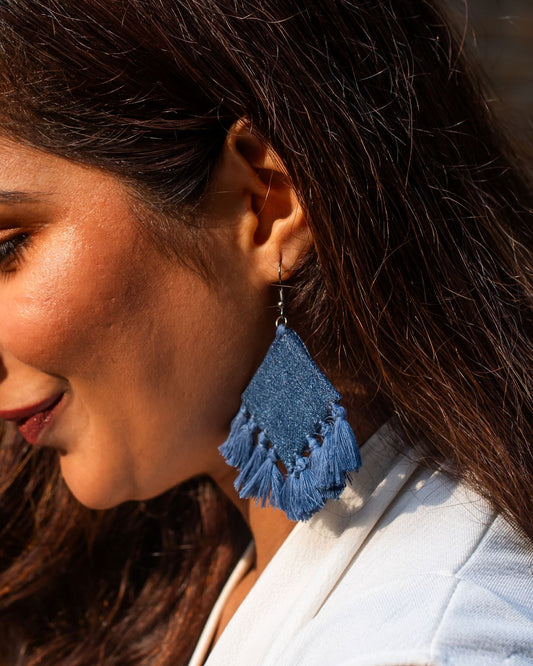
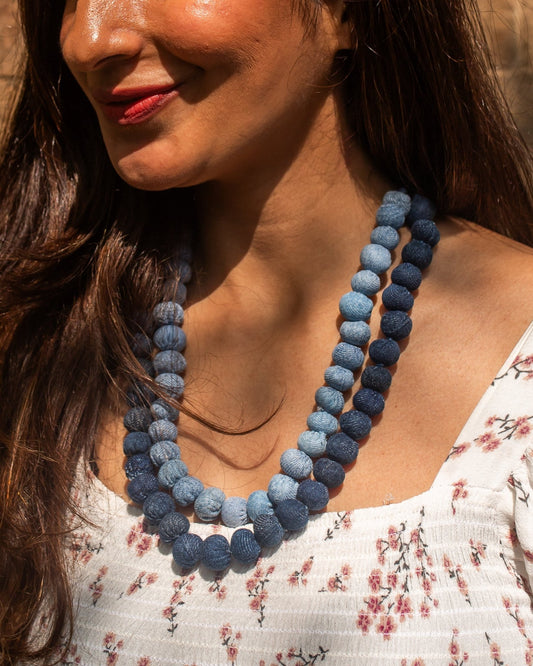
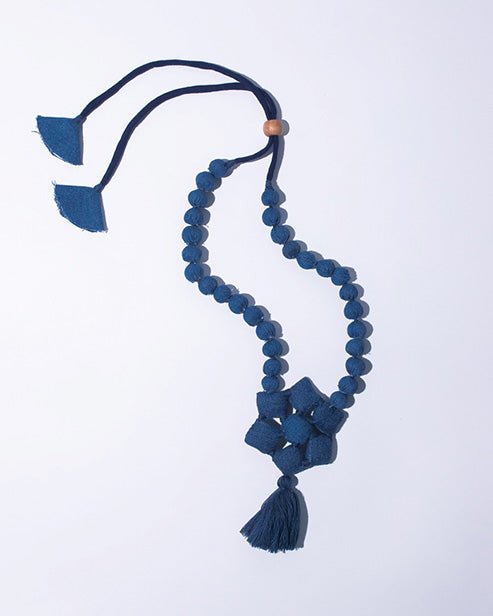
Enter upcycled denim, the movement that takes waste and creates wonder and the past and makes it new. By giving discarded jeans a second life, upcycling helps reduce denim waste while promoting a more circular approach to fashion.
The Denim Industry’s Silent Crisis
Denim is more than a fashion favorite; it’s a resource-intensive commodity with a dark environmental track record:
- 10,000 liters of water are required to produce a single pair of jeans, about the same amount that a person drinks in 10 years.
- Dyeing and processing uses toxic chemicals, contaminating waterways and destroying ecosystems. These resource-intensive processes significantly increase the environmental impact of denim across its entire production lifecycle.
- Fast fashion predominates and creates overproduction, and discarded denim contributes to growing denim waste mountains that take 200 years to decompose, emitting methane, which is a potent greenhouse gas.
- This crisis is still largely ignored in the public consciousness, however, because denim is “too essential to question”. Raising awareness about denim waste is essential to encouraging more responsible production and consumption habits. But to ignore it carries a price we can no longer pay.
Upcycled Denim: A Movement, Not a Trend
Upcycling takes raw materials which otherwise will be pollution and works it into something getting high value. It’s not recycling, which tends to be a downcycling process; it’s creative transformation, a way to give new life to old fabric and save natural resources while avoiding denim waste, waste, and pollution.
From hand-sewn jackets to patchwork rugs to even acoustic panels, upcycled denim is transforming industries well beyond fashion.
The Hidden Impact of Upcycled Denim
The magic of upcycling is creating change where it’s most unexpected. Here’s why that is more powerful than you think:
Water Conservation
Each kilo of upcycled denim saves 200 gallons of water. That would be enough to give 2,400 people drinking water for a day. Saving water through upcycling directly helps reduce the environmental impact of denim compared to manufacturing new fabric.
Carbon Footprint Reduction
You save 6kg of CO₂ emissions, the equivalent of driving a car for 20 miles or powering your house for 8 hours by upcycling just one pair of jeans!
Economic Empowerment
Upcycling helps local artisans, marginalized communities and small businesses. At the same time, it diverts denim waste from landfills while creating new economic opportunities. For example, a brand hires disabled workers to upcycle denim scraps into household goods, providing inclusive job opportunities and helping to address waste.
Pollution-Free Innovation
Waste mismanagement releases microplastics and chemicals into ecosystems. Upcycling bypasses this can surely offers a sustainable and cleaner environment with les pollutants. By minimizing pollution and reducing dependence on virgin materials, upcycling helps lower the overall environmental impact of denim.
Stories You’ve Never Heard About Upcycled Denim
Upcycled denim is more than a sustainable fix, it’s an undocumented revolution, and some of the uses are downright surprising:
Building Homes:
Companies are transforming shredded denim into thermal insulation that makes green homes more economical to heat and cool, while reducing building waste. These innovations demonstrate how denim waste can become a valuable resource beyond the fashion industry.
Luxury Accessories:
His high-end brand, creates bespoke designer jeans from scraps, showing us that there is no schadenfreude with upcycled fashion; it can be just as couture in quality and appeal.
Industrial Innovation:
These noise-canceling panels for offices and recording studios, made with denim scraps, provide stylish, sustainable alternatives to traditional foam insulation.
Art Installations with a Purpose:
There are even visionary artists like Ian Berry, who creates elaborate pieces from nothing but denim, expressing the power and the waste,of this material through striking art.
Why Upcycled Denim Matters Now More Than Ever
The fast fashion industry creates 100 billion garments each year, most of which are thrown away within a year. Denim, once a hardy workhorse, has become a wear-one-season-and-done. Upcycling denim calls out the denim waste cycle and argues for a circular economy in which waste becomes an opportunity. This circular approach is one of the most effective ways to reduce the environmental impact of denim while extending the life of existing materials.
Brands taking the lead: Brands like Mud Jeans have launched denim leasing programs to promote the return of worn denim where the jeans are either upcycled or recycled.
Consumers making a difference Individuals become part of the solution rather than the problem by choosing upcycled products or DIY-ing old jeans.
Your Role in the Denim Revolution
Here are some ways that you can contribute to this movement:
Rethink Denim Waste: Old jeans, instead of just throwing them in the trash, give them up to upcycling initiatives or create something else.
Support Sustainable Brands : Only buy from brands that are upcycling and process transparent
Spread the word- Discuss about the environmental concerns denim production causes and how upcycling has the potential to counter that. Encouraging others to reduce denim waste can inspire more people to embrace sustainable fashion practices.
Reimagining the Future of Denim
Upcycled denim is more than just responsible; it’s a movement of resilience and creativity. It reminds us that even the most despised material can have purpose and value. As consumers we do have the power to demand better, from ourselves, from brands, from industries.
Transforming waste into wonder isn’t only a matter of conserving resources: It’s a question of redefining how we value them in the first place. Denim waste sounds like it’s at the end of the line, but with upcycling, it’s just the start.
So next time you are thinking about throwing out an old pair of jeans, ask yourself: What could they become? Understanding the environmental impact of denim reminds us that every decision to reuse, repair, or upcycle contributes to a more sustainable future. Let’s make trash a wonder!