
Choosing the right bag today is no longer just about style, it’s about durability, functionality, and environmental impact. As more consumers shift toward conscious buying, materials like denim, jute, and canvas have become some of the most preferred choices for sustainable bags.
At dwij, we believe materials matter. Every fabric carries its own story, footprint, and potential for a second life. As a brand rooted in circular design and upcycled products, we understand how choosing the right material can shape both your lifestyle and your environmental impact.
If you’re looking to buy upcycled products or simply understand which bag material fits your needs best, this complete guide will help you compare denim, jute, and canvas.
Why Material Choice Matters in Sustainable Bags
A bag is something you use repeatedly.
That means the material needs to:
-
Last long
-
Carry weight well
-
Be easy to maintain
-
Match your lifestyle
-
Have lower environmental impact
At dwij, sustainability starts with mindful material selection.
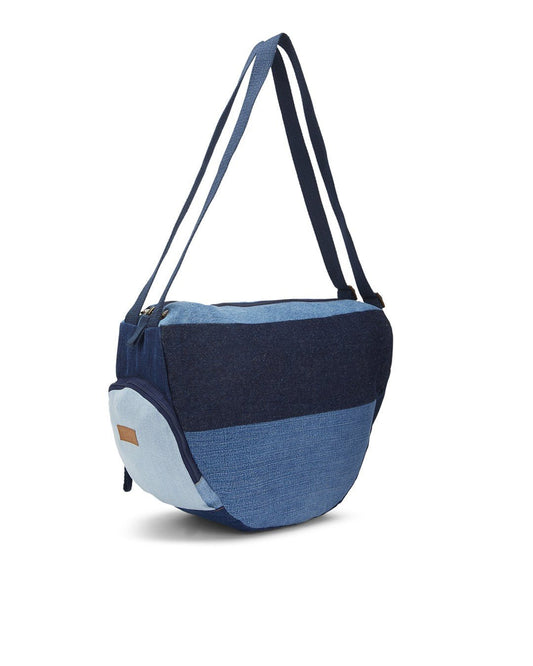
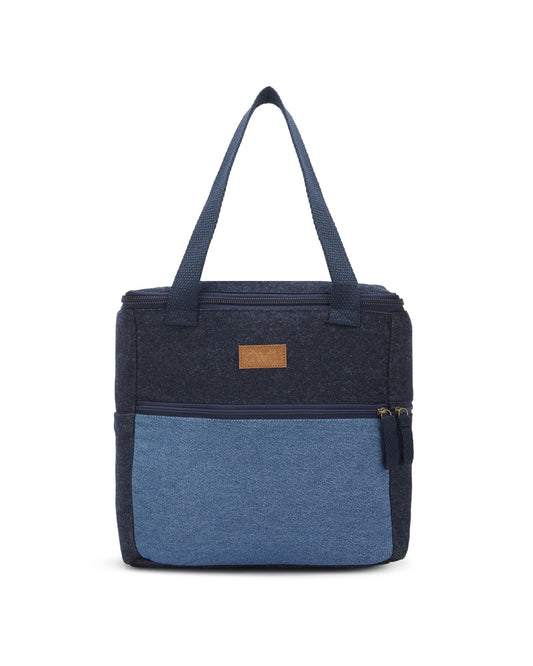
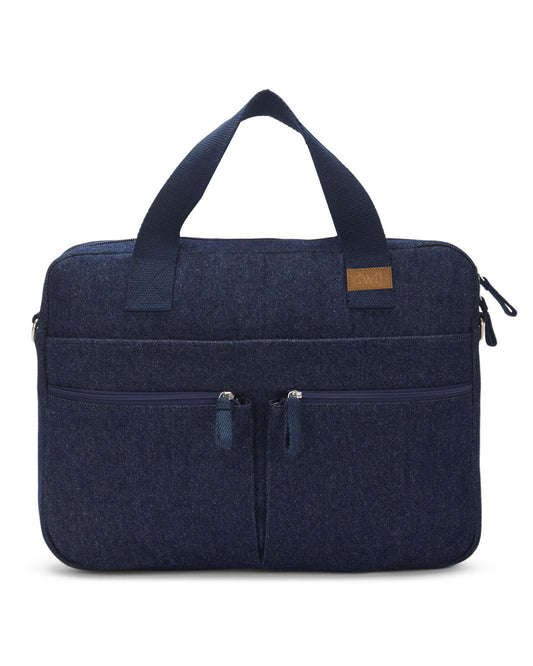
That’s why we work with post-consumer jeans, post-industrial denim waste, and recycled fabrics to create durable upcycled denim products and accessories.
But how does denim compare with jute and canvas?
Let’s break it down.
Denim Bags: The Durable Fashion Staple
Denim is one of the most recognized fabrics in the world.

Made from a sturdy cotton twill weave, denim is known for:
-
Strength
-
Flexibility
-
Distinct diagonal ribbing
-
Natural fading character
At dwij, denim is our core material because it perfectly aligns with our belief that waste can become wonder.
Through upcycling, discarded jeans become long-lasting upcycled accessories designed for modern life.
Best for:
-
Everyday fashion
-
Travel
-
Office use
-
Casual outings
-
Utility bags
Key Benefits of Denim Bags
Exceptional durability
Denim was originally designed as workwear fabric.

That means it can easily carry:
-
Books
-
Laptops
-
Daily essentials
-
Travel accessories
This makes it one of the strongest options for upcycled denim accessories.
Gets better with age
Like your favourite jeans, denim softens over time and develops unique fading patterns.
At dwij, we preserve this authentic wear rather than using chemical washes.
No two products look the same.
That’s the beauty of upcycling.
Strong sustainability potential
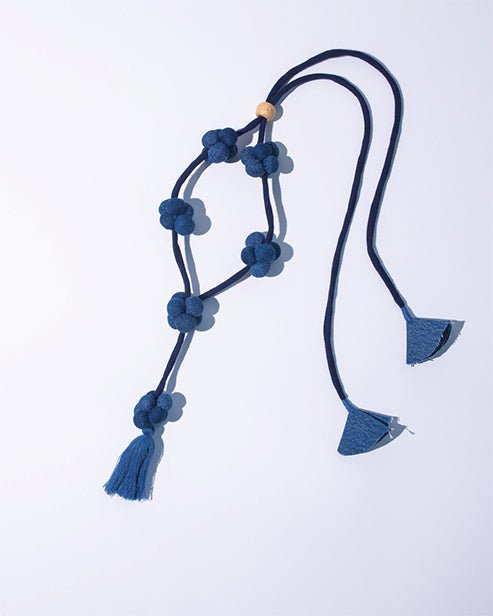
Denim is one of the best materials for upcycled products because old jeans can be repurposed into bags, pouches, jewellery, and home accessories.
This extends the life of existing fabric and reduces landfill waste.

Things to consider
-
Denim may bleed colour when wet
-
Dark indigo dyes may transfer initially
-
Requires cold-water care
Care tips
-
Hand wash or machine wash inside out
-
Use cold water
-
Air dry only
This helps maintain the structure and prevent shrinkage.
Jute Bags: The Eco-Friendly Heavyweight
Jute is one of the most naturally sustainable fibres.
Grown mainly in India and Bangladesh, jute is biodegradable, compostable, and requires significantly less water than cotton.
Its earthy texture gives it a raw, rustic aesthetic.
For brands focused on natural material sourcing, jute is a strong option.
Best for:
-
Grocery shopping
-
Beach bags
-
Bulk carrying
-
Corporate giveaways
-
Eco campaigns
Key Benefits of Jute Bags
Highly biodegradable
Jute decomposes naturally and quickly.
This makes it one of the most environmentally friendly bag materials available.
Strong for rigid loads
Jute has excellent rigidity.
It works well for:
-
Grocery loads
-
Bottles
-
Heavy packaged goods
Lower farming impact
Compared to conventional cotton, jute uses fewer pesticides and less water.
This lowers its farming footprint.
Things to consider
-
Rough texture
-
Less flexible than denim
-
Difficult to wash
-
Can weaken with repeated water exposure
Care tips
-
Spot clean only
-
Avoid soaking
-
Air dry thoroughly
Canvas Bags: The Versatile Everyday Performer
Canvas is often called the gold standard for tote bags.
It’s a plain-woven, heavy-duty fabric usually made from cotton or cotton blends.
Canvas is known for structure, simplicity, and adaptability.
It’s widely used for custom branding and utility bags.
Best for:
-
Everyday carry
-
Beach bags
-
Custom printing
-
Outdoor gear
-
Shopping totes
Key Benefits of Canvas Bags
Extremely strong
Canvas handles weight very well and holds shape effectively.
Unlike denim, it stretches less.
This makes it ideal for rigid designs.
Great for customization
Its smooth surface makes it perfect for:
-
Screen printing
-
Branding
-
Painting
-
Craft projects
Reliable and practical
Canvas bags are easy to use across different lifestyles.
They work for both minimal and utility-focused needs.
Things to consider
-
Can feel stiff initially
-
May shrink if heat-dried
-
Heavier than lighter fabrics
Care tips
-
Spot clean small stains
-
Hand wash in cold water
-
Air dry to maintain shape
Denim vs Jute vs Canvas: Which One Should You Choose?
Denim
Best for:
-
Style + durability
-
Fashion-forward everyday use
-
Upcycling
Choose denim if you want:
-
Character
-
Longevity
-
Unique textures
-
Sustainable upcycled denim products
At dwij, this is our strongest recommendation for conscious fashion.
Jute
Best for:
-
Grocery use
-
Heavy shopping
-
Natural aesthetic
-
Compostable needs
Choose jute if your focus is biodegradability and utility.
Canvas
Best for:
-
Structured totes
-
Branding
-
Multi-purpose use
-
Simplicity
Choose canvas if you want versatility and clean structure.
Why Upcycled Denim Stands Out
At dwij, we believe the future of fashion lies in circularity.
Every year, India generates around 7,800 kilotonnes of textile waste.

Much of it ends up in landfills.
That’s why we transform post-consumer jeans into upcycled products that are functional, long-lasting, and low-waste.
Our process includes:
-
Industrially pre-washing all materials for hygiene
-
Carefully selecting every usable fabric panel
-
Tailor-making each piece
-
Avoiding chemical washes
-
Designing for disassembly
This ensures every product has the possibility of entering another life cycle in the future.
That’s true sustainability.
Not just using eco-materials but designing with the end in mind.
Final Thoughts
Denim, jute, and canvas each offer unique strengths.
The best choice depends on your lifestyle.
But if you’re looking for something that combines:
-
Style
-
Strength
-
Longevity
-
Storytelling
-
Circularity
Denim stands out especially when it’s upcycled.
At dwij, we believe old materials deserve new purpose.
 That’s why we create upcycled denim accessories and products designed to carry not just your essentials, but your values too.
Because sustainability isn’t about perfection.
It’s about better choices.
Frequently Asked Questions (FAQs)
1. Which material is most sustainable for bags?
Jute is naturally biodegradable, but upcycled denim products are highly sustainable because they extend the life of existing materials and reduce textile waste.
2. Are denim bags better than canvas bags?
A denim bag offers more character and flexibility, while canvas provides a cleaner structure. Both are durable, but denim ages more uniquely over time.
3. Can I wash jute bags?
Jute bags should only be spot-cleaned because soaking can weaken the natural fibres.
4. Why are upcycled denim accessories popular?
Upcycled denim accessories combine sustainability, durability, and uniqueness. Each piece carries natural textures and stories from its previous life.
5. Is canvas stronger than denim?
Canvas holds rigid shapes better, but denim offers more flexibility and softens beautifully with use.
6. Where can I buy upcycled products made from denim?
You can buy upcycled products like bags, totes, pouches, and accessories from brands like dwij that focus on circular design and sustainable craftsmanship.