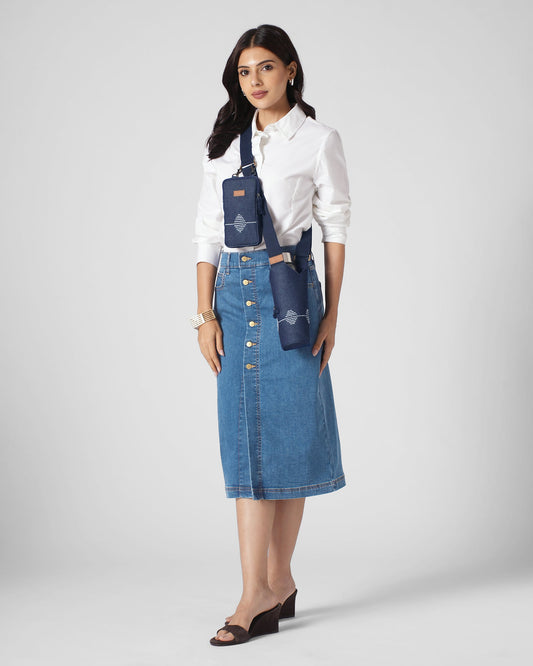
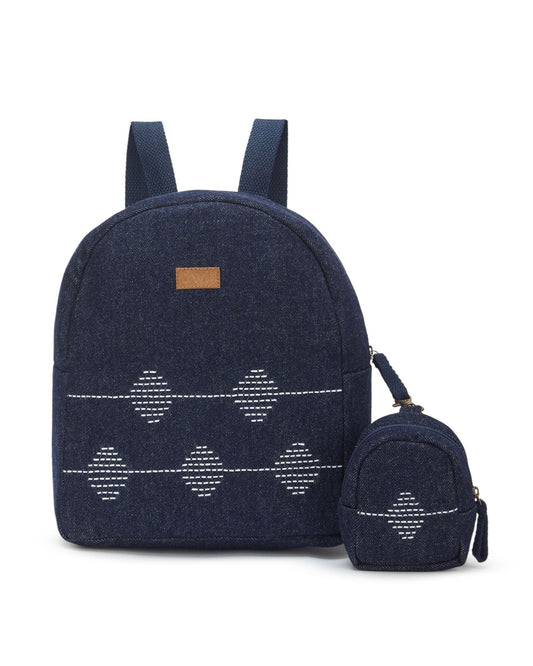
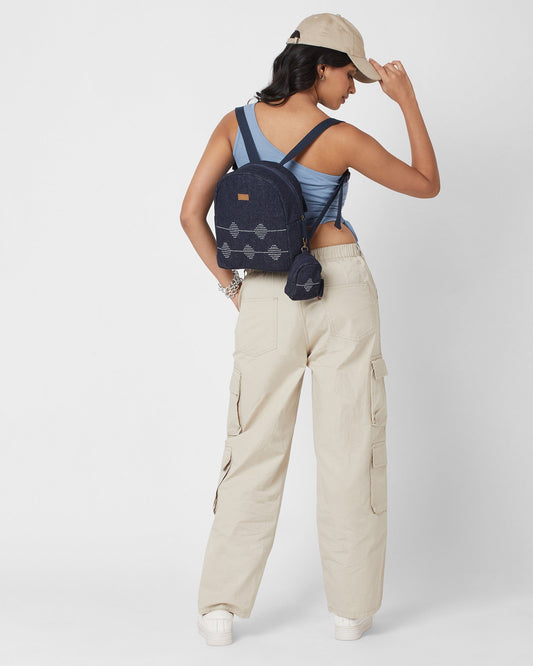
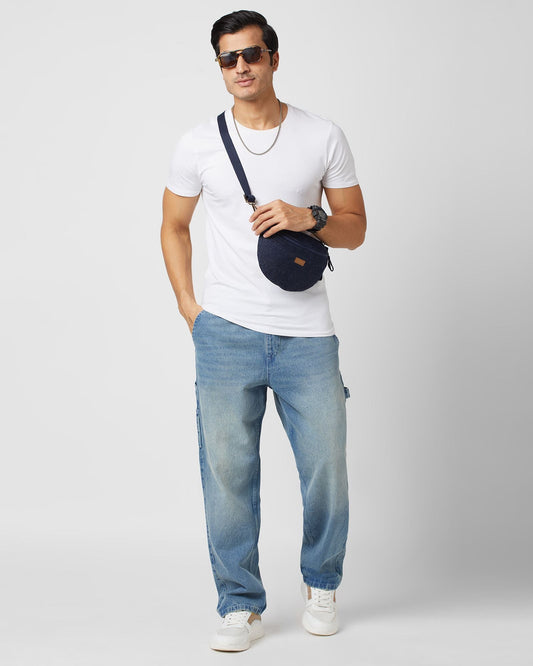
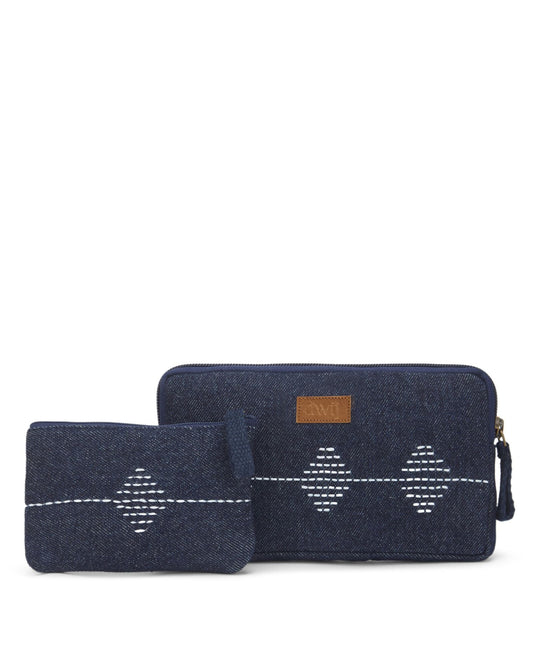
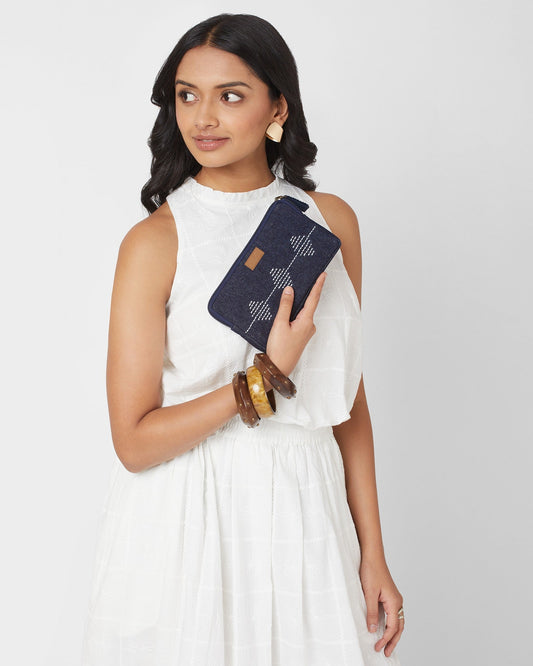
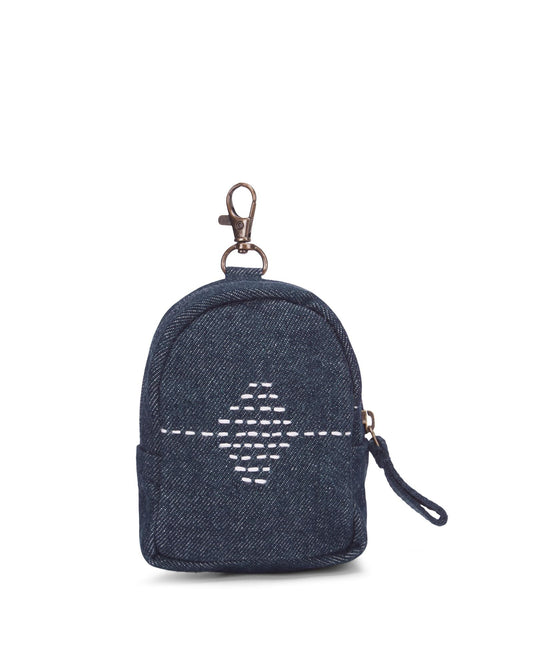
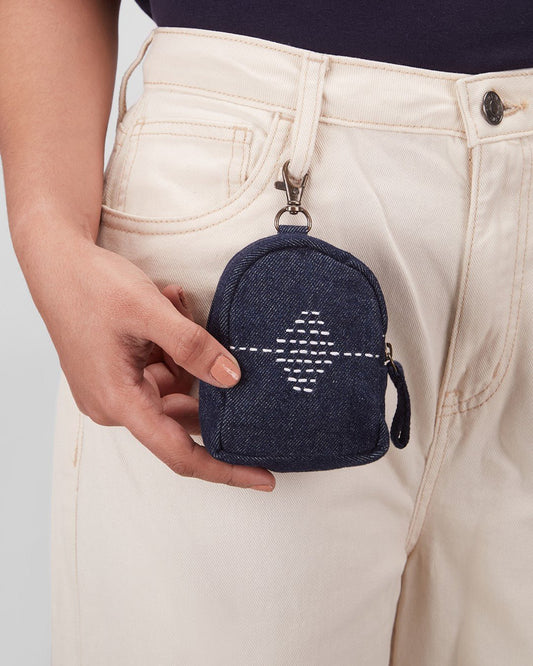
Shop Sustainable Bags Made from Industrial Denim Factory Leftovers
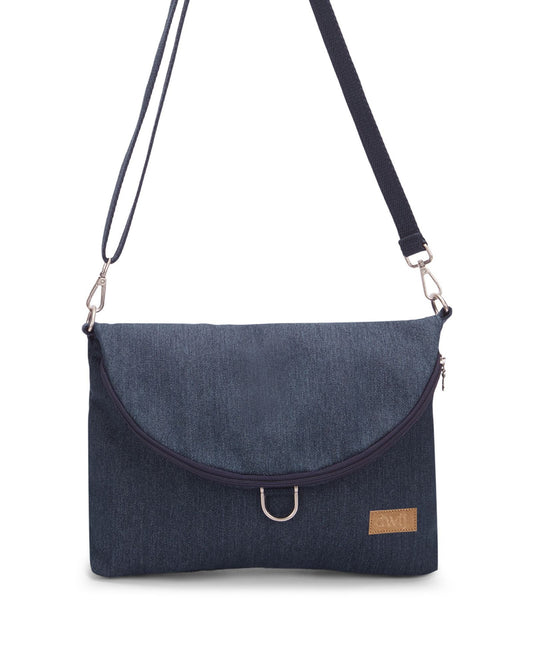
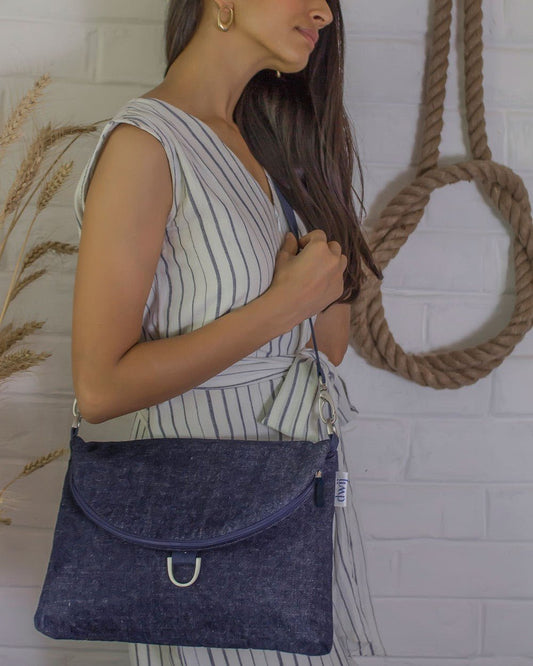
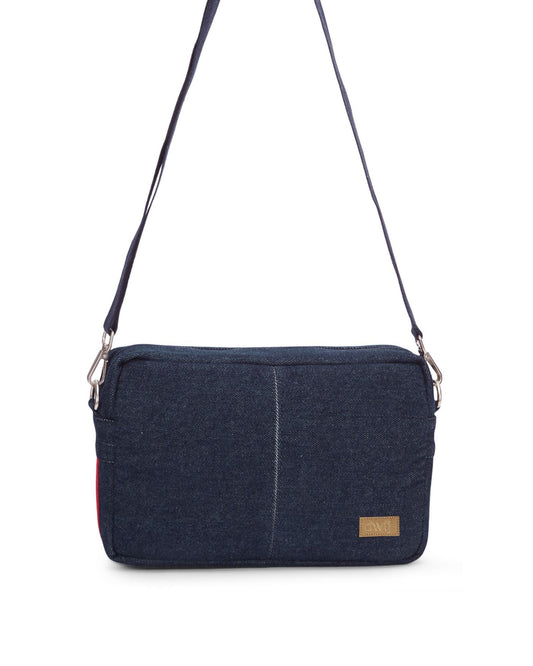
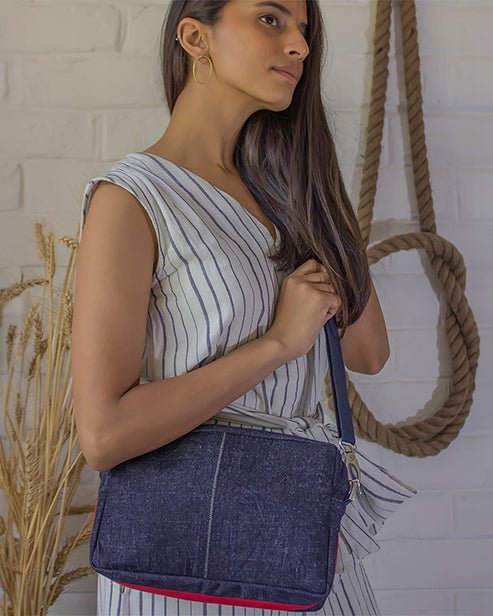
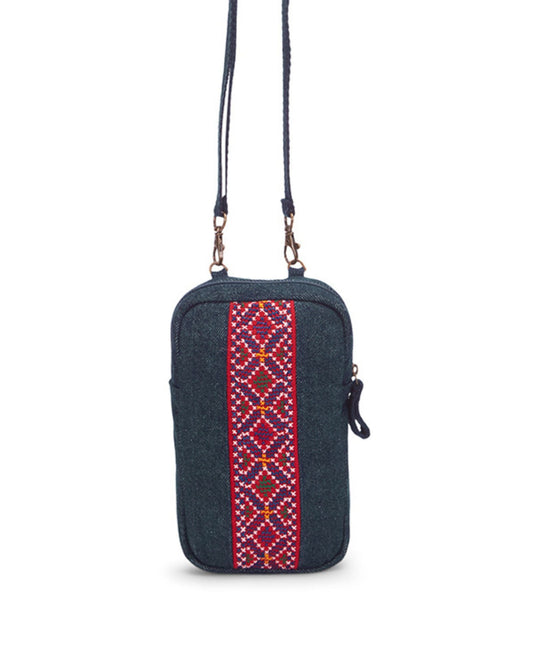
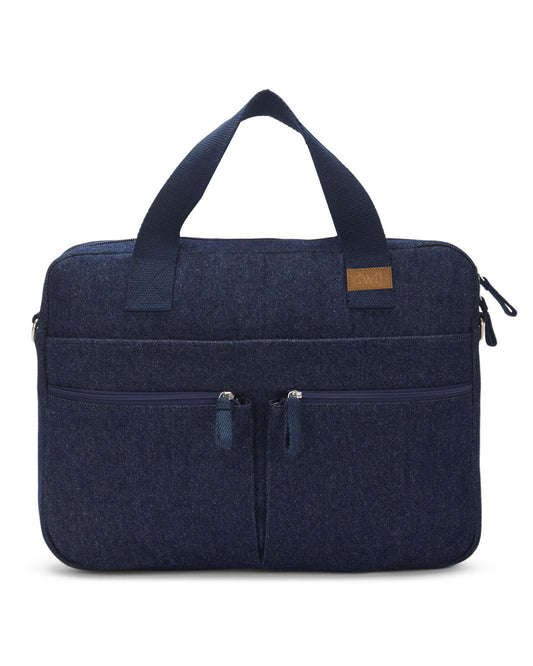
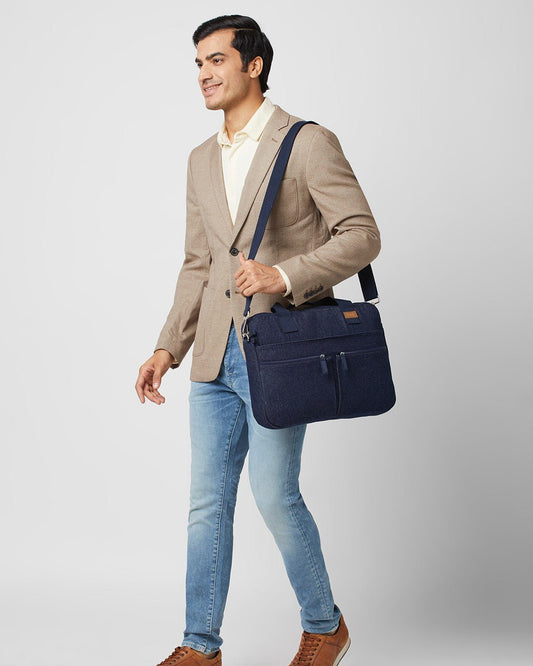
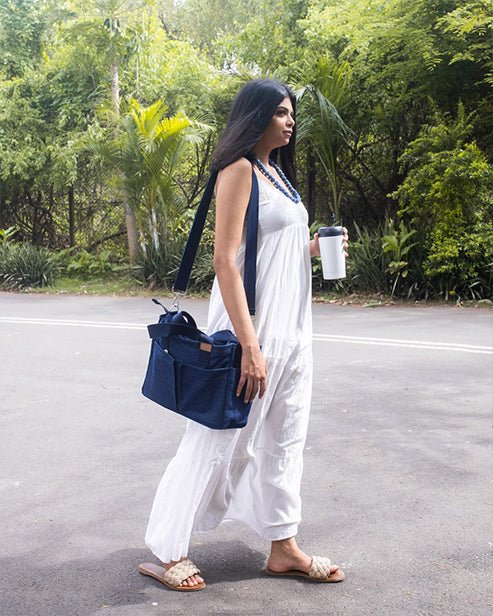
Explore a unique range of post-industrial denim bags and accessories crafted from factory leftover materials. At Dwij, we transform unused industrial denim into eco-friendly, durable, and stylish everyday essentials—helping reduce textile waste while delivering premium quality products.
If you're looking for sustainable denim bags, upcycled denim accessories, or eco-conscious fashion, this collection offers the perfect balance of style, utility, and responsibility.
What is Post-Industrial Denim?
Post-industrial denim refers to discarded or surplus denim fabric generated during the manufacturing process, including factory rejects with minor defects. Unlike post-consumer jeans, which are used and washed garments, these materials are unused before production. We hygienically wash all post-industrial denims and pre-consumer jeans before using them in our production process, helping create high-quality sustainable products while reducing textile waste.
Why Choose Post-Industrial Denim Bags & Accessories?
1. Sustainable & Eco-Friendly
Our products are made from industrial denim factory leftovers, reducing landfill waste and supporting circular fashion.
2. Durable & Long-Lasting
Denim used in manufacturing is strong and resilient, making our denim bags and accessories suitable for everyday use.
3. Unique & Limited Pieces
Each product may vary slightly due to leftover fabric sourcing, giving you one-of-a-kind sustainable accessories.
4. Reduced Environmental Impact
By reusing existing materials, we minimize water consumption, energy use, and carbon footprint associated with new production.
Explore Our Collection
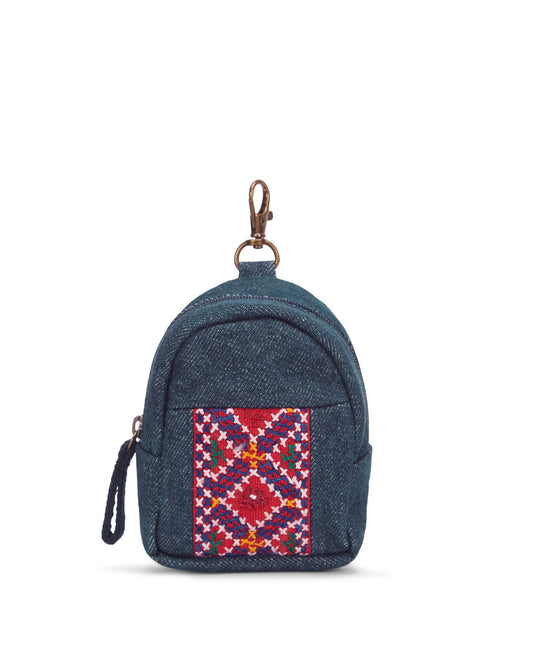
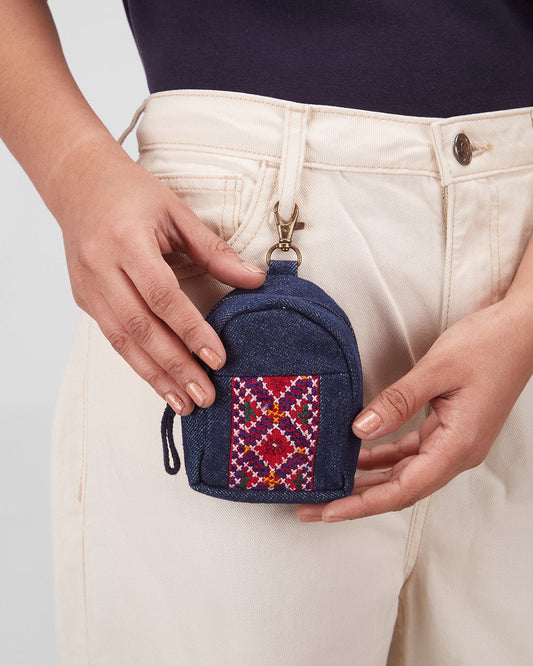
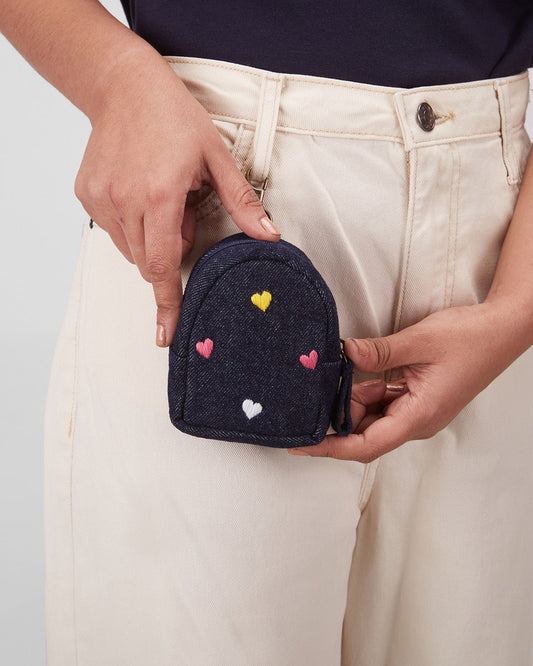
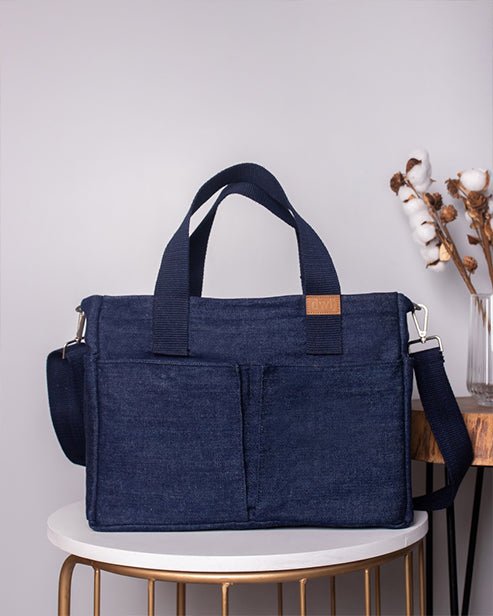
Discover a wide range of eco-friendly denim accessories, including:
- Denim tote bags for work, shopping, and travel
- Sling bags for daily convenience
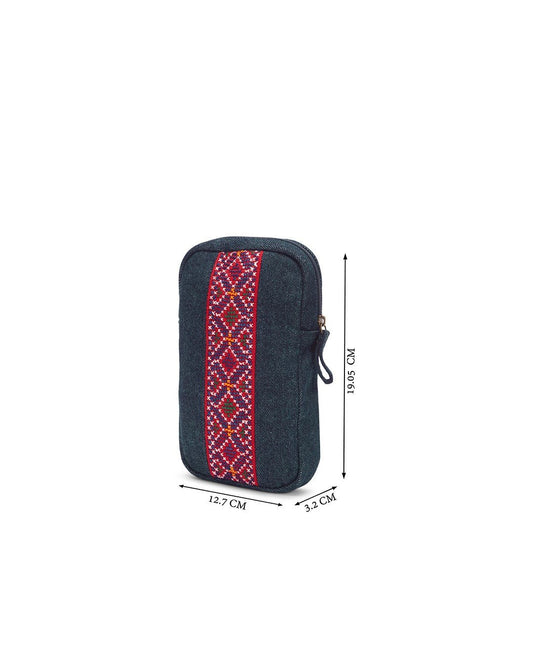
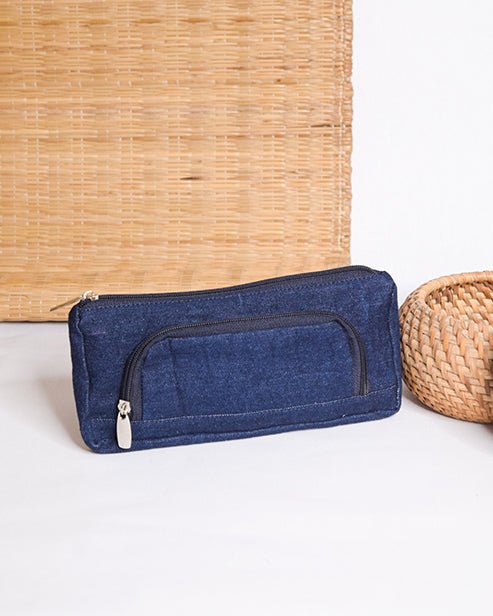
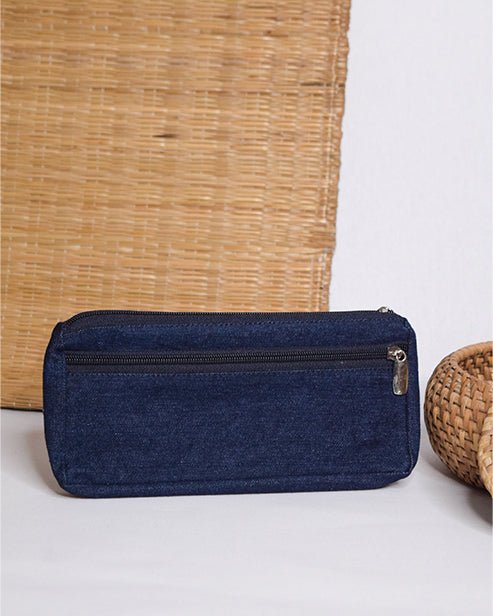
- Utility pouches for organization
- Upcycled denim accessories designed for functionality and style
All products are designed to meet modern lifestyle needs while promoting sustainable fashion choices.
Who Should Buy These Products?
This collection is ideal for:
- Shoppers searching for sustainable bags online
- Buyers interested in upcycled denim products
- Individuals looking for durable everyday accessories
- Eco-conscious consumers aiming to reduce environmental impact
Benefits of Choosing Factory Leftover Products
- Supports zero-waste fashion practices
- Reduces dependency on virgin raw materials
- Promotes ethical and responsible consumption
- Offers high-quality products at sustainable value
Shop Eco-Friendly Denim Bags Online at Dwij
Upgrade your everyday essentials with post-industrial denim bags and accessories that combine sustainability, durability, and timeless style. At Dwij, every product reflects a commitment to conscious living and responsible fashion.