
Diwali is one of the busiest and most exciting seasons for gifting. For a brand like dwij, it also means preparing carefully so that increased demand never comes at the cost of craftsmanship, quality, or our low-waste approach.
So, how does dwij prepare for Diwali orders?
We don't simply try to make more products faster. We prepare our materials, organise production, plan fulfilment, check every product, and make sure our festive orders can move smoothly from the workshop to customers and corporate gifting teams.
Here's a behind-the-scenes look at how we approach the festival rush at the dwij workshop.
Why Diwali Is Special at Dwij
Diwali gifting is about more than exchanging objects.

People are looking for gifts that feel:
-
Thoughtful
-
Useful
-
Personal
-
Well-made
-
Different from disposable corporate merchandise
-
Aligned with conscious consumption
That makes Diwali particularly meaningful for us at dwij.
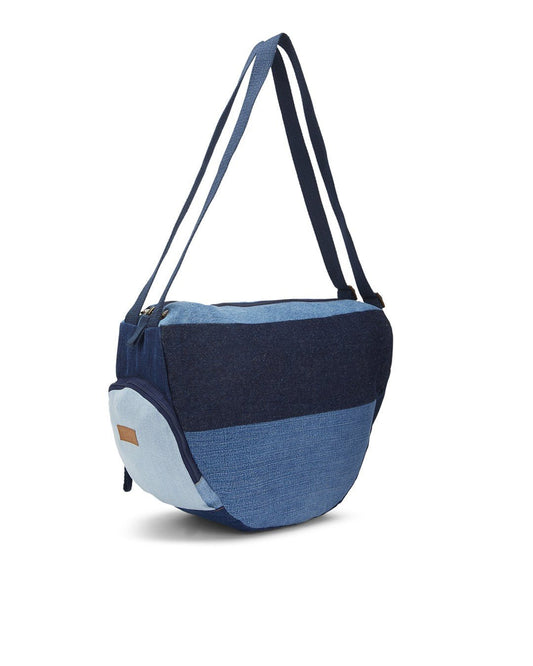
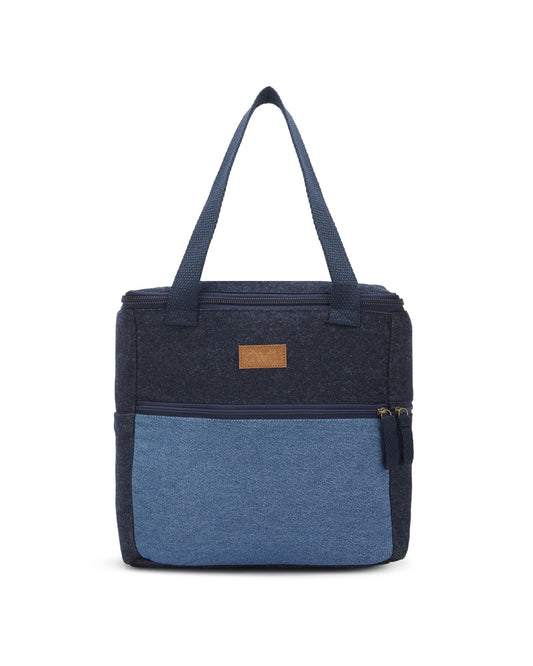
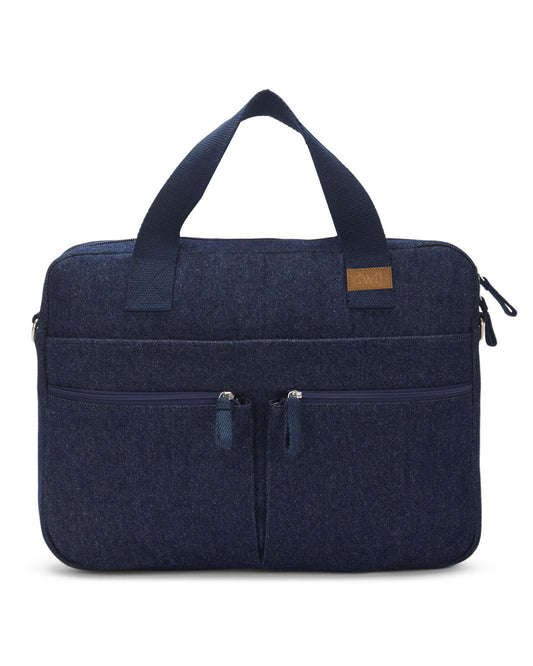
Our upcycled denim bags, pouches, bottle holders, laptop sleeves, home accessories, and denim earrings can become practical gifts that recipients can continue using long after the festive season.
For corporate buyers, this also creates an opportunity to choose gifts that tell a story: a discarded textile transformed into something useful and designed for a second life.
1. We Start With Material Planning
Our products begin with rescued materials rather than conventional rolls of newly manufactured fabric.

We work primarily with:
-
Post-consumer jeans
-
Post-industrial denim waste
-
Denim scraps
-
Recycled PET felt for selected products
-
Components such as zippers and metal fittings
Before a busy gifting season, understanding the available material becomes particularly important.
Upcycled denim isn't uniform.
One batch may have deeper indigo shades, another may contain lighter natural fades, and individual jeans can have different textures, thicknesses, seams and usable areas.
So, preparing for Diwali doesn't mean simply ordering a fixed quantity of identical fabric.
We plan around the material we have and design production accordingly.
2. Sorting and Organising Keep the Workshop Moving
Once the materials required for upcoming orders are identified, organisation becomes essential.

Different denim pieces may need to be grouped according to characteristics such as:
-
Shade
-
Fabric weight
-
Usable surface area
-
Existing seams
-
Pockets
-
Condition
-
Intended product
This makes it easier for the team to find the right material when production begins.
It also helps us make better use of the denim available rather than unnecessarily cutting into larger pieces when smaller pieces could work.
This is an important part of our low-waste approach.
3. We Prepare the Workshop, Not a Factory Production Line
A festive rush can create pressure to work like a conventional mass-production facility.
That's not how we approach our products.

At dwij, upcycled denim requires individual attention because the raw material itself varies.
A single pair of jeans may have areas that are perfect for a large panel, while another section may be better suited for a pocket, patchwork detail or smaller accessory.
Our preparation therefore focuses on creating an organised workflow while retaining the craftsmanship that makes our products unique.
The objective is:
Better organisation, not mindless mass production.
4. Production Planning for Different Products
Diwali orders can include several different kinds of products.

Depending on the order, we may prepare:
Each product has different construction requirements.
For example, a tote requires careful attention to handle attachment and load-bearing areas, while a pouch requires precise cutting and compact construction.
Planning these workflows in advance helps prevent unnecessary interruptions during the festive season.
5. Handcrafted Details Need Their Own Planning
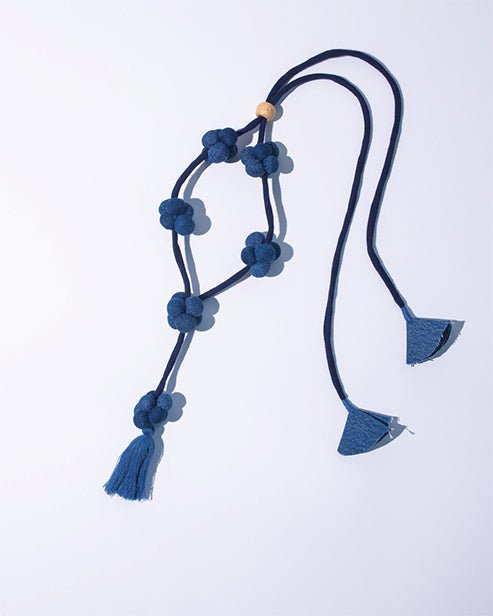
Some of our festive products include handmade embroidery and textile details.

Our collections have incorporated techniques such as:
These details cannot simply be treated as another step on a fast assembly line.
Hand embroidery requires time, attention and skilled craftsmanship.
Planning ahead allows us to accommodate these techniques without compromising the quality of the finished product.
That's particularly important when a festive order includes a large number of handcrafted pieces.
6. Low-Waste Production Continues During the Rush
One of the biggest challenges during a festival rush is maintaining sustainability while increasing production.
For us, that means not treating scraps as automatically disposable.

Smaller pieces of denim can potentially be used for:
-
Patchwork
-
Small accessories
-
Decorative details
-
Smaller panels
-
Other products
Our goal is to use the available material as efficiently as possible.
This matters because the sustainability of an upcycled product isn't only about the material it starts with. It's also about what happens to the material left over during production.
7. Quality Checks Become Even More Important
More orders mean more products moving through the workshop.
That makes quality control particularly important.

Before a product is packed, we check details such as:
-
Stitching
-
Seams
-
Handles and straps
-
Zippers
-
Hardware
-
Lining
-
Embroidery, where applicable
-
Overall finishing
For products made from upcycled denim, we also look at the way individual material characteristics have been incorporated into the finished product.
The goal is simple:
Festive demand should never mean lower standards.
8. Our Hardware Is Chosen for Everyday Use
A beautiful gift becomes far more valuable when the recipient can actually use it.
That's why components matter.

Depending on the product, dwij uses:
-
Premium-quality YKK Japanese zippers and sliders
-
Rust-free, non-corrosive white metal fittings
-
Recycled PET felt in selected designs
These details contribute to functionality, durability and the overall life of the product.
For us, sustainability is closely connected to longevity.
9. Packaging Is Part of the Gifting Experience
A corporate or festive gift has two journeys.
The first is its journey through the workshop.

The second is the moment it reaches the recipient.
Packaging therefore needs to protect the product while presenting it appropriately as a gift.
For bulk Diwali orders, this means planning:
-
Product grouping
-
Individual packaging
-
Gift requirements
-
Message cards, where applicable
-
Outer packaging
-
Dispatch quantities
-
Delivery coordination
We also try to keep packaging thoughtful rather than excessive because low-waste thinking should extend beyond the product itself.
10. Corporate Orders Require Extra Coordination
Diwali is also an important period for corporate gifting.
A corporate bulk order may involve dozens or hundreds of products, sometimes with specific delivery deadlines.

The preparation therefore starts well before the final dispatch.
We need to coordinate:
Order requirements → product selection → material availability → production → quality check → packaging → dispatch
For larger orders, planning helps us balance custom requirements with the realities of handcrafted production.
That's why early communication is particularly helpful for businesses planning their festive gifting.
11. We Set Realistic Production Expectations
One important part of preparing for a festival rush is knowing what can realistically be produced.
Upcycled and handcrafted products cannot always follow the same timelines as factory-made merchandise.

The availability of rescued denim, the number of handcrafted details, product quantity and customisation requirements can all influence production time.
Rather than overpromise, we believe in setting realistic timelines.
This helps protect:
-
Product quality
-
Artisan time
-
Material efficiency
-
Customer expectations
-
The overall workshop workflow
12. Why We Don't Want the Festival Rush to Change Our Philosophy
Diwali can bring a huge increase in demand.

But increased demand shouldn't automatically mean increased waste.
Our philosophy remains the same:
Use what already exists.
Use it thoughtfully.
Make products that last.
Minimise waste.
Design for what comes next.
That means our festive season is not about producing as many things as possible.
It is about creating meaningful products that people can continue using after the lights, celebrations and gifting season are over.
From Workshop to Someone's Everyday Life
The most rewarding part of a Diwali order isn't seeing a stack of finished packages leaving the workshop.
It's imagining where those products go next.

A denim pouch might become someone's everyday organiser.
A tote bag might become their work bag.
A bottle holder might accompany someone on their daily commute.
A pair of denim earrings might become a favourite accessory.
A laptop sleeve might protect someone's computer for years.
That's what makes sustainable gifting meaningful.
The gift doesn't end when Diwali ends.
It becomes part of someone's everyday life.
Why Choose Dwij for Diwali Gifting?
For us, sustainable festive gifting is about bringing together three things:
1. A Material Story
Our products begin with rescued denim and other thoughtfully selected materials.
2. A Human Story
Handcraftsmanship, embroidery and careful production keep skilled hands at the centre of the process.
3. A Use Story
The final product is designed to be useful beyond the occasion for which it was gifted.
Together, these create a gift that is not simply eco-friendly merchandise.
It is a product with a second-life story.
Final Thoughts: Preparing for Diwali, the Dwij Way
Preparing for the Diwali order season is not about rushing through production.
It's about preparing intelligently.
We organise materials, plan production, accommodate handcrafted details, use scraps wherever possible, check every product and coordinate packaging and dispatch carefully.
Most importantly, we try to ensure that the festive rush doesn't compromise what we stand for.
At dwij, every piece of denim has already lived one life.
Our job is to help give it another thoughtfully, beautifully and usefully.
And when that second life becomes a Diwali gift that someone continues to use for years, the celebration lasts a little longer.
Frequently Asked Questions
How does dwij prepare for Diwali orders?
dwij prepares for the festive season by planning material availability, organising rescued denim, scheduling production, coordinating handcrafted details, carrying out quality checks, preparing packaging and planning dispatch according to order requirements.
Does dwij mass-produce products for Diwali?
dwij focuses on organised production while retaining its handcrafted and upcycling-based approach. Because rescued denim varies in shade, texture and usable area, products require individual material planning rather than completely standardised mass production.
What products can be ordered from dwij for Diwali gifting?
Depending on availability and order requirements, festive gifting options can include denim tote bags, convertible tote bags, denim backpacks, laptop sleeves, denim pouches, bottle holders, denim earrings, sling bags and home décor.
Can dwij handle corporate Diwali bulk orders?
Yes. Dwij accepts corporate gifting requirements, with production and fulfillment planned according to quantity, product selection, customisation requirements and delivery timelines. For larger orders, early planning is recommended.
How does dwij maintain its low-waste approach during high-demand periods?
dwij aims to use denim efficiently by incorporating smaller scraps into patchwork, smaller products and other applications wherever possible. The focus remains on maximising the use of available material rather than treating every leftover piece as waste.
Does dwij offer embroidered products for festive gifting?
Yes. Dwij has created collections featuring Kantha hand embroidery, Kutch hand embroidery and Heart hand embroidery. Availability can vary by collection and season.
What materials does dwij use?
Dwij primarily works with post-consumer jeans and post-industrial denim waste. Selected products also use recycled PET felt, along with durable components such as YKK Japanese zippers and rust-free, non-corrosive white metal fittings.
Why should businesses choose upcycled products for Diwali gifting?
Upcycled products combine practical everyday utility with a material story. Instead of giving recipients another disposable or short-lived promotional item, businesses can choose products made from rescued materials that are designed to remain useful long after Diwali.