
When comparing cotton vs canvas bags, the better choice depends on how you plan to use them. Canvas bags are generally better for heavy, durable everyday use, while standard cotton bags are better for lightweight errands, soft flexibility, and easy storage. Canvas is actually a heavier, more tightly woven form of cotton, but its greater fabric weight gives it more structure, strength, and longevity.
At Dwij, we look beyond simply choosing one fabric over another. We believe the most sustainable bag is one that is used repeatedly, made thoughtfully, lasts as long as possible, and eventually has a path toward another life. That is why our approach focuses on upcycling discarded textiles rather than relying only on conventional new materials.
Cotton vs Canvas Bags: What Is the Difference?
The terms cotton and canvas can sometimes be confusing because canvas is commonly made from cotton. The primary difference is the construction and weight of the fabric.
Standard cotton bags are usually made from relatively lightweight cotton fabric. They are soft, flexible, and easy to fold. Canvas bags use a heavier and tighter weave, making them thicker and more resistant to everyday wear.
A useful way to understand the difference is through fabric weight, often measured in GSM (grams per square metre).
|
Feature |
Standard Cotton Bags |
Canvas Bags |
|
Typical fabric weight |
Around 100–180 GSM |
Around 200–350+ GSM |
|
Feel |
Soft and flexible |
Thick and structured |
|
Shape |
Folds easily |
Holds its shape |
|
Strength |
Suitable for light loads |
Suitable for heavier loads |
|
Best for |
Light shopping and casual use |
Groceries, laptops and heavy items |
|
Storage |
Very easy to fold |
Takes more space |
|
Durability |
Moderate |
Generally higher |
These are broad ranges rather than strict rules. The actual performance of a bag also depends on stitching, handles, construction, hardware, and how it is used.
Are Cotton Bags Sustainable?
Cotton bags can be a sustainable alternative to disposable bags when they are reused frequently and kept in service for a long time.
Cotton is a natural fibre, which makes it appealing to people looking for alternatives to synthetic materials. However, sustainability is more complicated than simply choosing a natural fabric.
Conventional cotton production requires agricultural resources, and manufacturing a new cotton bag still involves materials, energy, water, transportation, and processing. Therefore, buying multiple cotton bags and rarely using them does not automatically make a lifestyle more sustainable.
For us at Dwij, this is an important distinction.
Instead of treating sustainability as a matter of simply replacing one newly manufactured material with another, we ask a different question: Can an existing material be given another useful life?
That question sits at the heart of our upcycling philosophy.
Are Canvas Bags More Durable Than Cotton Bags?
Yes, canvas bags are generally more durable than lightweight cotton bags.
The heavier weave provides greater resistance to stretching, abrasion, and everyday wear. This makes canvas particularly useful when a bag regularly carries heavier objects.
For example, a canvas tote can be a practical choice for:
-
Weekly grocery shopping
-
Books and thick notebooks
-
Laptops and work essentials
-
Travel accessories
-
Heavier everyday items
-
Repeated outdoor use
A lightweight cotton bag, meanwhile, works particularly well when portability is more important than load-bearing strength.
You can fold it into a purse, backpack, or drawer and take it out whenever you need an extra bag.
Cotton Bags vs Canvas Bags for Everyday Shopping
For everyday shopping, your choice should depend on the type of shopping you normally do.
If you usually purchase a few lightweight items, a cotton bag can be convenient because it is soft, compact, and easy to carry.
If your shopping involves heavier groceries, bottles, books, or multiple items, a canvas bag is usually the more practical option because it provides more structure and support.
However, fabric weight isn't the only factor that determines whether a bag is sustainable.
Longevity matters.
A bag that stays useful for years and replaces hundreds of disposable bags can make more sense environmentally than repeatedly purchasing inexpensive bags that quickly stretch, tear, or lose their usefulness.
Which Is More Sustainable: Cotton or Canvas?
There isn't a universal winner in the cotton vs canvas bags debate.
If both bags are made from newly produced cotton, canvas generally has an advantage in durability and potential longevity. But sustainability should be evaluated across the entire life of the product not just by fabric type.
At Dwij, we take this one step further through upcycling.
Our products use post-consumer jeans collected through collection drives and second-hand markets, along with post-industrial and pre-consumer denim and fabric scraps. Instead of allowing useful textiles to become waste, we transform them into functional products.
This changes the sustainability equation.
Rather than asking only, "Is cotton better than canvas?", we believe it is worth asking:
"What existing material can we keep in use for longer?"
Why Upcycled Denim Can Be an Alternative to Conventional Fabric Bags
Denim is already a durable textile, which makes discarded jeans particularly interesting from a circular-design perspective.
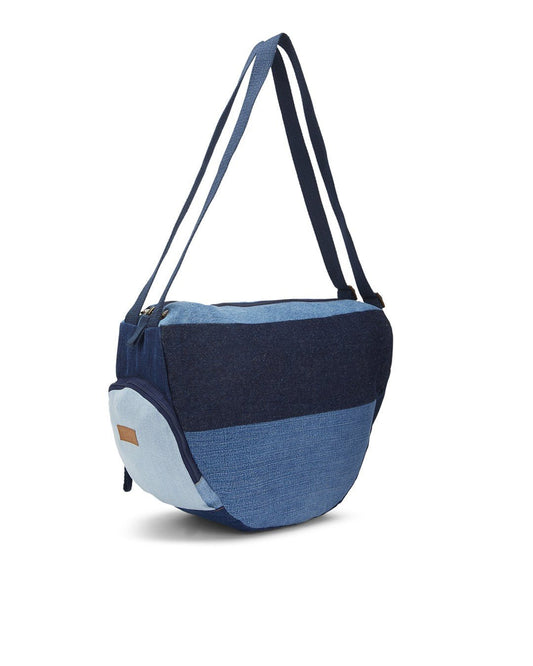
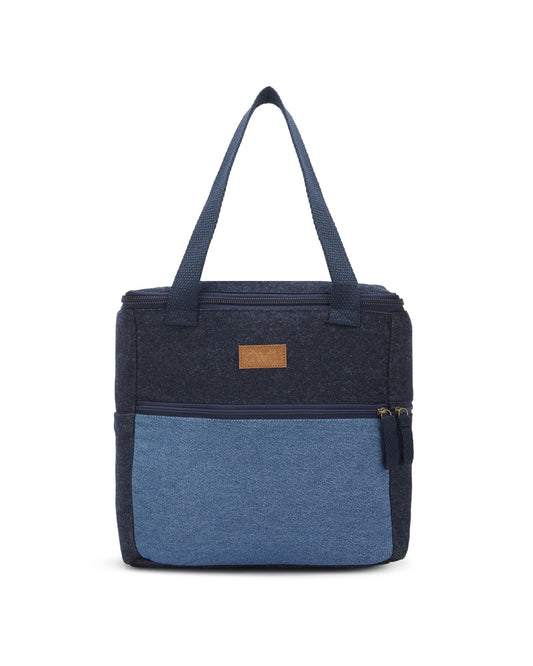
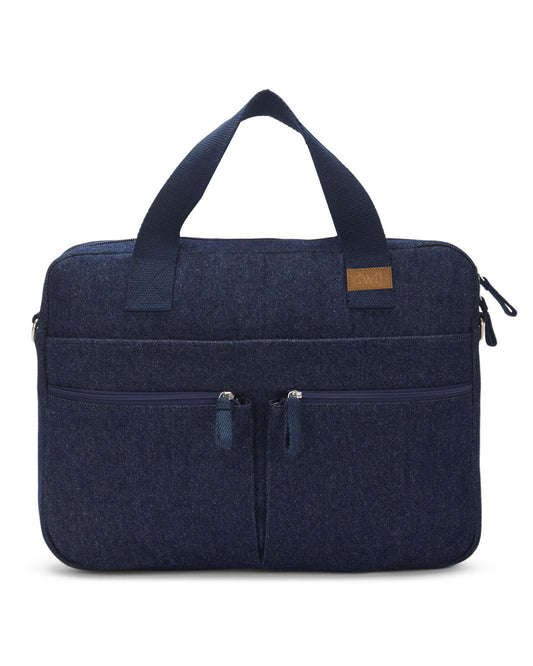
At Dwij, discarded denim gets a second life as bags, totes, pouches, and other utility accessories. Each piece retains elements of its original character, which means no two products are exactly alike.
We also avoid chemical washes and design with disassembly in mind. Our goal is to create products that are not simply attractive today but remain useful for as long as possible.
This is what Dwij—meaning "twice born" in Sanskrit—represents: giving materials another chapter instead of treating them as disposable.
Cotton vs Canvas Bags: Which One Should You Buy?
Choose a cotton bag if you want:
-
A lightweight everyday carry
-
A soft and flexible bag
-
Something that folds into a small space
-
A convenient option for light shopping
-
An easy-to-carry spare bag
Choose a canvas bag if you want:
-
A stronger everyday shopping bag
-
Better support for heavier loads
-
A more structured shape
-
A bag for laptops, books, or groceries
-
Greater durability for frequent use
But if sustainability is your primary concern, consider one more factor: reuse and longevity.
The most responsible bag isn't necessarily the one made from a particular fashionable fabric. It is the bag you actually use repeatedly, take care of, repair when possible, and keep out of the waste stream.
Our Take at Dwij: Choose Longevity Over Labels
The conversation around sustainable fabric bags often becomes a simple comparison between cotton, canvas, recycled materials, and other textiles. We believe the bigger opportunity is changing how we think about consumption itself.
A new bag made from a "sustainable" material is still a new product.
An existing textile transformed into something useful is an opportunity to reduce waste while extending the material's life.
That is why Dwij focuses on "From Waste to Wonder – Upcycled with Purpose."
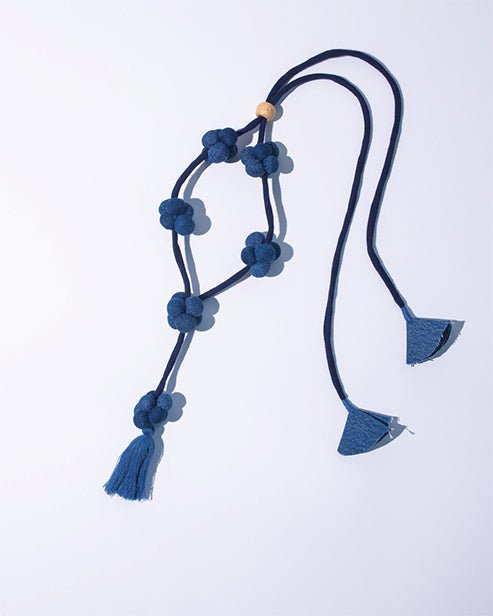
Our bags and utility products are handmade in India using rescued textiles, including discarded denim. We use every scrap wherever possible, support artisan craftsmanship through handmade embroidery, and design products for durability rather than mass production.
For everyday use, canvas is usually the better choice when strength and longevity are your priorities. Lightweight cotton is more suitable when flexibility and portability matter.
But from a circular perspective, choosing a well-made upcycled product—and using it for years—can be an even more meaningful step toward sustainable consumption.
The goal isn't simply to buy a better bag.
It's to make what we already have matter for longer.
FAQs
1. Is canvas better than cotton for bags?
Canvas is generally better when you need a strong, structured, durable bag for heavy everyday use. Lightweight cotton is better for light shopping, casual carrying, and situations where easy folding and portability are important.
2. Are canvas bags more sustainable than cotton bags?
Not necessarily in every situation. Canvas can have an advantage because its durability may allow it to remain useful for longer. However, sustainability also depends on how the material was produced, how often the bag is reused, how long it lasts, and what happens at the end of its life.
3. What is the best fabric for a sustainable everyday bag?
There is no single best fabric for every person. Look for a bag that is durable, reusable, repairable where possible, and suited to your everyday needs. Upcycled textiles can offer another sustainability advantage by giving existing materials a second life instead of relying entirely on newly produced fabric.
4. Are Dwij bags made from upcycled materials?
Yes. Dwij creates handmade products using rescued post-consumer and post-industrial textiles, including discarded denim. Our approach focuses on extending material life, reducing textile waste, and creating durable products through thoughtful, low-waste design.