
When choosing a reusable bag, most people focus on appearance, size, or price. However, the material of the bag plays a significant role in determining its durability, functionality, maintenance, and environmental impact. Among the most popular options today are denim, jute, and canvas bags, each offering unique benefits depending on your lifestyle and sustainability goals.
At Dwij, we believe every product deserves a second life. Through our circular design philosophy, we transform discarded textiles into thoughtfully crafted upcycled products that are both practical and environmentally responsible. If you're trying to decide between denim, jute, and canvas bags, this guide will help you understand the strengths of each material and make a more informed choice.
Fabric Showdown at a Glance
|
Feature |
Denim |
Jute |
Canvas |
|
Material Base |
Cotton Twill Weave |
Natural Plant Fiber |
Cotton Plain Weave |
|
Durability |
High (stretchy & ages well) |
Moderate (tears easily if wet) |
Very High (heavy load capacity) |
|
Aesthetic |
Casual, "jeans" look |
Earthy, rustic |
Smooth, structured, versatile |
|
Maintenance |
Machine-wash friendly |
Spot-clean only |
Machine-wash friendly |
|
Eco-Friendliness |
Moderate |
Very High (100% biodegradable) |
Moderate (sustainable if organic) |
Understanding Denim Bags
Denim has long been associated with durability, comfort, and timeless style. Made from a cotton twill weave, denim is strong enough to withstand daily use while developing a unique character over time.
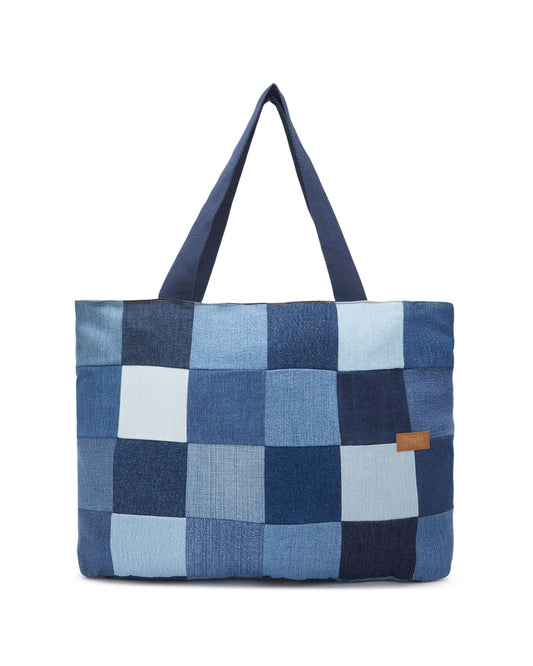
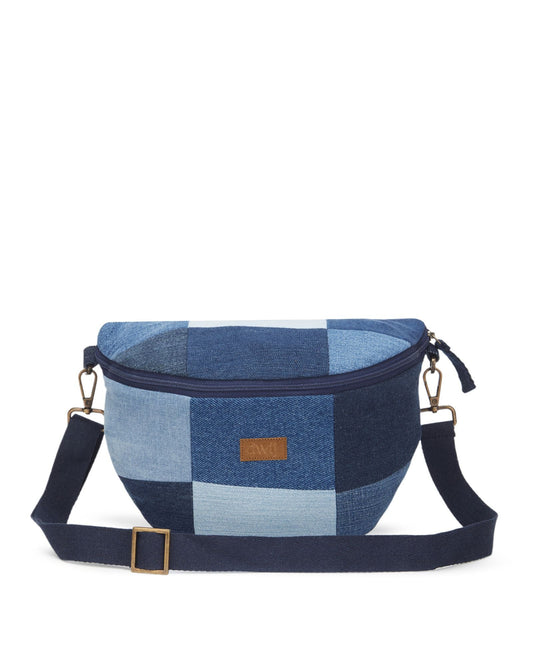
 At Dwij, denim is more than just a fabric, it's an opportunity to reduce textile waste. We rescue post-consumer jeans and industrial denim scraps and transform them into handcrafted upcycled denim products designed for conscious consumers.
One of the biggest advantages of denim bags is their ability to age beautifully. Unlike many synthetic materials that deteriorate with use, denim develops natural fades and textures that make each piece unique. This individuality perfectly aligns with Dwij's belief that no two products should ever be identical.
Why Choose Denim Bags?
-
Stylish and versatile for everyday use
-
Durable enough for regular carrying needs
-
Machine washable and easy to maintain
-
Long-lasting and resistant to wear
-
Ideal for creating unique upcycled denim accessories
If you're looking for a bag that combines fashion, function, and sustainability, denim is an excellent choice.
Understanding Jute Bags
Jute is a natural fiber derived from plants and is often regarded as one of the most eco-friendly materials available. Its rustic appearance and biodegradable nature have made it a popular choice for shopping bags, gift bags, and promotional products.
Jute bags are particularly attractive to environmentally conscious consumers because they are made from renewable resources and naturally decompose at the end of their lifecycle.
Why Choose Jute Bags?
-
100% biodegradable
-
Renewable and natural material
-
Rustic, earthy aesthetic
-
Suitable for groceries and gifting
-
Popular among eco-conscious brands
However, jute requires special care. The fibers can weaken when exposed to moisture, and excessive washing may cause the material to lose its shape. This makes jute best suited for light to moderate use rather than heavy-duty everyday carrying.
Understanding Canvas Bags
Canvas is known for its strength, versatility, and practicality. Made using a plain cotton weave, canvas has become one of the most widely used materials for tote bags, travel bags, and office bags.
Canvas is often considered the workhorse among reusable bags because of its excellent load-bearing capacity and ease of maintenance.
Why Choose Canvas Bags?
-
Very high durability
-
Excellent for carrying heavy items
-
Machine washable
-
Ideal for travel, office, and daily errands
-
Smooth surface for printing and branding
Canvas is particularly useful for people who need a reliable bag for laptops, books, groceries, or commuting. Its structured appearance also makes it suitable for both casual and professional settings.
Key Things to Know Before Choosing
Carry Load & Weight
Your intended use should be the first factor in choosing a bag material.
If you frequently carry laptops, textbooks, groceries, or travel essentials, canvas offers the best strength-to-weight ratio. It can handle heavy loads without compromising durability.
Denim is also highly durable but tends to become heavier as more weight is added. Jute works best for lighter loads and occasional use.
Water Resistance
None of these materials are naturally waterproof.
Canvas generally performs better during light rain and damp conditions. Denim absorbs water more readily and may experience color bleeding if not properly cared for. Jute is the most vulnerable to moisture, as prolonged exposure can weaken its fibers.
If you live in a region with frequent rainfall, this factor may influence your choice.
Care & Cleaning
Maintenance is another important consideration.
Canvas and denim are relatively easy to care for and can typically be machine washed using cold water and air drying.
Jute requires more delicate care and should be spot-cleaned or dry-cleaned when necessary. Washing jute in water can affect its shape and structural integrity.
Printing & Customization
For businesses and brands looking for customization, canvas offers the smoothest surface for detailed printing, embroidery, and branding.
Jute's rough texture works best for bold graphics and simple designs. Denim provides a unique textured appearance that naturally stands out, making it ideal for handcrafted and artisanal products.
Sustainability Beyond the Material
While jute is often praised for being biodegradable, true sustainability extends beyond the raw material itself.
A product's environmental impact depends on how it is sourced, manufactured, used, and disposed of. Longevity and waste reduction are equally important aspects of sustainable consumption.
This is where upcycled products offer a powerful advantage.
At Dwij, we focus on extending the life of existing materials rather than consuming new resources. By transforming discarded denim into premium bags and accessories, we prevent textile waste from ending up in landfills while reducing the demand for virgin materials.
India generates approximately 7,800 kilotonnes of textile waste every year. Through our circular design approach, we help divert usable materials from the waste stream and convert them into products with renewed purpose.
 When consumers buy upcycled products, they actively participate in reducing waste and supporting a more circular economy.
Why Upcycled Denim Bags Are the Future
Fast fashion has created a culture of overconsumption and waste. Millions of garments are discarded every year despite still having usable life left in them.
Upcycled denim products challenge this model by giving discarded textiles a second chance.
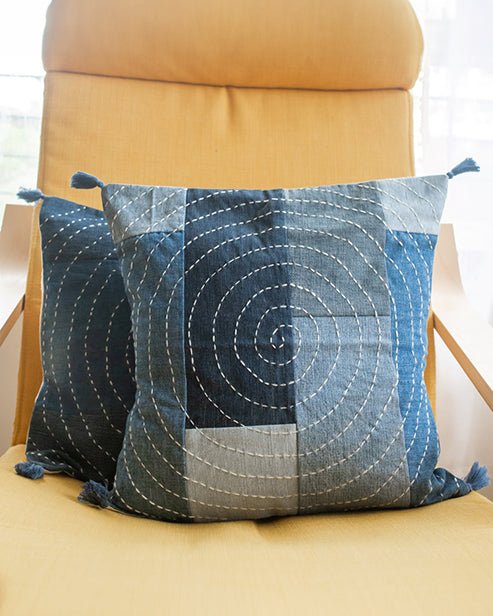
At Dwij, every denim bag tells a story. The natural textures, stitching patterns, and fabric variations ensure that no two bags are ever exactly alike. Each piece represents our commitment to craftsmanship, durability, and responsible production.
Our handmade upcycled accessories are crafted using rescued denim, premium hardware, and thoughtful design principles that prioritize longevity over disposability.
Which Material Should You Choose?
Choose Canvas If:
-
You need a durable everyday bag
-
You carry heavy items regularly
-
You want a low-maintenance option
-
You need a bag for office or travel use
Choose Jute If:
-
You prefer biodegradable materials
-
You need a grocery or gifting bag
-
You appreciate rustic aesthetics
-
You want a naturally eco-friendly option
Choose Denim If:
-
You want a stylish and durable bag
-
You appreciate individuality and character
-
You support circular fashion
-
You prefer handcrafted upcycled denim accessories
Final Thoughts
The choice between denim, jute, and canvas ultimately depends on your needs, personal style, and sustainability priorities. Canvas offers unmatched strength, jute provides natural biodegradability, and denim delivers a unique combination of durability, style, and character.
 For consumers seeking products that combine functionality with environmental responsibility, upcycled denim products provide a meaningful alternative to conventional manufacturing.
At Dwij, we believe waste should never be the end of the story. Through thoughtfully designed upcycled products, we transform discarded textiles into everyday essentials that are built to last.
After all, true sustainability begins when we choose to give materials a second life.
Frequently Asked Questions
1. Are denim bags stronger than jute bags?
Yes. Denim bags are generally more durable and better suited for everyday use. They can withstand frequent handling and washing, whereas jute fibers may weaken when exposed to moisture.
2. Why should I buy upcycled products?
When you buy upcycled products, you help reduce landfill waste, conserve resources, and support a circular economy that extends the life of existing materials.
3. Are upcycled denim products durable?
Absolutely. High-quality upcycled denim products retain the strength and durability of denim while reducing environmental impact through material reuse.
4. Which bag material is best for carrying heavy items?
Canvas is typically the best option for carrying heavy loads such as laptops, books, and groceries due to its excellent strength-to-weight ratio.
5. What makes Dwij's upcycled denim accessories unique?
Every Dwij product is handcrafted from rescued textiles, making each piece one-of-a-kind. The combination of sustainable sourcing, artisan craftsmanship, and thoughtful design ensures both durability and individuality.