
Many sustainable brands begin with a passion for the environment.
dwij began with engineering.
Before founding dwij, Soumya Annapurna Kalluri was a Mechanical Engineer working on Life Cycle Assessment (LCA) at John Deere's European Technology Innovation Centre in Germany. Her work focused on understanding the environmental impact of products throughout their entire life cycle from raw material extraction and manufacturing to use and end-of-life.
That experience changed the way she looked at waste.
Instead of asking, "How can we recycle more?", she began asking a more fundamental question:
"Why are products designed without considering what happens after they're no longer useful?"
That question eventually became the foundation of dwij.
An Engineering Perspective on Sustainability
Soumya's journey into sustainability wasn't driven by trends.
It was driven by data.
While working on Life Cycle Assessment (LCA), she saw that waste doesn't simply disappear once a product is discarded.
Everything has an environmental cost.
Every material requires resources.
Every product has an end of life.
This engineering perspective shaped a lifelong belief:
Nothing truly goes away.
Waste is simply a resource waiting for a better design solution.
That realization inspired her to rethink not only her own consumption but also the way products could be designed.
The Moment That Changed Everything
As Soumya explored the environmental impact of everyday products, one industry stood out.
Fashion.
The sheer volume of textile waste generated every year revealed how deeply the industry's linear model relied on producing, consuming, and discarding.
Rather than becoming another observer of the problem, she decided to become part of the solution.
That decision led to the creation of dwij, a Mumbai-based social enterprise dedicated to giving discarded textiles a meaningful second life.
Why the Name "dwij"?
The name dwij (द्वि = Twice, ज = Born) comes from Sanskrit and means "twice born."
It reflects the philosophy at the heart of the brand.
Instead of treating discarded materials as waste, dwij transforms them into thoughtfully designed products that continue their journey in a new form.
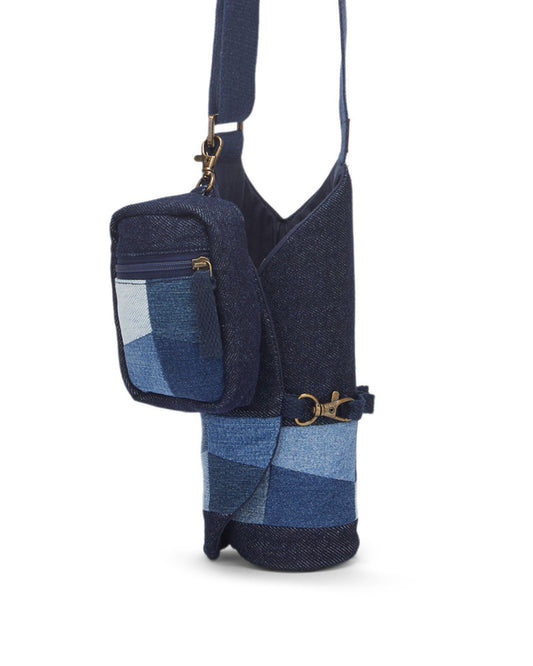
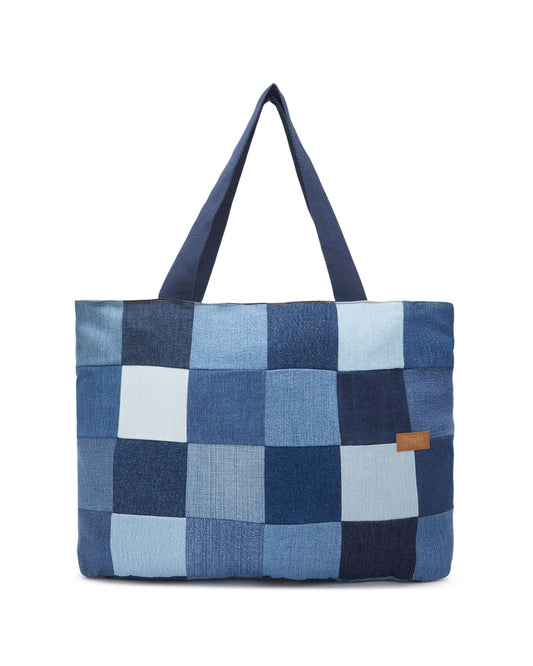
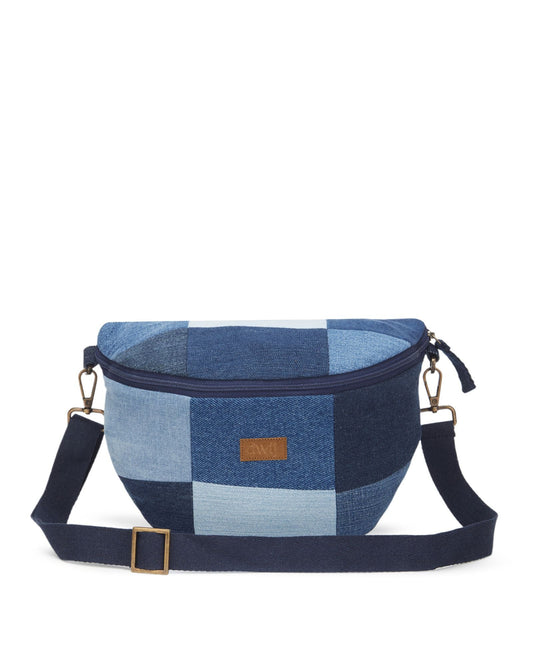
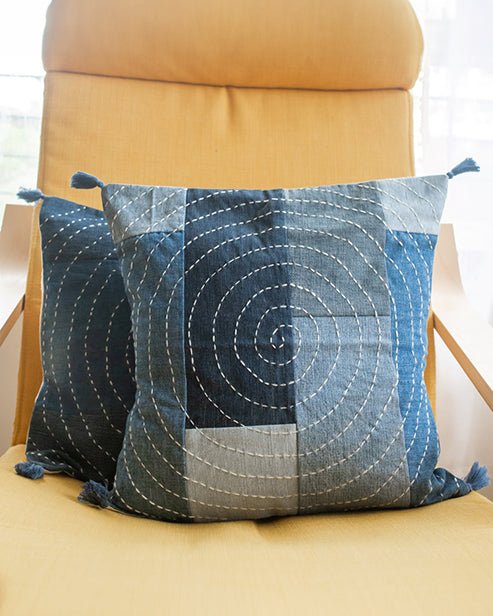
Today, rescued post-consumer jeans, post-industrial denim, and recycled PET felt become:

Every product represents the belief that materials deserve another chance.
Engineering Meets Circular Design
Soumya didn't leave engineering behind when she founded dwij.
She brought it with her.
Many of the principles that guided her engineering career now shape the way products are designed at dwij.
Instead of focusing only on appearance, every product is developed with consideration for its entire life cycle.

This includes:
-
Choosing rescued materials over virgin resources.
-
Designing products for durability and long-term use.
-
Minimising waste during production.
-
Selecting components that support longevity.
-
Considering what happens when a product eventually reaches the end of its useful life.
For us, sustainability begins at the design stage, not after a product becomes waste.
Design for Disassembly: Thinking Beyond the First Life
One of dwij's defining philosophies is Design for Disassembly.
This means every stitch, connection, and material is chosen with future recovery in mind.
Rather than permanently bonding different materials together, we aim to create products whose components can be more easily separated for recycling or future upcycling.

It's a simple idea with long-term impact.
Products should be designed not only for use, but also for what comes next.
That engineering mindset continues to influence every collection we create.
Turning Textile Waste into Everyday Utility
India generates approximately 7,800 kilotonnes of textile waste every year, much of which ends up in landfills or is incinerated.
At dwij, we see discarded material differently.

Post-consumer jeans and post-industrial denim already possess the durability needed for everyday products.
Rather than producing new fabric, we rescue existing materials and transform them into handcrafted lifestyle products designed to last.
Every material that enters our production process has already completed one journey.
Our role is to help begin the next.
Quality Is Part of Sustainability
For Soumya, sustainability has never been about creating products that simply look environmentally friendly.
They must also perform well.

That's why every dwij product is handcrafted using carefully selected components, including:
-
Premium Japanese YKK zippers and sliders.
-
Rust-free, non-corrosive metal fittings.
-
Carefully chosen recycled support materials where required.
-
Durable stitching designed for everyday use.
Longevity is one of the most important forms of sustainability.
The longer a product remains useful, the lower its overall environmental impact.
Building a Low-Waste Future
Every decision at dwij reflects one guiding principle:
Use what already exists before creating something new.
Alongside rescuing post-consumer denim, we also strive to minimise production waste by creatively incorporating denim offcuts into patchwork designs and making thoughtful use of available materials.
No two products are exactly alike.
Every variation in colour, fading, and texture tells the story of a material that has already lived one life.
More Than a Brand, A Different Way of Thinking
dwij was never created simply to manufacture bags.

It was created to challenge the way we think about products.
Can waste become a resource?
Can durability become the new definition of luxury?
Can thoughtful engineering create products that respect both people and the planet?
For Soumya, the answer has always been yes.
Her engineering background continues to shape every decision at dwij from material selection to circular design principles and long-term product durability.
Final Thoughts
The story of dwij is not only about sustainability.
It's about applying engineering to one of fashion's biggest challenges.
Soumya Kalluri's experience in Life Cycle Assessment revealed that every product has consequences beyond its first use.
Rather than accepting waste as inevitable, she built a brand around giving materials a second life.
At dwij, engineering and empathy work together.
Because creating a better future isn't just about caring.
It's about designing for it.
Frequently Asked Questions (FAQs)
1. Who is the founder of dwij?
dwij was founded by Soumya Annapurna Kalluri, a Mechanical Engineer who previously worked on Life Cycle Assessment (LCA) at John Deere's European Technology Innovation Centre in Germany.
2. Why did Soumya Kalluri start dwij?
After studying the environmental impact of products through Life Cycle Assessment and learning about the scale of textile waste, she founded dwij to transform discarded denim into durable, upcycled lifestyle products.
3. What does the name "dwij" mean?
The Sanskrit word dwij (द्वि = Twice, ज = Born) means "twice born," reflecting the brand's mission of giving discarded materials a meaningful second life.
4. What is Life Cycle Assessment (LCA)?
Life Cycle Assessment is a scientific method used to evaluate the environmental impact of a product throughout its entire life cycle, from raw material extraction to manufacturing, use, and end-of-life.
5. What is Design for Disassembly?
Design for Disassembly is dwij's approach to creating products whose materials and components can be more easily separated for future recycling or upcycling at the end of their useful life.
6. What materials does dwij use?
dwij primarily works with rescued post-consumer jeans, post-industrial denim, and recycled PET felt to create handcrafted bags, accessories, home décor, and lifestyle products.
7. How does engineering influence dwij's products?
Engineering principles guide material selection, durability, low-waste production, product longevity, and circular design, ensuring every product is created with its entire life cycle in mind.