
If you've ever wondered why I started dwij, the answer isn't simply because I wanted to build a sustainable brand.
It began with a question that stayed with me for years:
What really happens to the things we throw away?
Before founding dwij, I worked as a Mechanical Engineer and later completed my Master's in Commercial Vehicle Technology in Germany. During my time at John Deere, I worked on Life Cycle Assessment (LCA), measuring the environmental impact of agricultural machinery throughout its lifetime.
That experience changed how I looked at products.
Every material has a beginning.
Every product has an end.
And I realized something that has stayed with me ever since:
Nothing we call "waste" truly disappears.
It simply changes form, moves somewhere else, or continues impacting our environment long after we've stopped thinking about it.
That realization became the beginning of the dwij founder story.
The Fast Fashion Wake-Up Call
As I began researching my own lifestyle choices, one industry kept appearing in every conversation about environmental impact - fashion.
The more I learned, the more difficult it became to ignore.
Every year, millions of tonnes of textiles are discarded around the world. India alone generates approximately 7,800 kilotonnes of textile waste annually. Much of it is landfilled, burned, or left unused despite still having value.
Among that waste were countless pairs of jeans.
Jeans that had taken enormous amounts of water, energy, cotton, and labour to produce.
Yet many were being discarded while the fabric itself still had years of life left.
I couldn't stop asking myself:
Why are we constantly making more when so much already exists?
Why We Chose "Second Life" Instead of Single Use
That question became the foundation of dwij.
Our name comes from Sanskrit:
द्वि (Dwi) = Twice
ज (Ja) = Born
Together, dwij means "twice born."
It perfectly represents what we wanted to build.
Not a brand that encourages endless consumption.
But one that proves existing materials can become beautiful, functional, long-lasting products again.
Instead of designing around new materials, we chose to design around materials that already have a story.
That's why we work with:

-
 Recycled PET felt
Every product begins with something that already exists.
Why Denim?
People often ask why denim became our material of choice.
The answer is simple.
Denim was originally created to last.
It is incredibly durable, develops beautiful character over time, and continues performing long after many people consider it "old."
The natural fading, stitch lines, and textures found on rescued denim cannot be recreated authentically.
Rather than hiding those marks of time, we celebrate them.
You'll never find chemically created distressed effects at dwij.
We believe the most beautiful finishes are the ones life has already created.
Waste Is a Design Opportunity
Many people see textile waste as the end of a product's journey.
We see it as the beginning of another.
When rescued denim arrives at our workshop, we don't ask,
"How can we make this look new?"
We ask,
"How can we honour what this material already is?"
That shift in thinking influences every decision we make.
It shapes how we source materials.
How we design products.
How we manufacture.
And how we think about the product's future long after it leaves our workshop.
Building Products That Stay Useful
Sustainability isn't achieved simply because something is made from recycled or upcycled materials.
If a product wears out quickly and needs replacing, we've only delayed the problem.
That's why durability has always been one of our priorities.
We carefully choose components that support longevity, including:
-
Premium Japanese YKK zippers and sliders
-
Rust-free, non-corrosive metal fittings
-
Durable construction techniques
-
Recycled PET felt in selected products for added structure
Every decision is made to create products that remain useful for years—not seasons.
Supporting Craft Alongside Sustainability
Circular design isn't only about materials.
It's also about people.
At dwij, we collaborate with skilled artisans whose craftsmanship gives every product its character.
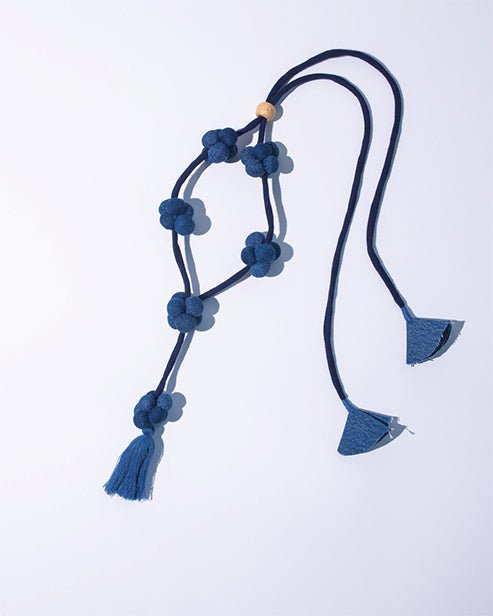
Over the years, we've introduced collections featuring:


These handcrafted details preserve traditional techniques while supporting artisan livelihoods.
For us, sustainability means protecting both the environment and the craftspeople whose skills deserve to thrive.
Designing Beyond the First Life
One principle continues to guide us every day:
Design for disassembly.
We think carefully about what happens when a product finally reaches the end of its useful life.
Can its materials be separated?
Can they be repaired?
Can they be recycled?
Can they become something new again?
These questions influence every stitch, every connection, and every design decision.
Because true sustainability doesn't end when a product is sold.
It continues throughout its entire lifecycle.
A Different Way to Think About Consumption
We live in a world that constantly encourages us to buy more.
New collections.
New colours.
New trends.
At dwij, we're trying to ask a different question.
Can we create products people use longer instead of replacing more often?
Minimalism isn't about owning less for the sake of it.
It's about owning things that continue to serve you well.
That belief sits at the heart of everything we make.
What Gives Me Hope
Every rescued pair of jeans reminds me that waste is often a matter of perspective.
One person sees something finished.
Another sees possibility.
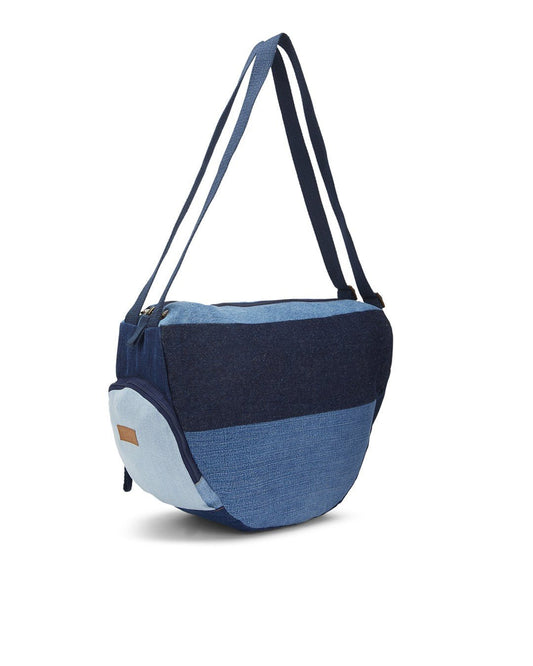
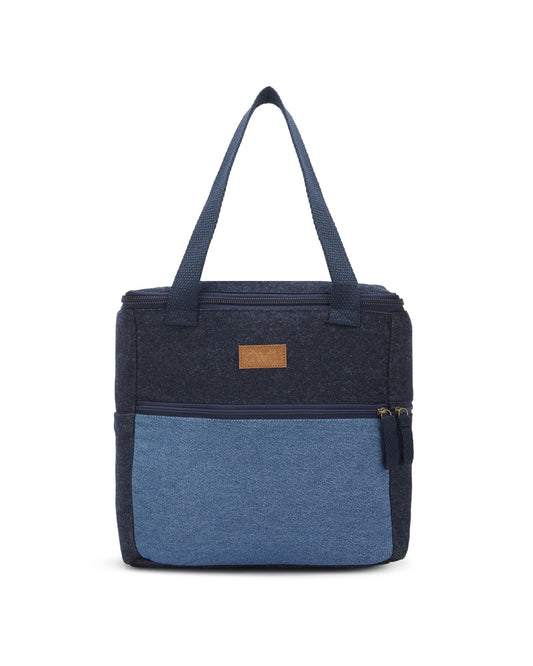
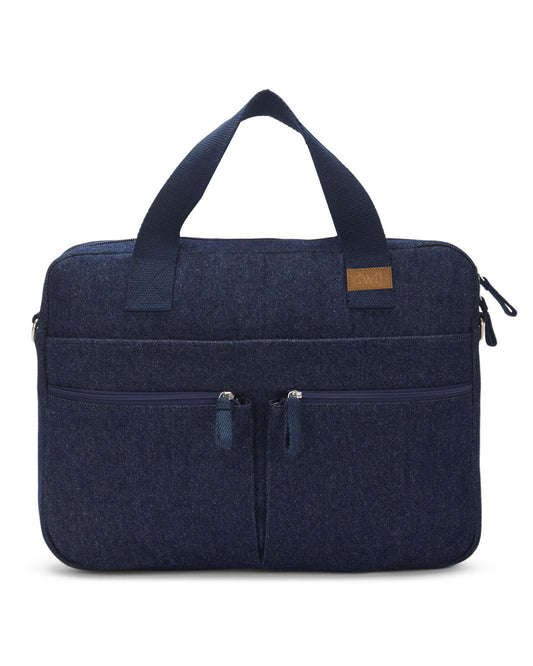
Since starting dwij, we've seen thousands of pieces of discarded denim become bags, laptop sleeves, home décor, jewellery, toys, and utility accessories designed for everyday life.
Together, this approach has helped save 30,353 kilograms of CO₂ emissions in FY 2024–25, equivalent to the carbon sequestered by 502 tree seedlings grown for 10 years.
For me, those numbers represent something much bigger.
Proof that thoughtful design can create meaningful environmental change.
Thank You for Being Part of the Story
Every time you choose an upcycled product, you're making a quiet but important decision.
You're choosing to extend the life of existing materials.
You're helping reduce textile waste.
You're supporting skilled craftsmanship.
And you're proving that beautiful design doesn't have to begin with something new.
Thank you for believing, as we do, that the best stories deserve a second life.
Frequently Asked Questions (FAQs)
1. Why did Soumya Kalluri start dwij?
Soumya Kalluri founded dwij after working on Life Cycle Assessment (LCA) at John Deere in Germany. Her research into environmental impact and textile waste inspired her to create a brand that gives discarded materials a second life through thoughtful upcycling.
2. What does the name "dwij" mean?
Dwij comes from Sanskrit, where द्वि (Dwi) means "twice" and ज (Ja) means "born." Together, it represents the idea of giving materials a second life through circular design.
3. Why does dwij focus on upcycled denim?
Denim is a durable material with a long usable life. By rescuing post-consumer jeans and post-industrial denim, dwij reduces textile waste while creating long-lasting bags, accessories, and home products.
4. What is the philosophy behind dwij?
dwij believes that waste should become a resource rather than a problem. The brand follows a circular design philosophy by creating durable products from existing materials and designing them with longevity and future recyclability in mind.
5. What makes dwij products different?
Every dwij product is handcrafted using rescued denim, making each piece unique. The brand also uses premium components, supports artisan embroidery, follows low-waste production practices, and embraces design for disassembly.
6. Does dwij use artificial washes or distressing?
No. dwij celebrates the authentic faded textures that time has already created on denim and does not use chemicals to produce artificial washed effects.
7. How does buying from dwij support sustainability?
Choosing a dwij product helps extend the life of existing materials, reduces textile waste, lowers demand for virgin resources, supports artisan craftsmanship, and contributes to a more circular approach to fashion.