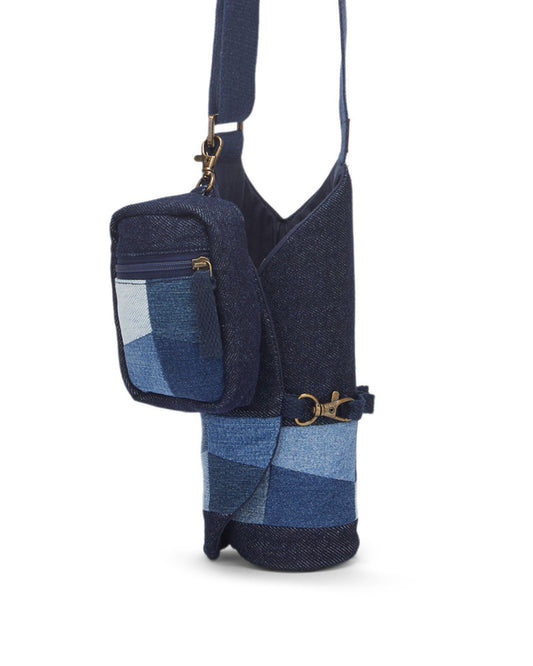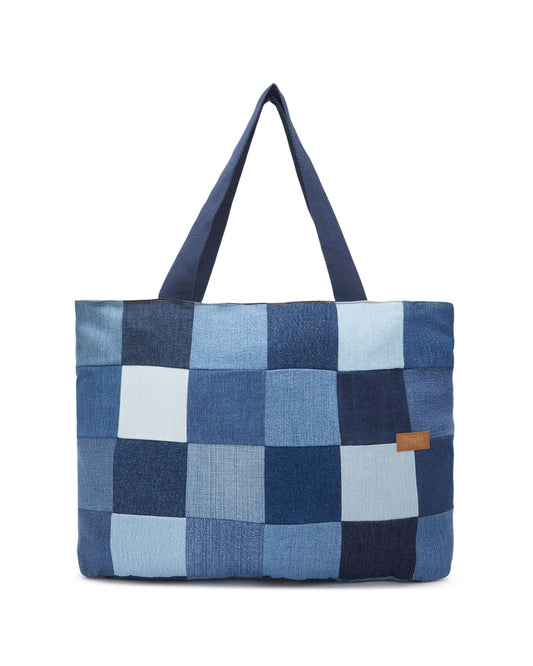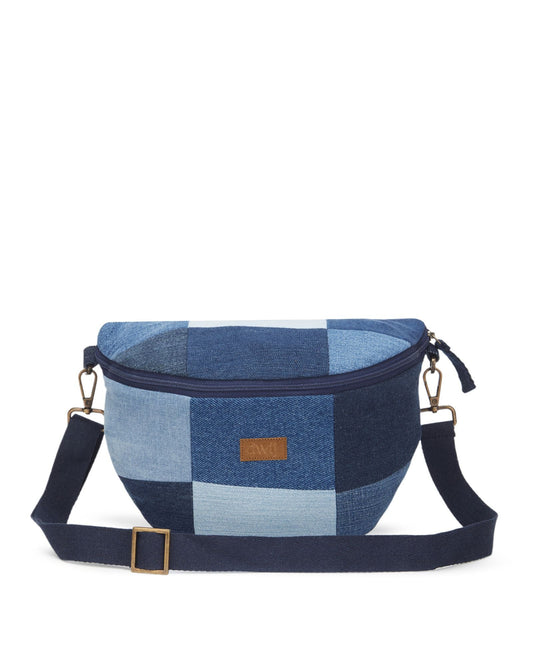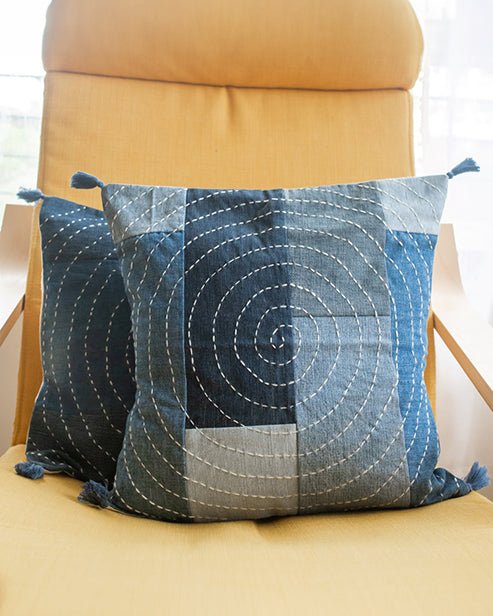

In a world where fast fashion creates enormous waste, handmade denim bags are becoming a meaningful alternative for conscious consumers. At Dwij, we believe sustainability begins with rethinking the materials we already have. Instead of allowing discarded jeans and fabric scraps to end up in landfills, we transform them into functional, stylish, and long-lasting accessories.
Handmade denim bags are not just fashion products. They represent creativity, craftsmanship, and a second life for textiles that would otherwise be wasted. Every stitch, patch, and pocket carries a story of transformation perfectly aligned with Dwij’s philosophy of “From Waste to Wonder – Upcycled with Purpose.”
The Journey of a Handmade Denim Bag
Creating high-quality denim bags is a detailed process that combines thoughtful design, skilled craftsmanship, and sustainable practices. Unlike mass-produced accessories, every handmade bag is carefully crafted with attention to durability and individuality.
1. Sourcing and Selecting Denim
The journey begins with sourcing discarded or surplus denim. At Dwij, we work with post-consumer jeans collected through drives and second-hand markets, along with post-industrial denim scraps that would otherwise become waste.
Each piece of denim is rigorously cleaned and pre-washed for hygiene and durability. Since we avoid harsh chemical treatments, the fabric retains its authentic texture, natural fading, and character. This gives every jeans bag a unique personality that cannot be replicated by factory-made products.
Many of the most loved details in denim handbags come from reclaimed features such as:
-
Original jean pockets
-
Belt loops
-
Contrast stitching
-
Naturally faded panels

These features help preserve the history of the fabric while reducing waste.
Pattern Drafting and Cutting
Once the fabric is selected, the next step is designing and cutting the patterns. Depending on the final product whether it is a tote, sling, pouch, or denim shoulder bag for women the denim is cut into precise geometric shapes.
Skilled artisans carefully plan the layout to maximize fabric usage and minimize leftovers. This is an important part of Dwij’s zero-waste approach.

Many denim handbags for women are intentionally designed to showcase original jean details. For example, back pockets are often reused as functional exterior pockets, adding both utility and visual appeal.
3. Stitching the Exterior
After cutting, the denim panels are stitched together to create the outer structure of the bag. Since denim is a heavy-duty fabric, strong sewing techniques and reinforced stitching are essential.
The exterior assembly usually includes:
-
Joining side and bottom panels
-
Reinforcing stress points
-
Adding boxed corners for structure
-
Attaching hardware like D-rings or metal loops
At this stage, the bag starts taking its final shape. The durability of handmade denim bags comes from careful craftsmanship rather than rapid machine production.

Unlike mass-manufactured accessories, handcrafted denim handbags focus on longevity. At Dwij, we intentionally create products that are designed to last for years, helping reduce overconsumption and textile waste.
Adding the Inner Lining
A high-quality inner lining is essential for structure and usability. Durable fabrics such as cotton canvas or upcycled textiles are commonly used to line the interior.

The lining process includes:
-
Sewing internal compartments
-
Adding zipper pockets or slip pockets
-
Reinforcing seams for strength
-
Joining the lining with the denim exterior
The combination of denim and lining creates a sturdy yet comfortable product suitable for daily use.
This attention to detail is what makes handmade denim bags for women both fashionable and practical.
Creating Handles and Straps
The straps and handles are another important part of the process. Depending on the design, artisans may use:
-
Leftover denim strips
-
Cotton webbing
-
upcycled fabric straps
For strength and durability, handles are usually secured using reinforced stitching techniques like the “box-and-X” stitch.

Whether it is a tote or a denim shoulder bag for women, comfort and functionality are carefully considered during this stage.
Final Finishing Touches
The final stage focuses on refinement and quality checks. Every jeans bag goes through detailed finishing processes, including:
-
Top stitching around edges
-
Trimming loose threads
-
Ironing seams for a polished appearance
-
Inspecting zippers and closures
-
Ensuring overall durability

At Dwij, every product is handcrafted in small batches rather than mass-produced. This means no two bags are ever exactly alike. Each one carries subtle variations that celebrate the uniqueness of the reclaimed fabric.
Why Handmade Denim Bags Matter
The growing popularity of denim handbags for women is not only about aesthetics. Consumers today are becoming more aware of the environmental cost of fast fashion.

India generates massive amounts of textile waste every year, and denim contributes significantly due to its resource-intensive production process. By upcycling old jeans into useful products, brands like Dwij help reduce landfill waste, conserve resources, and lower carbon emissions.
Choosing handmade denim bags supports:
-
Circular fashion
-
Ethical craftsmanship
-
Waste reduction
-
Slow fashion values
-
Local artisan communities
Instead of creating new fabric from scratch, upcycling extends the life cycle of existing materials while reducing environmental impact.
The Beauty of Imperfection
One of the most beautiful aspects of handmade denim handbags is their individuality. Slight variations in texture, fading, stitching, or patch placement make each bag one-of-a-kind.

At Dwij, we see these imperfections as stories rather than flaws. They reflect the journey of the fabric and the hands that transformed it into something valuable again.
In a market flooded with identical factory-made accessories, handmade denim bags offer authenticity, sustainability, and timeless style.
Conclusion
Handmade denim bags are created through a thoughtful process that blends creativity, craftsmanship, and sustainability. From sourcing discarded jeans to carefully stitching every detail, each bag represents a conscious alternative to fast fashion.
At Dwij, our mission is to give textiles a second life while creating functional products that people genuinely love to use. Every denim bag we make is a reminder that waste can become wonder when designed with purpose.
Whether you are looking for stylish denim handbags for women or an everyday jeans bag that aligns with sustainable values, handmade upcycled fashion offers a meaningful choice for both people and the planet.
FAQs
1. What are handmade denim bags made from?
Handmade denim bags are usually made from upcycled jeans, surplus denim fabric, or reclaimed textile scraps that are cleaned, cut, and stitched into new products.
2. Are denim bags durable for everyday use?
Yes, denim is a strong and long-lasting fabric. When combined with reinforced stitching and quality hardware, denim bags are highly durable for daily use.
3. Why are handmade denim handbags unique?
Every bag uses different reclaimed denim pieces, natural fades, and stitching patterns, making each product one-of-a-kind.
4. Are denim handbags for women eco-friendly?
Yes, especially when made through upcycling. They help reduce textile waste, conserve resources, and support sustainable fashion practices.
5. How do I maintain a denim shoulder bag for women?
Spot cleaning with mild soap and cold water is usually recommended. Avoid harsh chemicals or excessive machine washing to preserve the fabric and stitching.