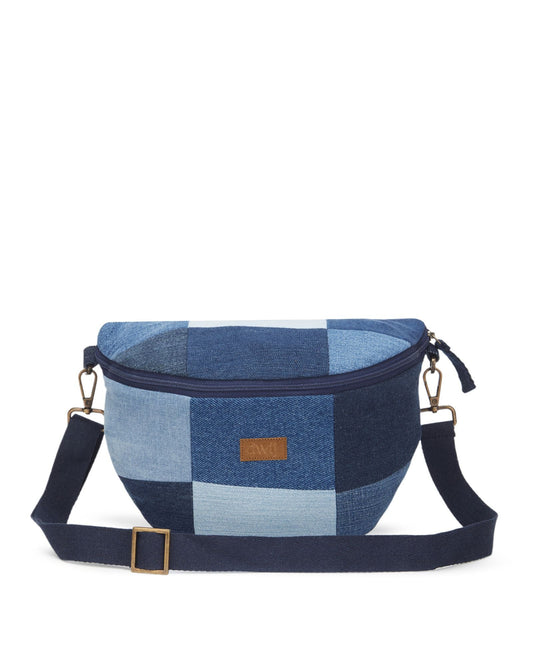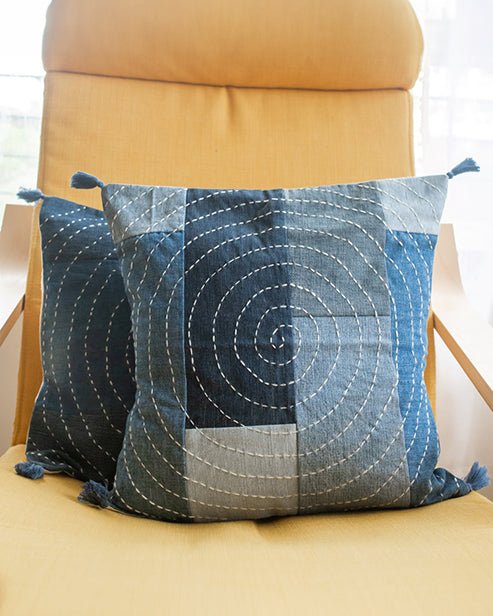

A denim bag is made to be used, carried, and lived with but everyday use can sometimes leave behind coffee marks, food spills, dust, mud, or oil stains. The good news is that denim bag stain removal does not require aggressive chemicals or machine washing. With the right technique, you can clean denim bag stains while preserving the fabric, color, shape, and character of your bag.
At Dwij, we believe that caring for what you already own is an important part of sustainable living. Our upcycled denim bags are created from rescued textiles, giving discarded materials a second life. Gentle maintenance helps that second life last even longer.
Here is our practical denim stain guide for safely removing common stains without unnecessarily damaging your bag.
What You Need to Clean Denim Bag Stains
Before cleaning, gather a few simple supplies:
-
Mild liquid laundry detergent or gentle dish soap
-
Cool or room-temperature water
-
A soft-bristled brush or clean toothbrush
-
A clean, lint-free microfiber cloth
-
Paper towels for fresh spills
-
Optional: baking soda for grease and oil stains
-
Optional: diluted white vinegar for certain stubborn stains
You do not need a large collection of cleaning products. In fact, starting with the mildest method is usually the best approach for denim.
Step 1: Check the Fabric Before Cleaning
Before applying anything to the visible stain, test your cleaning solution on a hidden area.
Mix a few drops of mild detergent with cool water. Dab a small amount onto an inside seam, underside, or inconspicuous corner of the bag. Wait briefly and check whether the denim shows any unusual color change or bleeding.
This is particularly important for indigo and darker denim because dyes can behave differently depending on how the fabric was processed.
If the fabric looks unaffected, proceed with spot cleaning.
Step 2: Blot Fresh Stains Immediately
When a spill happens, acting quickly can make denim bag stain removal much easier.
Use a clean paper towel or dry cloth to gently press the affected area. The objective is to absorb the excess liquid rather than push it further into the denim.
Do not rub aggressively.
Rubbing can spread the stain, disturb the surface fibers, and make a small mark more noticeable. For oily spills, gently blot as much of the excess as possible before applying any water.
Step 3: Gently Spot-Clean the Stain
Dip a soft cloth or soft-bristled brush into your mild soapy-water solution. Make sure it is damp rather than soaking wet.
Gently work over the stained area using small circular movements. Start around the outside of the stain and gradually move toward the center.
Take your time. Denim is a durable cotton fabric, but durability does not mean it should be scrubbed aggressively.
For an upcycled denim bag, gentle spot cleaning is especially useful because the bag may contain different textile panels, embroidery, stitching, recycled materials, or hardware that you want to protect.
How to Remove Different Types of Denim Bag Stains
Different stains respond better to different approaches.
Grease and Oil
For a fresh grease or oil mark, sprinkle a small amount of baking soda over the affected area. Let it sit for a while so it can help absorb some of the oil.
Gently brush the powder away and then clean the area with your mild soap-and-water solution.
Avoid pouring large amounts of detergent directly onto the bag. A targeted application gives you more control.
Food and Mud
Allow excess mud to dry before gently brushing away loose dirt. Then use a damp cloth and mild soapy water to treat the remaining mark.
For certain stubborn food stains, a diluted vinegar-and-water solution can be considered. Always test it on an inconspicuous area first.
Unknown or Older Stains
If you do not know what caused the stain, begin with the simplest option: cool water and mild detergent.
Avoid immediately reaching for strong stain removers or bleach. A harsh treatment can cause uneven fading or weaken the fibers before you know whether it was necessary.
Step 4: Remove Soap Residue
Once the stain has improved, take another clean cloth and dampen it with plain cool water.
Blot the cleaned area repeatedly to lift away remaining soap. Avoid soaking the denim.
Leaving detergent residue behind can affect the fabric's feel and appearance, so this rinsing step is worth doing carefully.
Step 5: Dry Your Denim Bag Correctly
Drying is just as important as cleaning.
Do not wring or twist the bag. Instead, gently reshape it and stuff the interior with clean white towels or breathable paper. This helps the bag maintain its structure as it dries.
Place it in a well-ventilated area away from direct sunlight.
Direct sunlight can contribute to uneven fading, particularly on darker denim. Allow the bag to dry naturally and completely before using or storing it.
Denim Bag Care: What to Avoid
When caring for a denim bag, some cleaning methods can do more harm than good.
-
Avoid machine washing structured denim bags. Bags with zippers, metal fittings, internal structure, embroidery, or other components may lose their shape or suffer damage during a machine cycle.
-
Avoid chlorine bleach. Bleach can strip denim dye unevenly and may weaken cotton fibers.
-
Avoid oversaturating the bag. Denim absorbs water, and excessive moisture can make drying uneven. It may also affect attached materials or hardware.
-
Avoid aggressive scrubbing. You are trying to remove the stain—not remove the character of the denim itself.
Why Gentle Care Matters to Us at Dwij
At Dwij, we see every piece of rescued denim as material with another chapter to give.
Our bags are made using post-consumer jeans, post-industrial denim, and other rescued textiles. Rather than treating imperfections as something that needs to be eliminated, we celebrate the authentic texture and individuality of upcycled materials.
That is why we encourage care practices that prioritize longevity over replacement.
Cleaning a small stain instead of discarding a bag may seem like a small decision, but it reflects a larger circular mindset: use what you have, care for it, repair it when possible, and keep it in use for as long as possible.
The Simple Denim Stain-Removal Routine
When you need to clean denim bag stains, remember this simple routine:
Blot → Test → Spot-clean → Rinse → Reshape → Air-dry.
Start with the gentlest solution and only move to stronger methods when necessary. With regular care, your denim bag can continue carrying its unique texture and story for years.
At Dwij, this is what “From Waste to Wonder – Upcycled with Purpose” means to us: giving materials a second life—and helping that life last.
Frequently Asked Questions
1. Can I wash a denim bag in the washing machine?
It is generally better to avoid machine washing structured denim bags, particularly those with zippers, metal hardware, embroidery, internal shaping, or attached materials. Spot cleaning with a mild detergent and cool water is a safer approach for many denim bags.
2. How do I remove an oil stain from a denim bag?
Blot excess oil first without rubbing. Apply a small amount of baking soda to help absorb the oil, gently brush it away, and then spot-clean the area with mild detergent diluted in cool water. Always test the method on a hidden section first.
3. Can I use bleach to remove stains from denim?
We recommend avoiding chlorine bleach on denim bags. It can cause uneven discoloration and may weaken cotton fibers. Start with mild detergent and cool water instead.
4. How should I dry a denim bag after cleaning?
Gently reshape the bag and stuff it with clean towels or breathable paper to help maintain its form. Let it air-dry completely in a well-ventilated area away from direct sunlight. Avoid wringing, twisting, or using excessive heat.