
At dwij, we believe a product can carry more than utility. It can carry a story.
Our Aadya, Ameya and Anantaa neckpieces are inspired by Sanskrit words that express ideas of beginnings, boundlessness and eternity. Just like our upcycled denim gives discarded materials a second life, these names give each neckpiece a meaning that goes beyond its form.
The result is jewellery that brings together upcycled denim, handcrafted design and timeless Indian language.
What Do Aadya, Ameya and Anantaa Mean?
The three names come from Sanskrit and were chosen for the ideas they represent:
-
Aadya (आद्या) — the first, primordial, or beginning.
-
Ameya (अमेय) — immeasurable, boundless, or beyond measure.
-
Anantaa (अनन्ता) — endless, infinite, or eternal.
Together, the names tell a beautiful story: a beginning, something without limits, and a journey that continues endlessly.
For dwij, this symbolism connects naturally with our philosophy of giving materials another chapter rather than treating them as disposable.
Aadya: A Name for New Beginnings
Aadya is associated with the idea of being first, primordial or the beginning.
That idea feels especially meaningful at dwij.
A piece of denim that has already lived one life can become the starting point for something completely new. A discarded pair of jeans can move from being unwanted material to becoming a carefully handcrafted accessory.

Our Aadya Neckpiece represents that transformation.
The story isn't about making something from nothing. It is about recognising possibility in something that already exists.
This is at the heart of upcycling: one life ends, and another begins.
Ameya: Beyond Measure
The Sanskrit word Ameya (अमेय) is associated with something immeasurable or beyond measure.
For us, it reflects the possibilities hidden within materials that are often considered waste.
A piece of denim may have:
-
A naturally faded texture
-
An unusual shade
-
Existing seams
-
Different fabric weights
-
Small imperfections from its previous life
Instead of treating these differences as limitations, we allow them to influence the design.

Our Ameya Neckpiece celebrates that idea of limitless possibility.
The material may have had a defined purpose once, but its next chapter doesn't have to be limited by its past.
Anantaa: The Idea of Continuity
Anantaa (अनन्ता) comes from the Sanskrit idea of ananta, meaning endless, infinite or without an end.
The name resonates strongly with our belief that materials should not be treated as disposable after one use.
At dwij, we think about what happens after a product is made too.
Our design philosophy includes design for disassembly, where components are considered with their eventual separation, recycling or upcycling in mind.

The Anantaa Neckpiece therefore represents more than an accessory. Its name reflects the idea of continuity, the possibility that materials can continue through different forms and uses.
Why Sanskrit Names for Upcycled Jewellery?
Sanskrit has a rich vocabulary for ideas such as beginnings, continuity, beauty and infinity.
Naming our neckpieces Aadya, Ameya and Anantaa allows us to connect contemporary upcycled design with an older linguistic tradition.
It also reflects something important about dwij.
Our products may be made from materials such as discarded denim, but their inspiration doesn't have to come from the past alone. We can combine traditional ideas with contemporary design to create something relevant today.

This is the same approach we take across our collections, including our handcrafted embroidery and upcycled accessories.
From Discarded Denim to Handcrafted Jewellery
Our approach to jewellery begins with the same principle that guides our wider product range: use existing materials thoughtfully and make products that are meant to last.
We rescue post-consumer jeans and post-industrial denim and give suitable pieces another purpose.

The material is carefully selected and prepared before being transformed into products. Because the denim comes in different shades, textures and forms, every piece can have its own character.
This means an upcycled denim accessory isn't simply a conventional jewellery design made in denim.
The material itself becomes part of the design story.
Small Pieces, Bigger Ideas
A neckpiece may be smaller than a tote bag or backpack, but the idea behind it is the same.
At dwij, we ask:
What if something discarded could become desirable again?
That question sits at the centre of our circular design philosophy.
We don't use chemicals to artificially create the naturally faded character of our denim. Instead, we celebrate the textures and variations that the material already carries.
The result is jewellery that retains a connection to its previous life while becoming something entirely new.
The Meaning Behind the Names at a Glance
|
Neckpiece |
Sanskrit meaning |
The idea it represents |
|
Aadya |
First, primordial, beginning |
A new beginning |
|
Ameya |
Immeasurable, boundless |
Limitless possibility |
|
Anantaa |
Endless, infinite |
Continuity and an ongoing journey |
Together, Aadya, Ameya and Anantaa reflect a simple idea: new beginnings can emerge from what already exists, possibilities can be limitless, and a material's story doesn't have to end with its first life.
Why These Neckpieces Matter to Dwij
For us, sustainability isn't simply about putting the word "upcycled" on a product.
It is about changing how we think about materials.
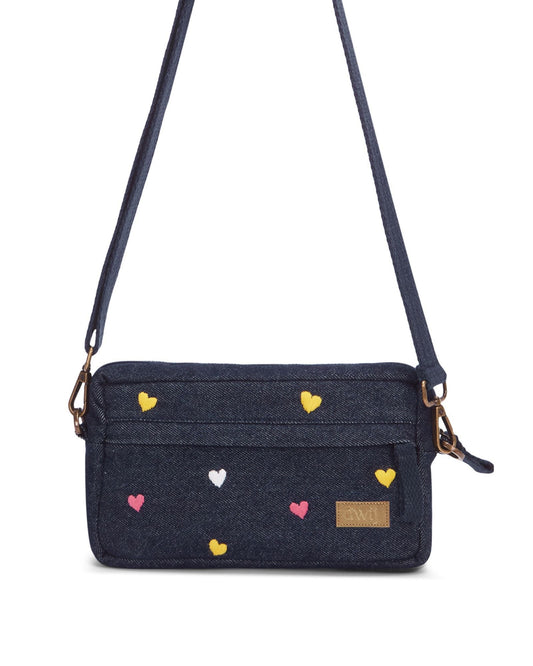
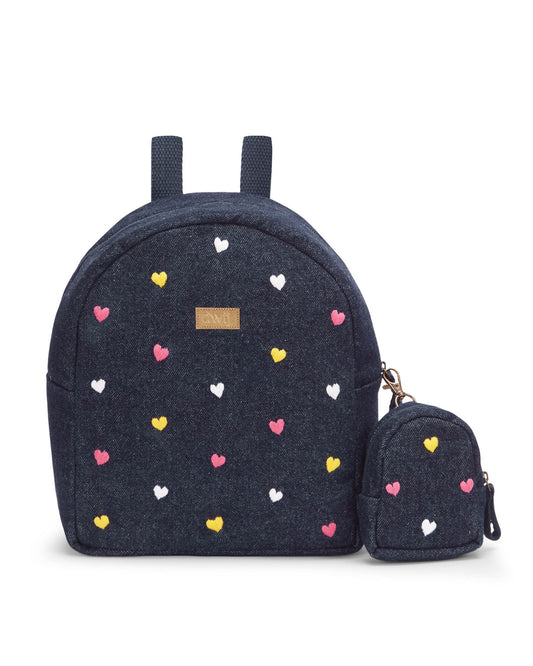
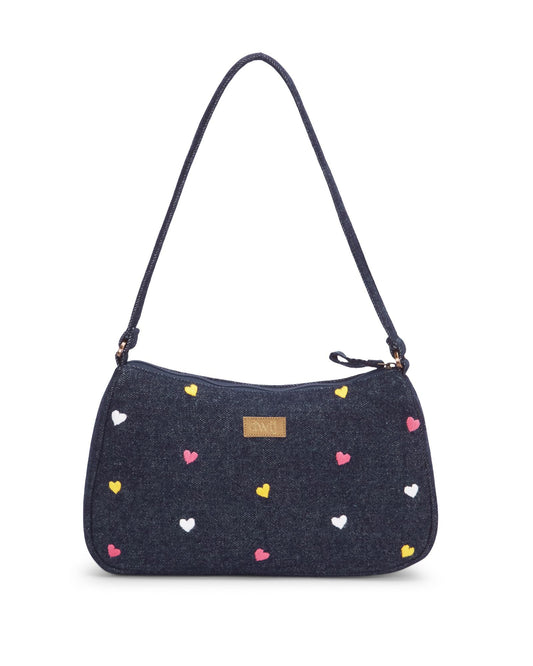
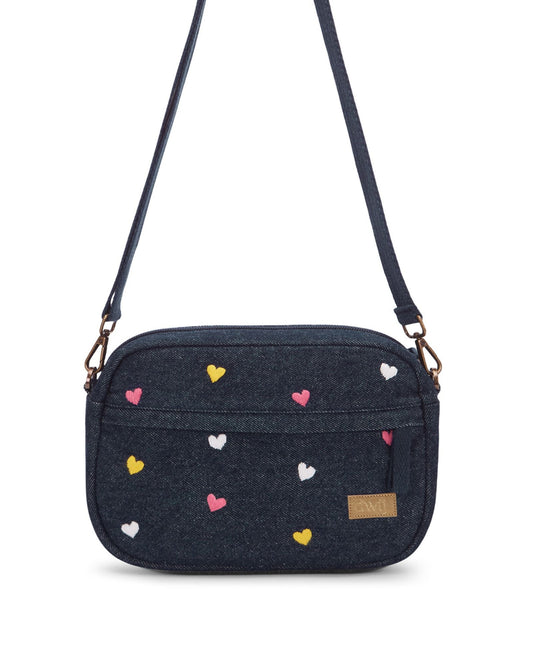
A discarded pair of jeans doesn't have to be the end of a story. With thoughtful design, skilled craftsmanship and a low-waste approach, it can become a bag, pouch, home accessory or even a piece of jewellery.
That is what dwij represents: twice born, or given a second life.
And perhaps that is the most fitting story behind Aadya, Ameya and Anantaa.
A beginning. A possibility. An endless journey.
Frequently Asked Questions
What do Aadya, Ameya and Anantaa mean?
Aadya refers to the first or primordial beginning, Ameya means immeasurable or boundless, and Anantaa means endless or infinite.
Why does dwij use Sanskrit names for its neckpieces?
The names connect contemporary upcycled jewellery with meaningful Sanskrit concepts around beginnings, possibility and continuity.
Are the dwij neckpieces made from upcycled denim?
The collection is part of dwij's wider approach to transforming existing materials into thoughtfully designed accessories. Dwij works with post-consumer jeans and post-industrial denim as key materials.
Are all dwij jewellery pieces identical?
Because upcycled denim naturally varies in colour, fading, texture and character, individual pieces can have subtle differences. These variations are part of what makes upcycled products unique.
What does dwij mean?
Dwij (द्वि = twice, ज = born) refers to being "twice born" or having a second life. It represents the brand's philosophy of giving discarded materials another purpose through thoughtful design.
How does this collection reflect dwij's sustainability philosophy?
The collection reflects dwij's broader belief in using existing materials, reducing waste, creating durable products and considering what happens to a product at the end of its useful life through design for disassembly.