
When planning corporate gifting, one common question is: Is it better to give one larger sustainable gift or a set of smaller sustainable gifts?
There is no single answer. One larger gift works well when perceived value, longevity, and a strong individual impression matter most. Several smaller gifts can work better when variety, flexibility, and a curated experience are the priority. The right choice depends on your budget, recipients, gifting purpose, company policies, and how much customization you need.
For businesses exploring sustainable corporate gifting, the decision is not simply about the number of items. The more important question is whether the gift is useful, durable, relevant to the recipient, and thoughtfully sourced.
One Big Gift vs. Several Small Gifts: What Is Better?
A simple way to decide is to look at what you want the gift to achieve.
|
If your priority is… |
Consider one larger gift |
Consider several smaller gifts |
|
Perceived value |
✓ |
|
|
Long-term utility |
✓ |
|
|
Personalization |
✓ |
|
|
Variety |
✓ |
|
|
Themed gifting |
✓ |
|
|
Engaging unboxing |
✓ |
|
|
Large-scale gifting |
✓ |
|
|
Fewer logistics |
✓ |
|
|
Different recipient preferences |
✓ |
Neither approach is automatically more sustainable or more meaningful. The quality, usefulness, durability, materials, packaging, and sourcing of the products matter more than the number of items in the box.
When Does One Big Corporate Gift Make Sense?
A single premium gift can be a practical choice when you have a clearly defined recipient and want to invest more in one useful product.
1. You Are Gifting a Small Number of Important Recipients
For senior leaders, long-term business partners, or milestone occasions, a single well-chosen gift can feel more intentional than a collection of unrelated products.
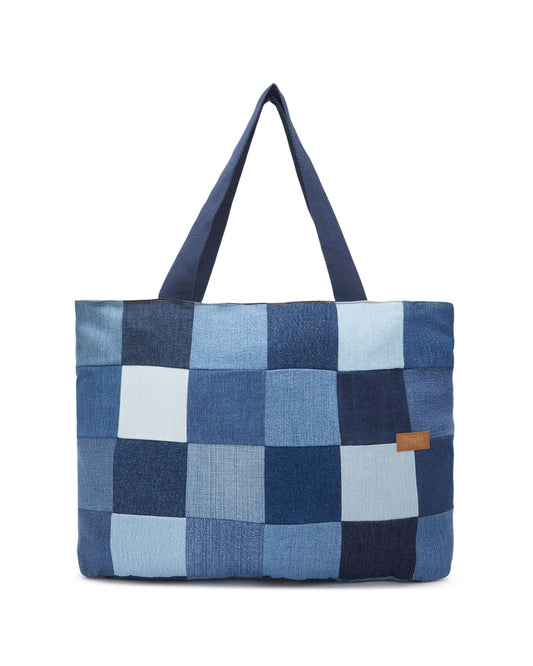
For example, a high-quality Convertible Tote or Patched Backpack could be appropriate when the recipient regularly travels between home, office, and meetings.
2. You Want Long-Term Utility
A larger gift can make sense when it is something the recipient can use repeatedly rather than a collection of items that may eventually sit unused.
Ask:
-
Will the recipient use it regularly?
-
Is it durable?
-
Does it solve a real need?
-
Is the design likely to remain relevant?
-
Can it replace something they might otherwise purchase?
These questions are particularly useful when evaluating sustainable corporate gifts.
3. You Know Your Recipient Well
A larger gift carries more risk if you know very little about the recipient.

However, if you understand their lifestyle or work routine, you can choose something more relevant for example, a Laptop Sleeve for someone who travels frequently with a laptop or a Large Tote for someone who carries work essentials every day.
4. You Want Fewer Items and Simpler Packaging
One thoughtfully selected product can also reduce the number of individual items that need to be sourced, packed, labelled, and shipped.
That does not automatically make it the more sustainable option, but it can simplify the gifting operation.
When Are Several Small Sustainable Gifts Better?
A curated set can be more appropriate when you want to create variety or accommodate a larger and more diverse recipient group.
1. You Are Gifting a Large Employee Group
If hundreds of employees are receiving gifts, individual preferences can vary significantly.
A small collection can give recipients different types of utility within one theme. For example:
-
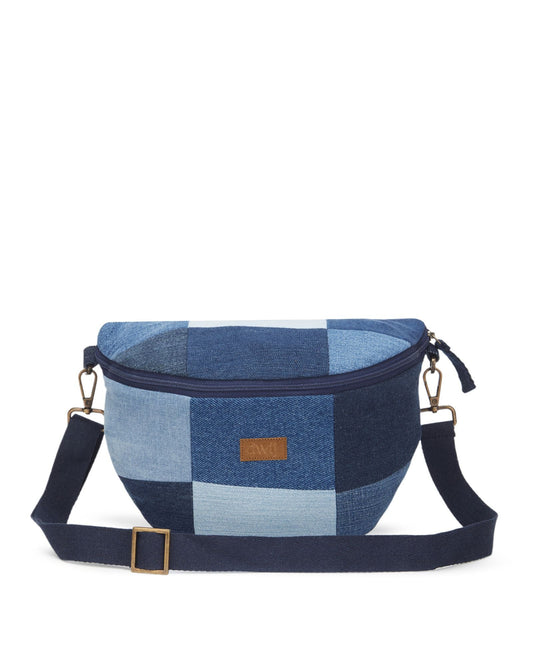
Mobile Sling for everyday essentials
-
Pouch for small belongings
-
Reusable stationery
-
A locally sourced food item
-
A small desk accessory
The goal is not to fill a box with as many products as possible. It is to create a useful combination where every item has a purpose.
2. You Want to Build a Theme
Several smaller gifts allow you to tell a stronger story around a particular occasion.

Possible themes include:
-
Workday Essentials
-
Travel & Commute
-
Mindful Desk
-
Everyday Carry
-
Local & Handmade
-
Sustainable Living
A Bottle Holder paired with a Mobile Pouch, for example, can create an everyday-carry theme without requiring a high-value single item.
3. You Want a More Interactive Unboxing Experience
Opening a curated box with several useful products can create a sense of discovery.
But variety only works when the products make sense together. Five unrelated promotional products can feel less thoughtful than two well-selected items.
Is One Expensive Gift More Sustainable Than Several Small Gifts?
Not necessarily.
Price and sustainability are different considerations.
A high-priced product can still have a poor environmental profile if it is difficult to repair, made from problematic materials, or unlikely to be used. Similarly, several smaller products can create unnecessary waste if they are low-quality, disposable, or over-packaged.

When comparing eco-friendly corporate gifts, look beyond the price tag and ask:
-
What is the product made from?
-
Is the material recycled, upcycled, renewable, or virgin?
-
How long is the product likely to be used?
-
Is it genuinely useful?
-
Is unnecessary packaging involved?
-
Can components be reused, repaired, or separated?
-
Where and how is it manufactured?
-
Are the products durable enough to avoid quick replacement?
A smaller number of useful, durable products can be more meaningful than a larger box of disposable merchandise.
A Simple Corporate Gifting Budget Framework
Instead of deciding based only on the number of products, divide your decision into five questions.
1. Who Are You Gifting?
Small recipient group: A larger individual gift may be easier to personalize.
Large recipient group: A curated set may offer more flexibility.
2. What Is the Occasion?
For a major business milestone, a premium single item may fit the occasion.
For festivals, employee appreciation, conferences, or broader celebrations, a themed collection can provide more variety.
3. What Is Your Per-Person Budget?
Think about the total delivered cost, not only the product price.
Your budget may need to cover:
-
Product cost
-
Customization
-
Packaging
-
Assembly
-
Shipping
-
Taxes
-
Sampling
-
Contingency
A ₹2,000 budget, for example, could mean one ₹2,000 product or two ₹800 products plus ₹400 for packaging and delivery. The better structure depends on the recipient and gifting objective.
4. How Much Personalization Do You Need?
If you have detailed recipient information, individual products can be selected accordingly.
If you are gifting a diverse group, choose products with broad everyday utility.

Personalization can also be subtle. Instead of changing the product for every recipient, consider:
-
Branded packaging
-
Personalized cards
-
Event-specific tags
-
Company colours
-
A short message
-
Curated combinations
5. How Complex Is Your Operation?
This is often overlooked.
One product from one supplier can be easier to manage than six products from six suppliers.
Before choosing a multi-item gift, consider:
Sourcing → quality checks → customization → inventory → assembly → packaging → shipping
If your gifting deadline is tight, operational simplicity may be as important as product variety.
The Hybrid Approach: One Hero Gift + Small Accents
You do not always have to choose between one big gift and several small ones.

A hero-item gifting strategy combines one substantial product with one or two smaller complementary items.
For example:
Hero: A premium Convertible Tote
Accents: A Pouch + handwritten note
Or:
Hero: A Patched Backpack
Accent: A Bottle Holder + locally sourced snack
This approach can create a stronger unboxing experience without filling the package with unnecessary products.
The key is to ensure that the smaller items complement the hero product rather than simply increasing the quantity of things inside the box.
How to Choose Sustainable Corporate Gifts Without Overcomplicating the Decision
Use this quick checklist before placing an order:
Choose one larger gift when:
-
You have a smaller recipient group.
-
The recipients are important clients, partners, or senior stakeholders.
-
You know their preferences reasonably well.
-
You want long-term utility.
-
You want simpler sourcing and packaging.
-
The occasion calls for a more substantial gesture.

Choose several smaller gifts when:
-
You are gifting a large employee or client group.
-
You want to create a specific theme.
-
Recipients have varied preferences.
-
You want a more engaging unboxing experience.
-
Each individual item has a clear use.
-
You can manage the additional sourcing and assembly.
Consider a hybrid gift when:
-
You want one memorable product but also some variety.
-
Your budget allows a meaningful hero item plus small additions.
-
You want to create a curated experience without unnecessary excess.
What Makes a Corporate Gift Feel Thoughtful?
Whether you choose one product or several, the perceived thoughtfulness usually comes from relevance, utility, quality, and presentation.

A sustainable gift does not need to be complicated.
A well-made Denim Tote Bag, a useful Laptop Sleeve, or a practical Bottle Holder can be more relevant to a recipient than a large box filled with generic promotional products.
The same principle applies to multi-item gifting: fewer, better-selected products can create a stronger experience than simply increasing the number of items.
Frequently Asked Questions
Is it better to give one expensive corporate gift or several smaller gifts?
It depends on the gifting objective. One larger gift can work well for a small number of recipients when longevity and perceived value are priorities. Several smaller gifts can be useful for larger groups, themed gifting, and situations where variety matters.
Are several small gifts more sustainable?
Not automatically. Sustainability depends on the materials, durability, usefulness, packaging, sourcing, and expected lifespan of the products. A set of unnecessary low-quality items can create more waste than one durable product.
What is a good budget for sustainable corporate gifting?
There is no universal budget. Start with the number of recipients and your total available budget, then account for products, customization, packaging, shipping, taxes, and other operational costs.
What are some useful sustainable corporate gift ideas?
Useful options can include upcycled denim bags, laptop sleeves, bottle holders, pouches, reusable drinkware, recycled stationery, desk accessories, and locally made products. The right choice depends on the recipient and the occasion.
Is a gift hamper better than a single corporate gift?
A hamper is not inherently better. It works particularly well when the products share a clear theme and each item is useful. A single high-quality product may be more appropriate when you want simplicity and long-term utility.
How can companies make corporate gifting more sustainable?
Companies can start by prioritizing products that are useful, durable, responsibly sourced, and made from considered materials. They can also reduce unnecessary packaging, avoid disposable promotional merchandise, choose reusable products, and work with suppliers who can clearly explain their materials and manufacturing processes.
The Bottom Line
One big gift or several small gifts? The answer depends on what you are trying to achieve.
Choose a larger gift when individual impact, utility, longevity, and a smaller recipient group are your priorities.
Choose several smaller gifts when variety, thematic storytelling, broader gifting, and an engaging unboxing experience matter more.
And when you want both, a hero product with one or two useful complementary items can bridge the two approaches.
For sustainable corporate gifting, the most important question is ultimately not “How many things can we fit into the box?” but “Will the recipient genuinely use and value what we give them?”
That is a much more useful starting point for building a thoughtful corporate gifting budget.