
Every stitch tells a story.
Long before Kantha became admired as an art form, it began as a simple act of care. Women in rural Bengal stitched together layers of worn-out saris using small running stitches, transforming old textiles into quilts, wraps, and household essentials. What started as a necessity gradually evolved into one of India's most celebrated embroidery traditions.
At dwij, we believe this philosophy perfectly reflects our own.
Just as Kantha gives old fabric a new purpose, we give rescued denim a second life. By combining upcycled materials with handcrafted embroidery, we create products that celebrate Indian craftsmanship while reducing textile waste.
Our Kantha collection is more than beautiful embroidery. It is a meeting point of heritage, sustainability, and thoughtful design.
The Story Behind Kantha Embroidery
Kantha embroidery originated in the eastern regions of India, particularly West Bengal and Bangladesh.

Traditionally, women layered old cotton saris and stitched them together using rows of running stitches to create practical household textiles.
Over generations, these functional stitches evolved into decorative patterns inspired by:
-
Nature
-
Birds and animals
-
Flowers and vines
-
Rural life
-
Folklore
-
Personal memories
Every handmade piece reflected the creativity of its maker, making Kantha one of India's most personal forms of embroidery.
More Than Decoration, A Philosophy of Reuse
At its heart, Kantha has always represented resourcefulness.
Instead of discarding worn textiles, artisans repaired, layered, and transformed them into something useful again.

That philosophy closely mirrors dwij's vision.
Our brand was founded on the belief that discarded materials deserve another life.
By rescuing post-consumer jeans and post-industrial denim, we extend the life of existing textiles instead of relying on newly produced materials.
Kantha reminds us that sustainability is not a modern idea.
It has existed in Indian craftsmanship for centuries.
The Women Behind Every Stitch
Behind every Kantha embroidered product is the patience, skill, and creativity of an artisan.

Each running stitch is sewn by hand, requiring careful attention to detail and consistency.
Unlike machine embroidery, handcrafted Kantha cannot be rushed.
Every motif develops gradually, one stitch at a time.
At dwij, we are proud to support artisans by incorporating handcrafted embroidery into selected collections, creating opportunities to preserve traditional skills while adding unique character to every product.
Every embroidered piece reflects both craftsmanship and individuality.
Where Heritage Meets Upcycled Denim
At dwij, our Kantha collection combines two ideas that naturally belong together:
-
Traditional Indian embroidery.
-
Contemporary circular design.

We use rescued post-consumer jeans and post-industrial denim as the foundation of our products.
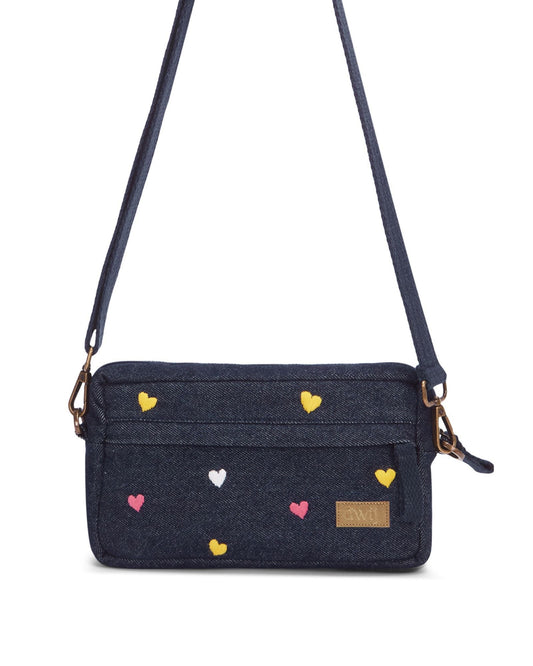
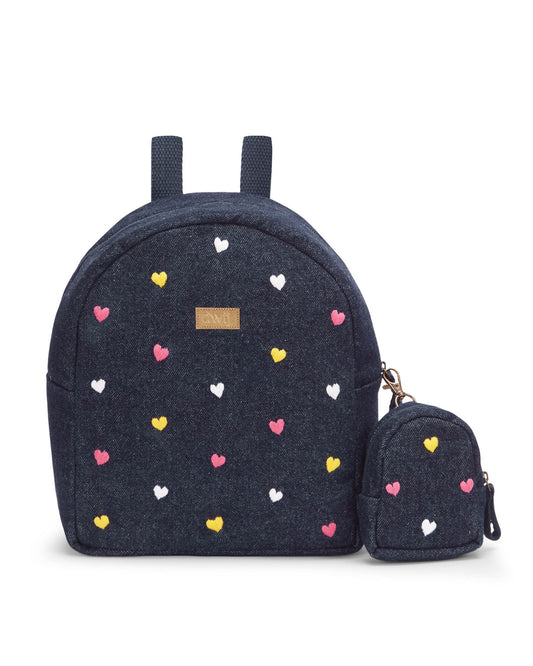
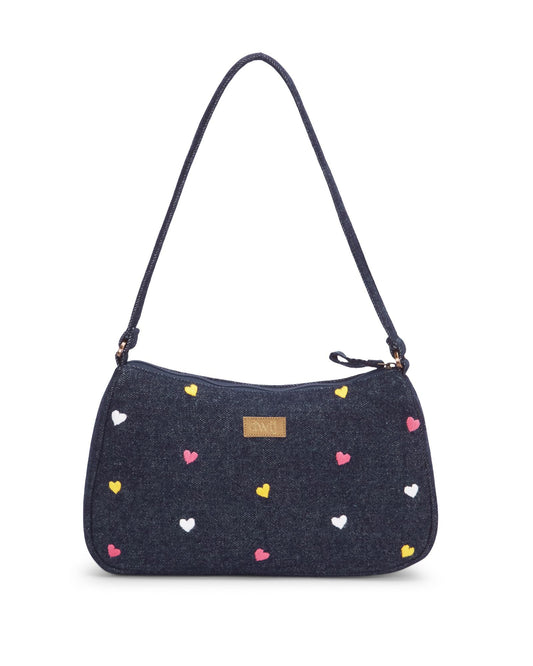
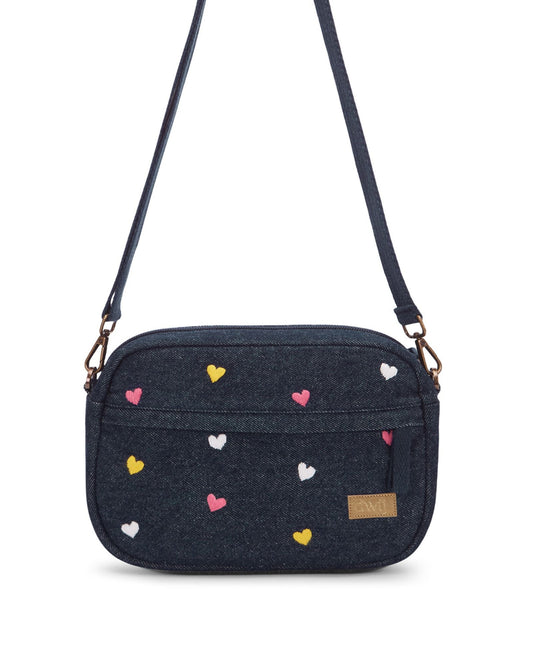
Selected panels are then enhanced with handcrafted Kantha embroidery, creating bags that celebrate both sustainability and India's rich textile heritage.
Because every denim panel is different, each embroidered piece is completely unique.
Natural fading, authentic textures, and hand stitching come together to create products that cannot be replicated through mass production.
Every Bag Carries Its Own Story
No two pairs of jeans have lived the same life.
No two artisans stitch in exactly the same way.

That means every Kantha bag produced at dwij has its own personality.
Each piece reflects:
-
Natural denim textures.
-
Authentic fading.
-
Individual hand stitching.
-
Traditional embroidery techniques.
-
Thoughtful craftsmanship.
Rather than hiding these differences, we celebrate them.
They are reminders that every product has already lived one life before beginning another.
Craftsmanship Designed to Last
At dwij, sustainability goes beyond using rescued materials.

A truly sustainable product should remain useful for years.
That's why we carefully select every component used in our handcrafted bags, including:
-
Premium Japanese YKK zippers and sliders.
-
Rust-free, non-corrosive metal fittings.
-
Durable stitching for everyday use.
-
Carefully chosen recycled support materials where needed.
Our products are handcrafted rather than mass manufactured, ensuring attention to detail at every stage of production.
Supporting a Low-Waste Future
India generates approximately 7,800 kilotonnes of textile waste every year.

Much of it ends up in landfills despite still containing valuable materials.
At dwij, we work to change that by transforming rescued denim into useful, long-lasting products.
We also strive to remain a low-waste brand by creatively using denim offcuts for patchwork and minimizing material waste throughout production.
This circular approach allows us to preserve valuable resources while creating products with purpose.
Why Kantha Still Matters Today
In today's fast-moving fashion industry, handcrafted embroidery offers something increasingly rare.

Time.
Care.
Connection.
Kantha reminds us that beautiful products do not have to be produced quickly.
They can be made thoughtfully, respecting both the people who create them and the materials they use.
At dwij, this philosophy continues to guide every collection we design.
Because true sustainability isn't only about reducing waste.
It's also about preserving the traditions that have always understood the value of using every thread with intention.
Final Thoughts
Kantha embroidery has survived for centuries because it represents more than decoration.
It represents resilience, creativity, and respect for materials.

At dwij, we're proud to carry that tradition forward by combining handcrafted Kantha embroidery with rescued denim to create products that are practical, beautiful, and made to last.
Every stitch honours the past.
Every product looks toward a more circular future.
That's the spirit of being twice born.
Frequently Asked Questions (FAQs)
1. What is Kantha embroidery?
Kantha embroidery is a traditional hand embroidery technique from West Bengal and Bangladesh that uses simple running stitches to create decorative and functional textile products.
2. How does dwij use Kantha embroidery?\
dwij combines handcrafted Kantha embroidery with rescued post-consumer jeans and post-industrial denim to create unique upcycled bags and accessories.
3. Why is Kantha considered sustainable?
Kantha originated as a method of repairing and reusing old textiles, making it one of India's earliest examples of textile upcycling and circular craftsmanship.
4. Are all Kantha bags at dwij handmade?
Yes. Selected dwij collections feature handcrafted Kantha embroidery completed by skilled artisans, making every product unique.
5. Why is every Kantha embroidered bag different?
Each bag uses unique pieces of upcycled denim along with individually hand-stitched embroidery, resulting in natural variations in texture, colour, and stitching.
6. How does dwij support artisans?
dwij collaborates with skilled artisans by incorporating handcrafted embroidery into selected collections, helping preserve traditional Indian craft while creating meaningful livelihood opportunities.
7. How does Kantha fit into dwij's sustainability philosophy?
Kantha reflects the same philosophy that inspires dwij, extending the life of existing materials through thoughtful craftsmanship, reducing textile waste, and creating products designed to last.