
In a world where fast fashion dominates closets and landfills continue to grow, traditional textile crafts are finding renewed appreciation for their beauty, sustainability, and cultural value. One such craft is Kantha embroidery, a timeless art form that transforms discarded fabrics into meaningful, handcrafted creations.
At Dwij, we deeply connect with the philosophy behind Kantha because it reflects the same values we stand for: upcycling, mindful living, craftsmanship, and giving materials a second life. Just as Dwij transforms discarded textiles into purposeful products, Kantha embroidery celebrates the beauty of reuse through handmade artistry.
The Origin of Kantha Embroidery
Kantha embroidery is a traditional South Asian folk craft that originated in regions of West Bengal, Bangladesh, and Odisha. The word “Kantha” is derived from the Sanskrit word kontha, meaning patched cloth or rags.
Historically, rural women layered old cotton sarees and soft worn-out fabrics together using simple running stitches to create quilts, blankets, wraps, and household textiles. What began as a necessity slowly evolved into a celebrated textile art form filled with storytelling, symbolism, and personal expression.
Unlike factory-made textiles, every Kantha piece carries emotion, patience, and individuality. These handcrafted creations often became family heirlooms, gifted during weddings, childbirth celebrations, and important life moments.
For brands like Dwij, this philosophy resonates strongly. We believe waste should never be the end of a material’s journey. Instead, discarded fabrics deserve transformation a second life filled with beauty and utility.
What Makes Kantha Embroidery Unique?
The heart of Kantha embroidery lies in its simplicity. The craft mainly uses a running stitch sewn repeatedly across layered fabrics. Thousands of tiny stitches create the signature rippled texture that makes Kantha visually distinctive and rich in character.
What makes this art timeless is that no two pieces are exactly alike. Every stitch reflects the artisan’s hand, rhythm, and creativity.
Traditional Kantha embroidery often includes motifs inspired by:
-
Nature and flowers
-
Lotus patterns
-
Birds and animals
-
Village life scenes
-
Waves, boats, and suns
-
Geometric and folk designs
These motifs transform fabric into visual storytelling.
At Dwij, we admire how Kantha preserves imperfections instead of hiding them. Similarly, our upcycled creations celebrate the authentic textures, fading, and individuality of reclaimed textiles rather than chemically altering them.
Kantha Embroidery and Sustainable Fashion
Today, Kantha embroidery has become globally popular not just for its artistic appeal but also for its sustainability. Long before “eco-friendly fashion” became a trend, Kantha represented a zero-waste lifestyle.

Instead of discarding worn fabrics, artisans reused and reimagined them into functional products. This circular approach aligns perfectly with modern sustainable living.
At Dwij, sustainability is not a marketing concept it is our foundation. We rescue post-consumer and post-industrial textiles and transform them into handcrafted products designed for durability and longevity.
Much like Kantha artisans once reused old sarees, Dwij gives discarded denim and textile scraps a meaningful second life through conscious design and craftsmanship.
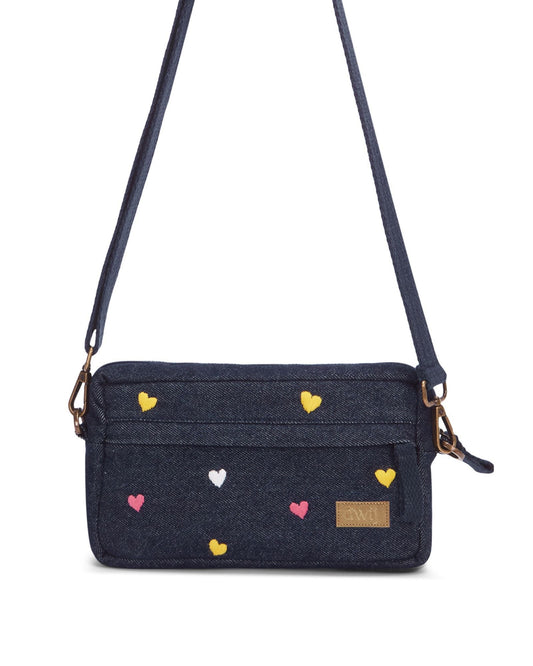
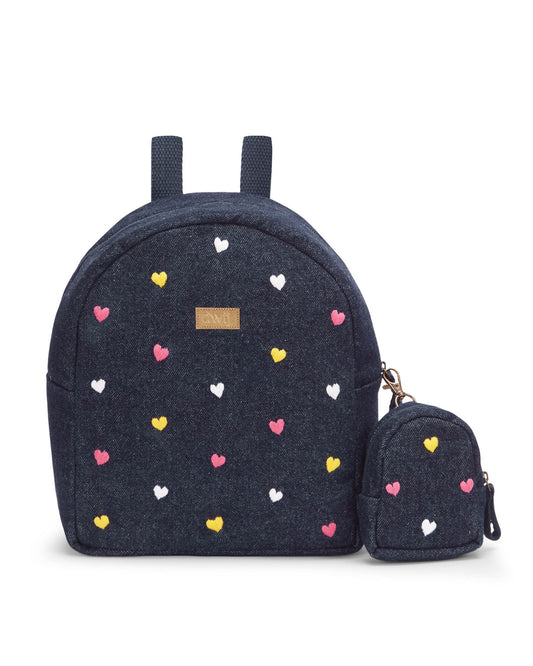
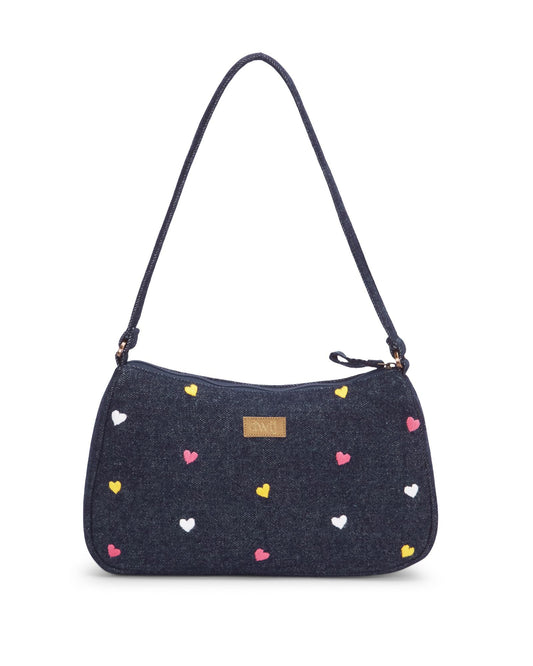
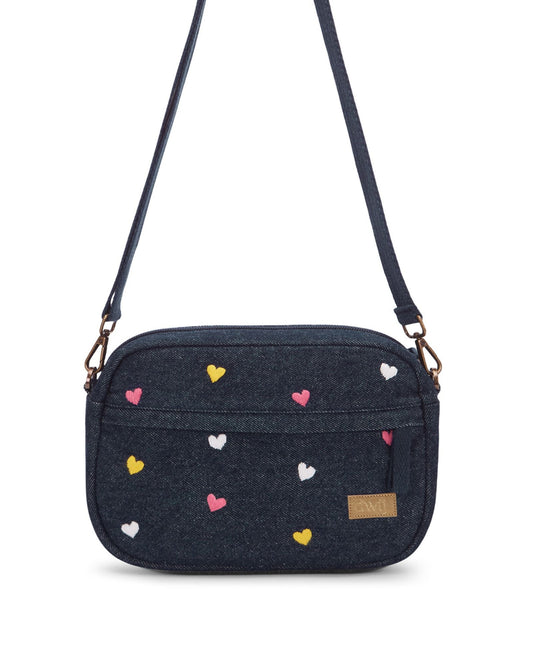
This growing appreciation for handmade and upcycled fashion has also increased interest in accessories inspired by traditional crafts, including stylish and eco-conscious Kantha Embroidery bags that combine heritage artistry with modern functionality.
Modern Uses of Kantha Embroidery
Kantha embroidery has beautifully evolved from rural household utility into contemporary fashion and interior design.

Today, Kantha techniques are widely used in:
-
Quilts and blankets
-
Sarees and dupattas
-
Scarves and jackets
-
Cushion covers
-
Table runners
-
Handmade fashion accessories
-
Kantha Embroidery bags
-
Sustainable home décor products
The charm of Kantha lies in its versatility. Whether used in minimal modern interiors or contemporary fashion, it adds warmth, texture, and handcrafted authenticity.
At Dwij, we believe handcrafted products create emotional value that mass-produced items cannot replicate. Every handmade stitch, patch, and fabric variation tells a story of mindful creation and conscious consumption.
Why Handmade Crafts Matter More Today
Consumers today are becoming increasingly aware of the environmental cost of overconsumption. Textile waste has become a major global concern, with India alone generating thousands of kilotonnes of textile waste every year.

Traditional crafts like Kantha embroidery remind us that sustainability is not new it has existed in Indian culture for generations.
By choosing handcrafted and upcycled products, consumers actively support:
-
Artisan communities
-
Slow fashion practices
-
Reduced textile waste
-
Ethical production methods
-
Circular economy systems
At Dwij, our philosophy “From Waste to Wonder” reflects this mindset. Every product we create supports a regenerative approach where discarded materials become valuable again.
Kantha embroidery beautifully represents this same transformation turning forgotten fabric into timeless art.
How to Care for Kantha Embroidery Products
Since Kantha products are handmade and delicate, proper care helps preserve their beauty and longevity.
Here are some simple care tips:
-
Wash gently in cold water
-
Use mild detergent only
-
Avoid harsh bleach or chemicals
-
Air dry naturally
-
Store in a dry place away from moisture
Handcrafted textiles age gracefully when cared for properly, often becoming softer and more beautiful over time.
The Timeless Beauty of Kantha
Kantha embroidery is more than decoration it is a philosophy of reuse, storytelling, patience, and mindful craftsmanship. It teaches us that beauty does not come from perfection or excess, but from creativity, care, and transformation.
At Dwij, we celebrate this same spirit through our handcrafted upcycled products made from rescued textiles and conscious design practices. Like Kantha, every Dwij creation carries a story, a purpose, and a commitment to sustainability.
As the world moves toward more responsible living, timeless crafts like Kantha embroidery continue to inspire a future where fashion respects both people and the planet.
FAQs
1. What is Kantha embroidery?
Kantha embroidery is a traditional hand-stitch embroidery technique from West Bengal, Bangladesh, and Odisha that uses simple running stitches on layered fabrics to create decorative and functional textiles.
2. Why is Kantha embroidery considered sustainable?
Kantha embroidery is sustainable because it traditionally repurposes old fabrics and garments into new handmade products, reducing textile waste through upcycling.
3. What products are made using Kantha embroidery?
Kantha embroidery is commonly used for quilts, sarees, scarves, cushion covers, jackets, home décor items, and Kantha Embroidery bags.
4. How is Kantha embroidery different from machine embroidery?
Kantha embroidery is entirely handmade using repetitive running stitches, giving every piece a unique texture, irregularity, and artisanal character that machine embroidery cannot replicate.
5. How should I wash and maintain Kantha products?
Kantha products should be washed gently in cold water with mild detergent and air dried naturally to preserve the handcrafted stitching and fabric quality.