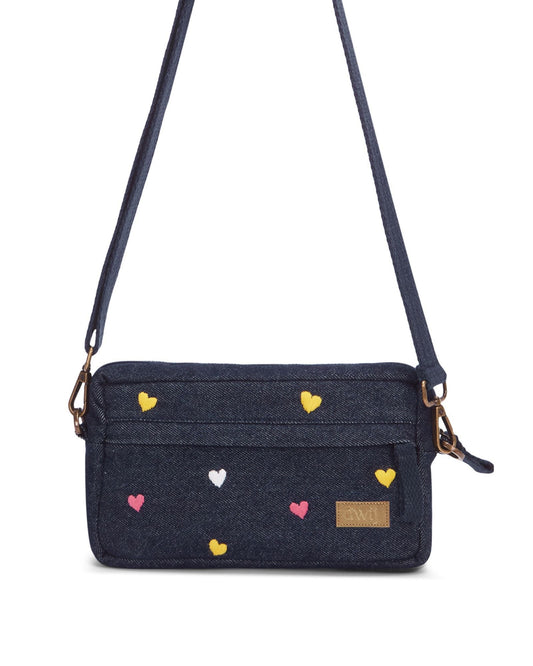

India's rich textile heritage is celebrated across the world, but few crafts are as vibrant, detailed, and culturally significant as Kutch embroidery. Originating from the arid Kutch region of Gujarat, this centuries-old handicraft is renowned for its intricate needlework, vibrant colors, geometric patterns, and iconic mirror work.
At Dwij, we believe that every handcrafted detail tells a story. Much like our philosophy of transforming textile waste into meaningful products, Kutch embroidery represents the preservation of tradition, craftsmanship, and cultural identity through every stitch. Today, this beautiful art form continues to inspire artisans, designers, and conscious consumers looking for products that combine heritage with purpose.
In this guide, we'll explore the history, techniques, styles, and modern applications of Kutch embroidery, including why kutch embroidery bags and kutch work bags online have become popular among lovers of handmade and sustainable fashion.
What Is Kutch Embroidery?
Kutch embroidery is a traditional textile art form practiced in the Kutch district of Gujarat, India. Characterized by colorful threadwork, intricate geometric motifs, and decorative mirror embellishments, this embroidery style has been passed down through generations of artisan communities for centuries.

What makes Kutch embroidery unique is its ability to combine functionality with artistic expression. Historically, women used embroidery to decorate garments, household textiles, and ceremonial items, often spending years creating pieces that became treasured family heirlooms.
Today, Kutch embroidery remains one of India's most celebrated handicrafts and provides a sustainable source of income for thousands of rural artisans.
The History and Origins of Kutch Embroidery
The roots of Kutch embroidery can be traced back to the 16th and 17th centuries. Historians believe the craft was introduced by nomadic tribes and pastoral communities that migrated through regions of Central Asia, Sindh, and Rajasthan before settling in Kutch.
Over time, different communities developed their own distinct embroidery styles, motifs, and stitching techniques. Embroidery became an essential part of daily life and played a particularly important role in traditional bridal trousseaus. Young women would spend years creating embroidered garments, Stree-dhan items, wall hangings, and household textiles that showcased their skill and creativity.

Despite modernization, Kutch embroidery continues to thrive because of the dedication of artisan communities who preserve these techniques and pass them on to future generations.
Signature Features of Kutch Embroidery
Several characteristics distinguish Kutch embroidery from other forms of Indian needlework.
Mirror Work (Abhla Bharat)
One of the most recognizable elements of Kutch embroidery is mirror work, locally known as Abhla Bharat. Small mirrors are carefully stitched into the fabric using intricate thread patterns.
Traditionally, mirrors were believed to reflect negative energy and bring prosperity. In the desert landscape of Kutch, they also catch and reflect sunlight, adding sparkle and dimension to garments and accessories.
Vibrant Color Palette
Kutch embroidery is known for its bold use of colors. Common shades include:
-
Deep red
-
Indigo blue
-
Bright yellow
-
Green
-
Ivory
-
Black
These colors often symbolize prosperity, nature, celebration, and cultural identity.
Detailed Hand Stitching
Artisans use various embroidery stitches to create texture and complexity, including:
-
Chain stitch
-
Herringbone stitch
-
Satin stitch
-
Buttonhole stitch
The combination of these techniques creates visually striking patterns that showcase exceptional craftsmanship.
The Six Distinct Styles of Kutch Embroidery
One of the most fascinating aspects of Kutch embroidery is the diversity of styles developed by different communities.
1. Suf Embroidery
Suf is a highly mathematical embroidery style known for its geometric precision.
Artisans count fabric threads and work from the reverse side to create intricate triangular patterns without drawing any outlines. The result is a remarkably symmetrical and detailed design.
2. Khaarek Embroidery
Khaarek embroidery features bold geometric motifs formed through counted-thread techniques.
The designs often create dense, square-like patterns that fill large portions of the fabric, producing a strong visual impact.
3. Paako Embroidery
The word "Paako" means "solid" or "strong."
This style is characterized by dense embroidery, bold outlines, and highly structured motifs created using square chain stitches. Paako embroidery is often considered one of the most durable forms of Kutch work.
4. Rabari Embroidery
Practiced by the nomadic Rabari community, this style is expressive and bold.
Rabari embroidery typically includes larger mirrors, chain stitches, and motifs inspired by desert life, including camels, birds, mangoes, and floral forms.
5. Mutva Embroidery
Mutva embroidery is renowned for its extraordinary precision.
Featuring microscopic mirror work and incredibly fine stitching, artisans may create up to 72 tiny stitches per inch. This level of craftsmanship makes Mutva embroidery one of the most intricate textile arts in India.
6. Ahir Embroidery
Often described as the "poetry of shepherds," Ahir embroidery uses flowing chain and herringbone stitches to depict floral patterns, dancing figures, cattle, and scenes from rural life.
 Its graceful motifs and vibrant colors make it one of the most recognizable Kutch embroidery styles.
How Kutch Embroidery Is Used Today
Although traditionally found on ghagra cholis, veils, and ceremonial garments, Kutch embroidery has evolved to suit contemporary lifestyles.
Today, artisans and designers incorporate Kutch work into a wide range of products.
Apparel
Modern fashion brands use Kutch embroidery on:
-
Dresses
-
Kurtis
-
Jackets
-
Skirts
-
Scarves
These garments blend traditional craftsmanship with contemporary design.
Home Decor
Handcrafted Kutch embroidery is frequently used for:
-
Cushion covers
-
Wall hangings
-
Table runners
-
Torans (door decorations)
These products bring color and cultural richness into modern homes.
Accessories
Perhaps one of the most popular modern applications is the creation of kutch embroidery bags and fashion accessories. These include:
-
Tote bags
-
Sling bags
-
Clutches
-
Pouches
-
Wallets
A beautifully handcrafted kutch work bag combines heritage craftsmanship with everyday practicality, making it a timeless accessory.
Why Kutch Embroidery Bags Are Growing in Popularity
Consumers today are increasingly seeking products that are handmade, authentic, and environmentally conscious.
Unlike mass-produced accessories, kutch embroidery bags showcase hours of skilled craftsmanship and carry cultural significance. Every piece reflects the artisan's expertise and tells a story through its patterns, colors, and stitching techniques.
 For conscious shoppers looking to support traditional artisans, purchasing kutch work bags online provides an opportunity to preserve heritage crafts while choosing products that are unique and long-lasting.
Kutch Embroidery and Sustainable Fashion
At Dwij, sustainability is rooted in craftsmanship and thoughtful consumption. While our focus is on creating upcycled products from rescued textiles, we deeply value traditional crafts like Kutch embroidery because they share similar principles.
Both upcycling and embroidery prioritize:
-
Skilled handcraftsmanship
-
Slow and intentional production
-
Longevity over disposability
-
Cultural preservation
-
Reduced reliance on mass manufacturing
A handcrafted kutch work bag embodies these values by celebrating artisan skills while encouraging consumers to invest in products designed to last.
Why Handcrafted Products Matter
In a world increasingly dominated by fast fashion and machine-made goods, handmade products offer something rare, authenticity.
 Whether it's a handcrafted embroidered bag or one of Dwij's thoughtfully designed upcycled accessories, every handmade product carries a story, a human connection, and a commitment to quality.
Supporting artisan-made products helps preserve centuries-old traditions while creating sustainable livelihoods for craft communities.
Final Thoughts
Kutch embroidery is much more than decorative needlework. It is a living tradition that reflects the culture, history, and resilience of Gujarat's artisan communities.
From intricate mirror work and vibrant colors to the six distinctive embroidery styles, every aspect of Kutch embroidery showcases extraordinary craftsmanship. Today, products such as kutch embroidery bags and kutch work bags online allow modern consumers to carry a piece of this rich heritage into their everyday lives.
At Dwij, we celebrate the value of craftsmanship, sustainability, and thoughtful design. Whether through traditional embroidery or innovative upcycling, we believe every product should honor the hands that create it and the materials that make it possible.
Frequently Asked Questions
1. What is Kutch embroidery famous for?
Kutch embroidery is famous for its intricate hand stitching, vibrant colors, geometric motifs, and decorative mirror work that reflect the cultural heritage of Gujarat.
2. What is a Kutch work bag?
A kutch work bag is a handcrafted bag decorated with traditional Kutch embroidery techniques, often featuring colorful threadwork and mirror embellishments.
3. Are Kutch embroidery bags handmade?
Yes. Authentic kutch embroidery bags are handcrafted by skilled artisans who use traditional embroidery techniques passed down through generations.
4. Where can I buy Kutch work bags online?
You can find kutch work bags online through artisan collectives, fair-trade platforms, handicraft marketplaces, and brands that support traditional Indian craftsmanship.
5. Why are Kutch embroidery bags considered sustainable?
Kutch embroidery bags are often handmade in small batches, support artisan livelihoods, preserve traditional crafts, and promote slow fashion principles that reduce dependence on mass-produced products.