
Clothing is a part of our everyday lives, but what happens when we no longer need it? Most old clothes end up in landfills, contributing to one of the biggest environmental problems today, textile waste.
Instead of throwing them away, there are smarter and more sustainable alternatives like creating upcycled products. Understanding the impact of discarded clothing can help us make more conscious choices.
1. Textile Waste Is Growing Rapidly
The fashion industry produces millions of tons of waste every year. A large portion of this comes from clothes that are discarded after minimal use.

When old garments are thrown away:
-
They take years to decompose
-
Synthetic fabrics release microplastics
-
Landfills become overloaded
Choosing upcycled denim products instead helps reduce this growing waste problem.
2. Clothes Take Years to Break Down
Not all fabrics decompose quickly. While natural fibers like cotton take time, synthetic materials can take decades.

Discarded clothing often:
-
Sits in landfills for years
-
Releases harmful substances into the soil
-
Contributes to long-term environmental damage
By turning old garments into upcycled denim jeans products, we extend the life of existing materials instead of adding to waste.
3. High Water Consumption in Clothing Production
Most people don’t realize how much water goes into making clothes.

For example:
-
Cotton farming requires large amounts of water
-
Dyeing processes consume even more
-
Finishing treatments add to the total usage
When we throw away clothes, we are also wasting all the resources used to make them. Creating upcycled products helps conserve water by reusing existing fabric. Reusing existing materials is an effective way to reduce the environmental impact of denim by avoiding the need for resource-intensive production.
4. Carbon Footprint of Fast Fashion
The fashion industry is a major contributor to carbon emissions.

Producing new clothing involves:
-
Manufacturing processes
-
Transportation
-
Energy consumption
In contrast, upcycled denim products skip most of these steps, significantly reducing environmental impact.
Brands like dwij focus on creating products from existing denim, helping lower the carbon footprint associated with fashion. This approach also helps reduce the environmental impact of denim by minimizing energy consumption and manufacturing emissions.
5. Upcycling Gives Clothes a Second Life
Instead of discarding old garments, upcycling transforms them into something new and useful.

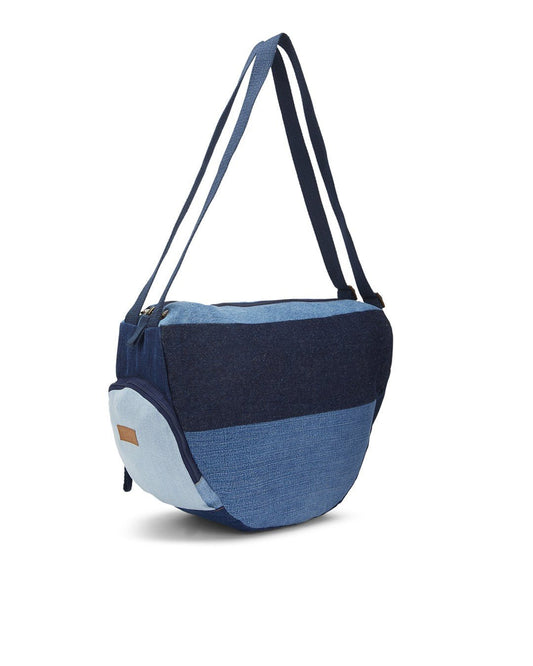
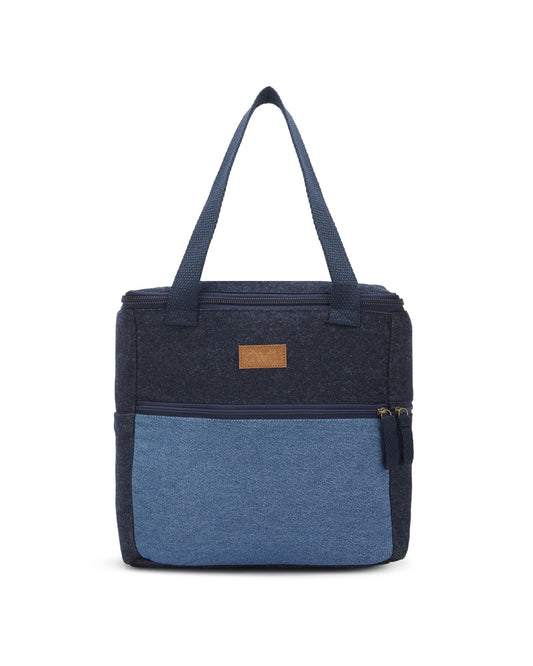
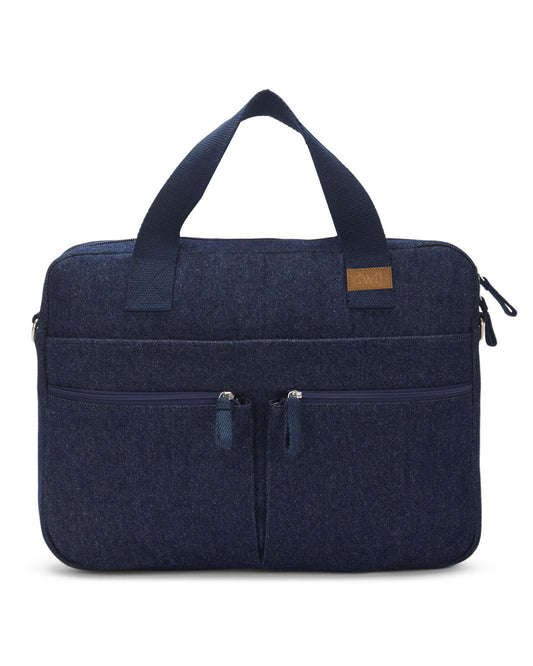
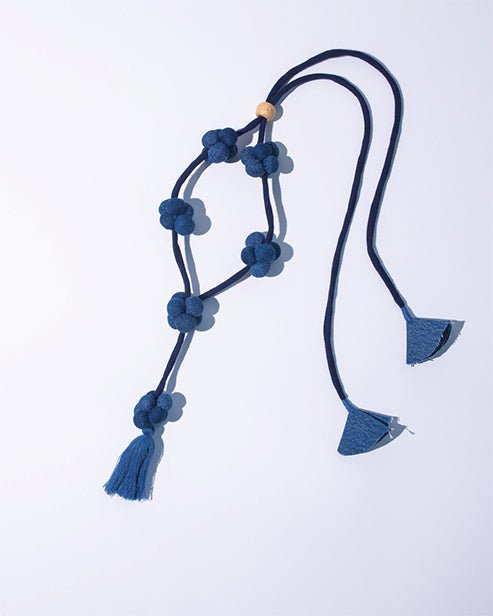
Examples of upcycled denim jeans products include:
-
Bags and totes
-
Accessories
-
Home décor items
This approach not only reduces waste but also creates unique, one-of-a-kind products.
6. Reduces the Need for New Production
Every time we reuse fabric, we reduce the demand for new raw materials.

Choosing upcycled products means:
-
Less cotton farming
-
Fewer chemical processes
-
Reduced industrial impact
Sustainable brands like dwij are built around this idea, creating stylish products while minimizing environmental harm. Reducing the demand for new materials is one of the most practical ways to lessen the environmental impact of denim across its entire lifecycle.
7. Encourages Conscious Consumer Behavior
When people understand the impact of textile waste, they begin to make better choices.

Instead of throwing away clothes, they:
-
Donate or reuse garments
-
Support sustainable brands
-
Choose upcycled denim products
This shift toward conscious consumption plays a key role in reducing environmental damage. Greater awareness of the environmental impact of denim encourages consumers to choose more sustainable and long-lasting alternatives.
8. Upcycled Products Are Unique & Meaningful
Unlike mass-produced items, upcycled pieces often carry a story.
Every product made from old denim has:
-
Unique textures and fades
-
Individual character
-
Thoughtful craftsmanship
At dwij, each piece created from upcycled denim reflects creativity, sustainability, and purpose.
Why Keeping Old Clothes Matters
Throwing away clothes may seem convenient, but it has long-term consequences for the environment. Reusing and repurposing materials helps reduce waste, conserve resources, and lower carbon emissions.
Choosing upcycled denim jeans products is a simple yet impactful way to support sustainability. It turns what was once considered waste into something valuable and usable. Every upcycled purchase helps reduce the environmental impact of denim while supporting a more circular and responsible fashion industry.

With brands like dwij promoting upcycled products, making eco-friendly choices has never been easier or more stylish.
FAQs: Old Clothes & Sustainability
1. Why should we not throw away old clothes?
Throwing away clothes increases landfill waste and environmental pollution. Reusing or converting them into upcycled products is a more sustainable option.
2. What are upcycled denim products?
Upcycled denim products are items made by reusing old denim garments, such as jeans, to create new products like bags or accessories.
3. How do upcycled denim jeans products help the environment?
They reduce waste, conserve water, and lower carbon emissions by avoiding new production processes.
4. Can old clothes be reused creatively?
Yes. Old clothes can be transformed into upcycled products like bags, home décor, and accessories.
5. Where can I find sustainable upcycled products?
Brands like dwij create thoughtfully designed upcycled denim products that combine style with environmental responsibility.