
Look closely at your favourite pair of jeans.
The lighter patches near your knees.
The softened edges around your pockets.
The faded lines where your phone sits every day.
The subtle creases behind your knees.
None of these happened by accident.
Together, they form something denim enthusiasts often call a fade map, a unique pattern of wear created by your daily life.
No factory can recreate it exactly.
No two pairs ever fade the same way.
Your jeans are quietly recording where you've been, what you carry, how you move, and the routines that shape your days.
What Is a Fade Map?
A fade map is the collection of natural wear patterns that develop on denim over time.
Unlike fashion trends that come and go, these marks aren't intentionally designed after you buy the jeans.
They're created by you.
Every walk.
Every commute.
Every journey.
Every habit.
As the indigo dye gradually wears away, the lighter cotton underneath begins to appear, creating patterns that are completely unique to the wearer.
It's why two people can buy the exact same pair of jeans on the same day and end up with completely different-looking denim years later.
Every Habit Leaves a Mark
Denim pays attention.
If you always keep your phone in your front pocket, you'll probably notice that area fading first.
If you cycle to work, your jeans may develop distinctive wear around the thighs.
If you kneel often, your knees may lighten long before the rest of the fabric.
Wallets leave outlines.
Keys create soft abrasions.
Even the way you sit influences how your denim ages.
Without realizing it, you're creating a visual diary.
Why Denim Lovers Celebrate Fades
In many industries, signs of wear are treated as flaws.
Denim has long challenged that idea.
For denim enthusiasts, natural fades are evidence that a garment has been worn, loved, and lived in.
The patterns aren't imperfections.
They're proof of a relationship between the fabric and the person wearing it.
Every crease tells a story.
Every faded edge reflects countless everyday moments.
No two stories are the same.
Why Artificial Distressing Can Never Replace Natural Wear
Many jeans are sold with factory-made fading and distressed effects.
While they may imitate years of use, they cannot replicate the individuality of genuine wear.
Natural fade maps develop slowly.
They're influenced by movement, lifestyle, climate, and time.
That's why authentic fades feel personal.
They cannot be copied because they belong to one person alone.
The Beauty of Denim That Ages With You
Unlike many materials that simply wear out, denim often becomes more comfortable with time.
It softens.
It adapts.
It reflects the way it's used.
That's one reason vintage denim remains so admired.
Its character isn't manufactured.
It's earned.
Every faded seam represents years of everyday experiences rather than months on a store shelf.
At dwij, We See Character Not Imperfection
At dwij, we don't see faded denim as damaged.
We see it as history.

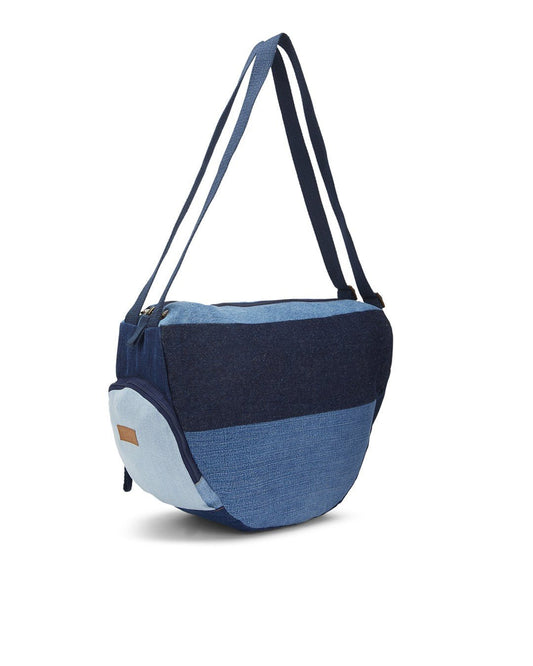
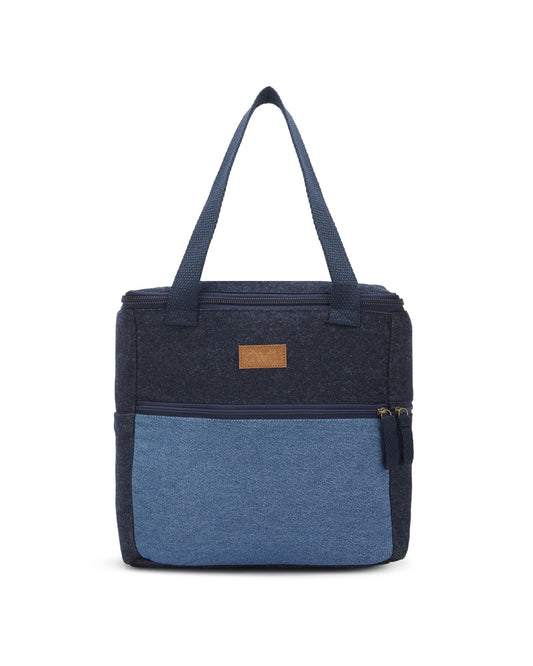
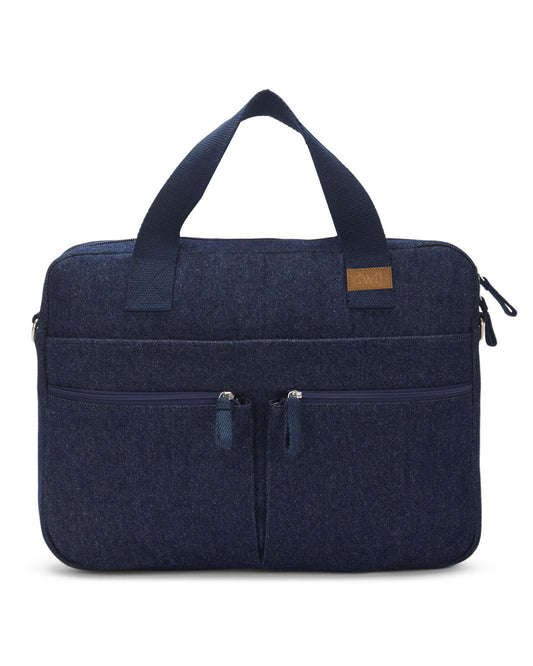
Every rescued pair of jeans that enters our workshop becomes part of our collection of post-consumer jeans bags, carrying its history into a meaningful second life.
A softened pocket may hint at years of daily commutes.
A naturally faded knee might reflect countless hours spent working, playing, or travelling.
The worn texture, subtle color variations, and visible signs of use aren't flaws we try to hide.
They're reminders that the material has already lived one meaningful life.
That's why we don't chemically recreate "perfect" denim.
Instead, we honour its authentic character and allow it to become part of something new. This reflects one of dwij's core values: fade, wear, and character are celebrated not disguised.
A Second Life Doesn't Erase the First
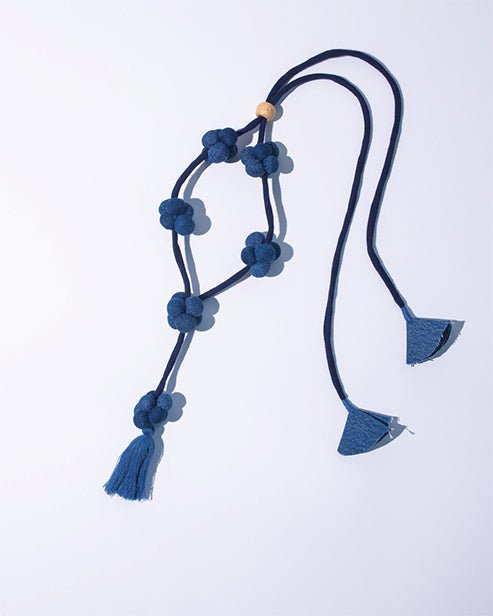
When we transform rescued denim into post-consumer jeans bags, accessories, and home goods, we aren't erasing its past.

We're continuing it.
The pocket that once carried someone's keys may now become the front of a backpack.
A beautifully faded panel may become part of a tote bag.
Every patch of denim brings its own history into its next life.
That's the philosophy behind our name, द्वि ज (dwij)—"twice born."
Every product begins with material that already has a story and is thoughtfully redesigned to begin another.
Why We Don't Chase Perfection
Modern manufacturing often aims for uniformity.
Identical colours.
Identical textures.
Identical finishes.

At dwij, we believe individuality is more meaningful.
Because every pair of rescued jeans fades differently, every one of our post-consumer jeans bags is naturally one of a kind.
One bag may feature deep indigo.
Another may showcase soft vintage blues.
Another may carry distinctive fade marks that could never be recreated.
Those differences aren't inconsistencies.
They're authenticity is made visible.
It's why no two dwij products are ever exactly alike and why we wouldn't want them to be.
Your Story Doesn't End When Your Jeans Do
Eventually, every pair of jeans reaches the end of its first journey.

But that doesn't mean its story has to end.
The fade map remains.
The character remains.
The memories remain.
At dwij, we simply give that story another chapter through our post-consumer jeans bags and handcrafted denim products.
Because the most beautiful materials aren't always the newest.
Sometimes, they're the ones that have already lived a life.
Frequently Asked Questions (FAQs)
What is a fade map on jeans?
A fade map is the unique pattern of fading and wear that develops on denim through everyday use. These marks are created naturally over time based on how a person wears, moves, and uses their jeans.
Why do jeans fade differently for everyone?
Every person's lifestyle is different. Walking, cycling, carrying a phone or wallet, sitting posture, and daily routines all affect how denim wears over time. This creates a fade pattern that is unique to each wearer.
Are faded jeans a sign of poor quality?
Not at all. Natural fading is often considered a sign that denim has been genuinely worn and enjoyed. Many denim enthusiasts value authentic fade patterns because they reflect the history and character of the garment.
Why doesn't dwij hide faded denim?
At dwij, faded textures and visible wear are celebrated as authentic character rather than flaws. Instead of using chemicals to create artificial effects, we preserve the natural history of rescued denim and give it a meaningful second life through handcrafted products.
What does "dwij" mean?
The name dwij (द्वि ज) means "twice born" in Sanskrit. It represents the belief that discarded materials, like old jeans, can begin a meaningful second life through thoughtful design and skilled craftsmanship.
Why are no two dwij products exactly alike?
Every dwij product is made from rescued post-consumer jeans and reclaimed denim. Since each pair of jeans has its own fade map, texture, and history, every handcrafted product is naturally unique, carrying visible signs of its previous life