
Every product has a story.
At the dwij workshop in Mumbai, that story begins long before a bag reaches your hands. It starts with a pair of discarded jeans, skilled craftsmanship, and a belief that waste deserves a second life.
A typical day at our behind the scenes denim workshop Mumbai is a blend of creativity, precision, and purpose. From sorting rescued denim to handcrafting bags, laptop sleeves, home décor, and accessories, every step reflects our commitment to circular design, quality, and longevity.
If you've ever wondered what happens behind the scenes at dwij, here's a look inside our workshop.
More Than a Workshop: A Circular Design Studio
At dwij, our workshop isn't a factory focused on mass production.
It's a space where discarded materials become thoughtfully designed products.
Inspired by our name dwij (द्वि = Twice, ज = Born), meaning "second life", we rescue post-consumer jeans, post-industrial denim, and recycled PET felt to create products that are functional, durable, and designed to last.
Every day begins with the same purpose:
Turn waste into something worth carrying.
From Rescued Denim to New Possibilities
Every journey at the dwij workshop begins with rescued materials.

We work with:
-
Recycled PET felt
No two pieces are ever the same.
Some carry deep indigo washes.
Some have naturally faded textures.

Others feature original pockets, seams, or stitching that later become part of a new design.
Instead of seeing discarded materials as waste, we see their potential for a second life.
This is where every dwij product begins.
Every Piece Starts Clean
Before any denim reaches our workshop, it is rigorously industrially pre-washed by our sourcing partners to ensure it meets high hygiene standards.
Only after this process is complete does the material enter the dwij workshop for design and production.
This ensures every product is crafted from clean, fresh, and carefully prepared fabric while extending the life of existing textiles.
At dwij, upcycled never means compromised.
Every Cut Is Planned by Hand
Unlike mass manufacturing, there is no standard pattern for upcycled denim.
Every pair of jeans is different.
That means every cut requires careful planning.
Our team studies:
-
Fabric strength
-
Natural fading
-
Existing seams
-
Pocket placement
-
Usable fabric area
The goal is to maximise material while minimising waste.
Each panel is cut individually so the authentic character of the denim becomes part of the final product.
This handcrafted approach ensures no two dwij products are identical.
Crafting Products That Last
Once the denim has been thoughtfully prepared and cut, our artisans begin transforming it into products designed for everyday life.
Depending on the collection, we create:
Every stitch is placed with longevity in mind.

We don't believe sustainability ends with using rescued materials.
A product must also last.
That's why every element from premium hardware and durable stitching to thoughtfully chosen linings is selected to create products that remain useful for years.
Thoughtfully Chosen Materials, Built to Last
At dwij, every material and component is selected with longevity in mind.
Our products feature:
-
Premium quality Japanese YKK zippers and sliders for smooth, reliable performance.
-
Rust-free, non-corrosive white metal fittings that withstand everyday use.
-
Recycled PET felt in selected products to provide structure while reducing water absorption.
-
Carefully rescued post-consumer and post-industrial denim that already carries years of proven durability.
We believe sustainability isn't just about choosing recycled materials, it's also about creating products that people can rely on for years. Choosing durable components helps reduce the need for frequent replacements, making every product a longer-lasting companion.
Honouring Handmade Craftsmanship
Every dwij product is handcrafted rather than mass manufactured.
Because every piece of denim is unique, each product is individually handled, cut, and stitched with care.
Many of our collections also celebrate India's rich textile heritage through handcrafted embroidery created by skilled artisans. Over the years, we've introduced collections featuring:
-
Kantha hand embroidery, known for its beautiful running stitches and layered storytelling.

-
Kutch hand embroidery, inspired by the vibrant embroidery traditions of Gujarat and celebrating intricate handcrafted detailing.

-
Heart hand embroidered collection, where every embroidered heart adds a personal, handcrafted touch to the product.

These handcrafted details do more than enhance the aesthetics of our products, they help preserve traditional craft techniques while creating meaningful livelihood opportunities for artisans.
For us, craftsmanship is not simply decoration. It's a way of keeping India's rich textile traditions alive while creating products with character, purpose, and longevity.
A Low-Waste Approach to Every Product
Creating sustainably means making the most of every material we rescue.
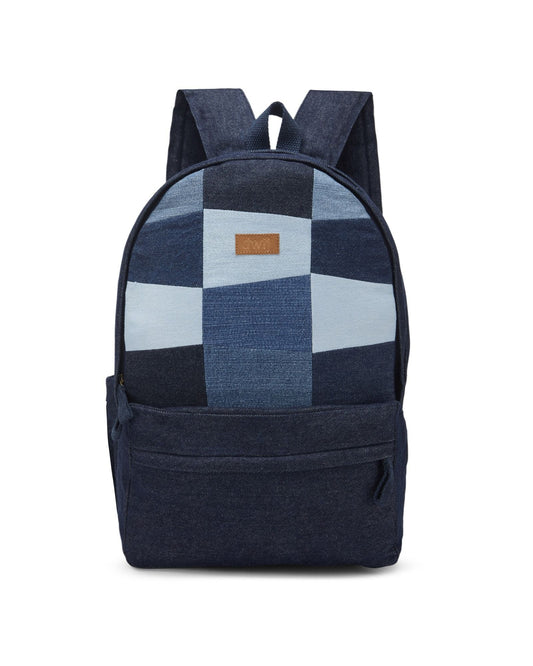
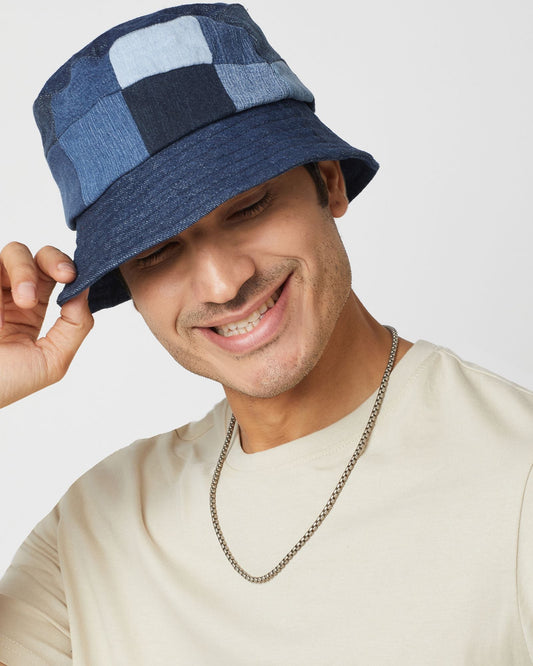
Rather than discarding usable denim scraps, we strive to incorporate them wherever possible. Small offcuts often become part of our signature patchwork designs, giving new purpose to materials that might otherwise become waste.
This low-waste approach allows us to:
-
Maximise the use of rescued denim.
-
Reduce production waste.
-
Create one-of-a-kind patchwork products.
-
Celebrate the natural diversity of every piece of denim.
Instead of striving for perfect uniformity, we embrace variation because every rescued fabric has value.
Every Product Carries an Impact
Our workshop is more than a place where products are made.
It's where environmental impact is reduced every single day.
India generates around 7,800 kilotonnes of textile waste annually, much of which ends up in landfills or is incinerated.
By rescuing post-consumer denim and industrial scraps, we're helping extend the life of existing materials instead of demanding new ones.
This circular approach has helped dwij save 30,353 kilograms of CO₂ emissions which is sequestered carbon equivalent to 502 tree seedlings grown for 10 years, in just one financial year, FY2024-25.
That's the power of giving denim a second life.
Why Every dwij Product Is Unique
No two pairs of jeans fade the same way.
No two pieces of denim carry the same history.
That's why no two dwij products are identical.
Every bag, laptop sleeve, pouch, or accessory reflects:
-
Natural fading
-
Original stitch lines
-
Authentic denim textures
-
Handcrafted details
Instead of hiding these differences, we celebrate them.
They're proof that the material has already lived one life and is ready for another.
Final Thoughts
A behind the scenes denim workshop Mumbai experience isn't about fast production or identical products.
It's about slowing down.
Paying attention.
Respecting materials.
Creating thoughtfully.
Every morning, our workshop begins with discarded denim.
By the end of the day, those same materials have become products designed to last for years.
At dwij, that's what "twice born" truly means.
Not just giving denim a second life.
But giving waste a better future.
Frequently Asked Questions (FAQs)
What happens inside the dwij workshop?
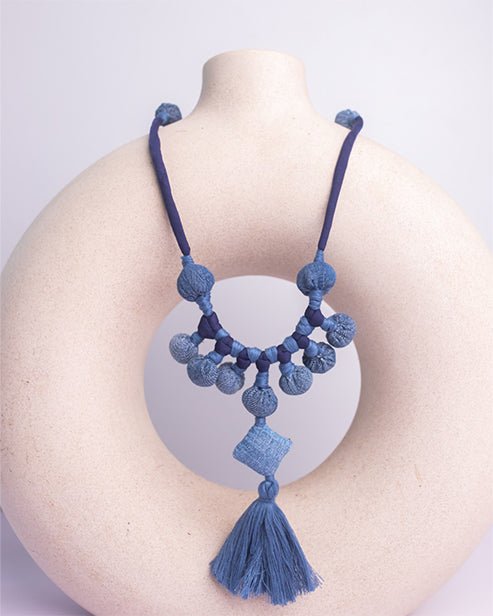
The dwij workshop transforms post-consumer jeans and post-industrial denim into handcrafted bags, laptop sleeves, home décor, jewellery, toys, and utility accessories through a low-waste production process.
Where is the dwij workshop located?
The dwij workshop is based in Mumbai, India, where every product is handcrafted using rescued denim and circular design principles.
Why are no two dwij products the same?
Every product is made from unique pieces of upcycled denim, each with its own natural fading, stitching, and texture.
How does dwij maintain hygiene when using old jeans?
All rescued denim is rigorously pre-washed using industrial washing methods before entering production to ensure high hygiene standards.
What is the design for disassembly?
Design for disassembly is dwij's approach to creating products so their materials can be more easily separated for recycling or future upcycling at the end of their useful life.
How does dwij reduce textile waste?
By rescuing post-consumer jeans, post-industrial denim, and reusing fabric offcuts wherever possible, dwij helps divert textile waste from landfills while extending the life of existing materials.