
What happens to a pair of jeans before it becomes an upcycled bag?
It gets cut but not randomly.
At dwij, cutting is one of the most important stages in turning discarded denim into a functional new product. Before a pair of jeans can become a bag, pouch or accessory, the material has to be inspected, sorted, marked and carefully cut according to the design.
This is where an old pair of jeans stops being just "waste denim" and starts becoming a collection of usable pattern pieces.
How Are Jeans Cut for Upcycling?
How jeans are cut for upcycling depends on the product being made and the condition, size, shade and usable areas of the denim.

The general process involves:
-
Sourcing and preparing the denim
-
Inspecting and sorting it by size, GSM, shade and usability
-
Identifying usable sections of the jeans
-
Marking the required shapes and dimensions
-
Cutting the pieces accurately
-
Sending the cut components for stitching and assembly
Unlike cutting a new fabric roll, upcycling starts with a material that already has seams, pockets, hems, fading and previous construction.
That changes everything.
Step One: Start With the Denim You Actually Have
The cutting process begins before the scissors touch the fabric.
At dwij, post-consumer jeans and post-industrial denim waste are sourced and prepared for use. Post-consumer jeans are washed outside the dwij studio through sourcing partners before coming to the workshop.
Once the denim reaches the studio, it is sorted according to factors such as:
-
Size
-
GSM
-
Shade
-
Usable surface area
-
Existing wear or damage
-
Construction details that can potentially be retained

This matters because an upcycled product cannot be planned independently of its raw material.
The available denim influences what can be cut from it.
Step Two: Deconstruct Before You Cut
A pair of jeans already has a construction of its own.
There are legs, waistbands, pockets, seams, hems and multiple layers of fabric.
For upcycling, these existing structures need to be understood before deciding where a new pattern piece can fit.
The aim is not simply to flatten the entire pair of jeans and cut through it as if it were unused fabric.

Instead, the maker looks at the available areas and asks:
Which parts can be used for this particular design?
A pocket may already provide useful functionality. A seam may need to be avoided or intentionally incorporated. A worn section may not be suitable for a structural panel.
This assessment is a crucial part of pattern cutting denim jeans for upcycling.
Step Three: Find the Best Usable Areas
Not every square inch of an old pair of jeans is equally suitable.
Some areas may have significant wear. Others may contain strong, usable denim or interesting original details.

For a bag, the maker needs to consider more than appearance.
The cut piece may eventually become:
-
A front or back panel
-
A side panel
-
A pocket
-
A flap
-
A strap component
-
A smaller accessory piece
-
A patchwork section
The location of the pattern on the original jeans therefore matters.
This is one of the biggest differences between cutting new fabric and cutting reclaimed denim.
With new fabric, you start with a blank surface. With upcycled denim, the surface already has a story.
Step Four: Mark the Pattern
Once the usable denim has been identified, the required pattern shapes are marked onto the material.
Accuracy matters here because even a small difference can affect how components fit together during stitching.

Depending on the design, the maker considers:
-
Required length and width
-
Seam placement
-
Existing denim seams
-
Pockets and other original details
-
Grain and fabric direction where relevant
-
Seam allowances
-
The orientation of the denim's visible character
This is where pattern cutting denim jeans becomes less about simply cutting fabric and more about planning how an existing garment can be transformed.
What Is a Grainline and Does It Matter When Upcycling Jeans?
A grainline is a reference direction used in pattern cutting to help position a pattern correctly in relation to the fabric structure.
For conventional garment-making, identifying and following the grainline is particularly important because it influences how a fabric behaves when cut and sewn.

With upcycled denim bags, the exact cutting approach depends on the product and the section of denim being reused.
The maker still needs to pay attention to the direction and construction of the fabric, especially when creating pieces that need to align correctly during assembly.
But there is another consideration:
The original construction of the jeans.
A pocket, seam or hem can become part of the design rather than something that simply needs to be removed.
Step Five: Accuracy Is About More Than Measurements
Imagine cutting two panels that are each supposed to be the same size.
If one is slightly wider, the difference might seem insignificant on the cutting table.
During stitching, however, that small difference can affect alignment.
That is why careful marking and cutting matter.
At dwij, the cutting stage is part of a larger sequence:
Sourcing → external washing → sorting → marking and cutting → stitching → finishing → artisan quality check → packaging and shipping
Each stage prepares the product for the next.

A well-cut piece makes assembly easier. Accurate assembly contributes to a better-finished product.
Cutting Denim Without Losing Its Character
One of the most recognisable features of upcycled denim is its individuality.
A pair of jeans may have natural fading, subtle shade differences, original seams or pockets. At dwij, we work with the natural character of the denim rather than creating artificial chemical wash effects.
That means cutting can become part of the visual design.
For example, a maker may need to decide whether a faded section should be placed prominently on the front of a bag or whether a particular original detail can be incorporated into the design.
The goal is not necessarily to make reclaimed denim look new.
It is to make it useful again while allowing some of its previous character to remain visible.
From Cutting Table to Finished Product
Once the pattern pieces have been cut, they move into stitching and assembly.
This is where separate pieces begin to become a recognisable product.
Take the Carry-All Convertible. Its multiple carrying configurations and functional compartments require different components to come together accurately.

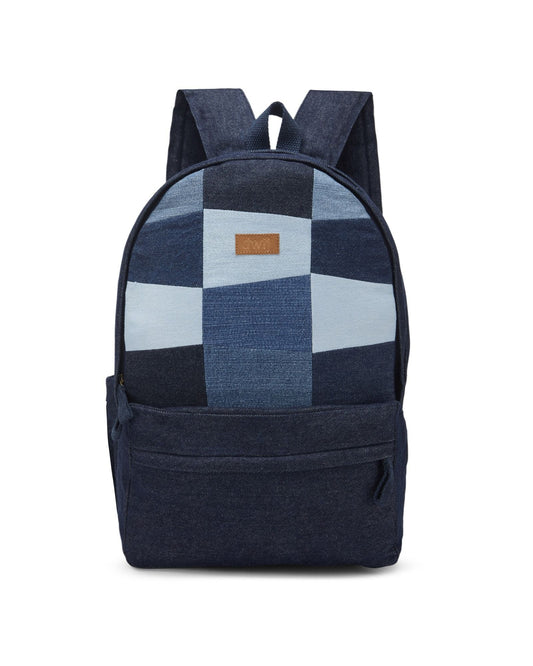
The Patched Backpack takes another approach, using denim patchwork to make use of smaller pieces while creating its distinctive surface.
Similarly, products such as the Ocean Tote, Large Tote and Mobile Sling require their own combinations of panels, pockets, straps and construction details.

The cutting stage may not be the part customers see first.
But it is one of the stages that determines what is possible later.
What Happens to Smaller Denim Pieces?
Cutting inevitably creates smaller sections of material.
For an upcycling-focused studio, this raises another question:
Can the smaller pieces be useful too?
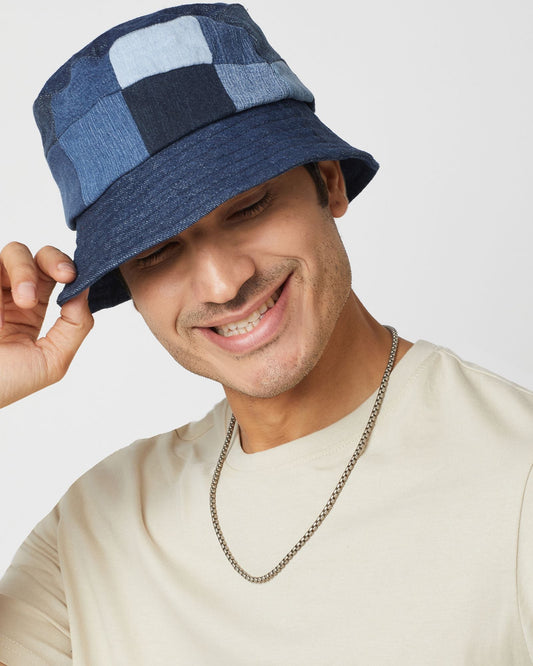
Where practical, smaller usable denim pieces can be incorporated into patchwork or other designs rather than being treated as automatically unusable.
This is one reason cutting needs to be thoughtful.

The objective is not simply to get one product out of a pair of jeans.
It is to make considered use of the material available.
Why Precision Matters in Upcycling
Upcycling does not mean "cut it however you can."
A reclaimed material still needs to meet the requirements of the new product.
For a bag to function properly, panels need to align. Stitching needs to hold. Pockets need to sit correctly. Straps need to be positioned accurately. Finishing needs to be clean.
That requires precision.
The material may be rescued, but the making cannot be careless.
This is an important part of how we approach upcycling at dwij: giving a material a second life still requires good design and skilled craftsmanship.
Cutting Is Where the Transformation Really Begins
When you see a finished denim bag, the transformation can look almost effortless.

An old pair of jeans becomes a new object with a completely different purpose.
But the cutting table tells a different story.
There are measurements to consider, usable areas to identify, existing seams to work around, patterns to position and pieces to cut accurately.
That is why cutting day matters.
It is the point where the question changes from:
"What can we do with this old pair of jeans?"
to:
"What can this particular piece of denim become?"
And sometimes, the answer is a bag that gets to begin its own second life.
Frequently Asked Questions
How are jeans cut for upcycling?
How jeans are cut for upcycling depends on the condition and construction of the jeans as well as the product being made. The denim is inspected, sorted, usable areas are identified, patterns are marked and the required pieces are carefully cut before stitching and assembly.
What is pattern cutting denim jeans?
Pattern cutting denim jeans means planning and cutting shapes from denim according to the dimensions and construction requirements of a new product. When the denim comes from an existing pair of jeans, the maker also has to work around original seams, pockets, hems, fading and areas of wear.
Is cutting up old jeans the same as cutting new denim fabric?
No. New denim generally begins as a continuous fabric surface, while old jeans already contain garment construction such as seams, pockets, hems and different areas of wear. Upcycling therefore requires the maker to consider the existing garment before positioning and cutting new pattern pieces.
Does the grainline matter when cutting denim for upcycling?
Fabric direction can matter, particularly when the new product requires pieces to behave consistently during construction. However, the exact cutting approach depends on the product, the denim section being used and its existing construction.
Does dwij wash jeans before cutting them?
The denim is washed outside the dwij studio through sourcing partners before it reaches the workshop. Once sourced and prepared, it is brought to the studio for sorting and the subsequent making process.
What happens after the denim is cut?
After marking and cutting, the pieces move into stitching, assembly and finishing. The completed product then goes through artisan quality checking before packaging and shipping.
Does dwij use the original pockets and seams of jeans?
Existing denim details can sometimes be incorporated into designs where they are suitable and useful. Whether a pocket, seam or other detail is retained depends on the product design and the condition of the material.
What happens to smaller denim pieces after cutting?
Where practical, smaller usable pieces can be incorporated into patchwork or other products. This helps make considered use of available denim rather than treating every leftover piece as automatically unusable.
Which dwij products are made from upcycled denim?
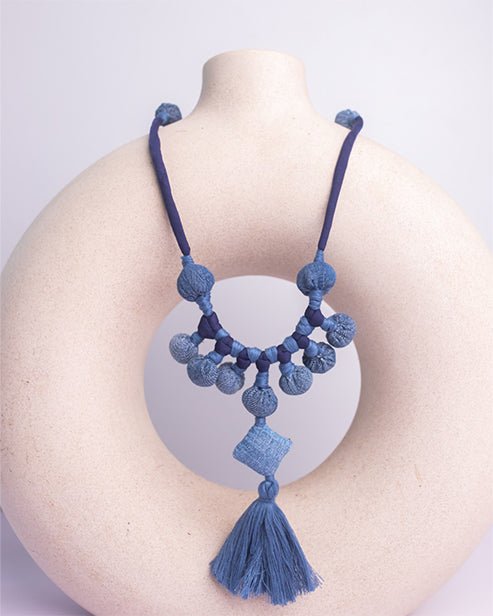
dwij creates a range of upcycled denim products, including the Carry-All Convertible, Patched Backpack, Ocean Tote, Large Tote, Mobile Sling, Baguette, pouches and other accessories.