
When choosing an everyday bag, the material can make a noticeable difference to how the bag feels, performs, and ages.
So, how do denim bags vs cotton bags compare?
In general, a denim bag offers more structure and abrasion resistance than a lightweight cotton tote because denim is typically a denser cotton twill fabric. Lightweight cotton bags, on the other hand, are softer, lighter, and easier to fold and carry.

But durability is only one part of the decision. The right choice also depends on how you use the bag, how much structure you need, and the kind of look you prefer.
At Dwij, this comparison is particularly interesting because our bags give discarded denim another life through upcycling.
Denim Bags vs Cotton Bags: What's the Difference?
Before comparing the two, there is an important distinction to understand.
Cotton is a natural fibre. Denim is a fabric, traditionally made primarily from cotton, using a twill weave.
That means “denim vs cotton” is not technically a fibre-versus-fibre comparison. In everyday shopping language, however, people usually mean denim bags vs lightweight cotton bags such as the simple cotton totes commonly used for groceries, shopping, or promotional purposes.
|
Feature |
Denim Bags |
Lightweight Cotton Bags |
|
Typical feel |
Structured and substantial |
Soft and lightweight |
|
Weave |
Usually cotton twill |
Often plain weave |
|
Durability |
Generally higher for everyday abrasion |
Varies; thin cotton can wear faster |
|
Shape retention |
Better structure |
More likely to soften or collapse |
|
Weight |
Usually heavier |
Usually lighter |
|
Foldability |
Moderate |
Easy to fold |
|
Style |
Textured, casual, distinctive |
Minimal, simple, versatile |
|
Best suited for |
Daily carrying, commuting, errands |
Light shopping and easy portability |
The actual performance still depends on fabric weight, construction, stitching, handles, lining, and how the bag is used.
1. Durability: Denim Has an Advantage in Structure
One of the biggest differences between the two is how the fabric behaves under regular use.
Denim's twill construction gives it a comparatively dense and sturdy feel. A well-made denim bag can handle repeated friction and everyday handling without feeling as delicate as a very lightweight cotton tote.
That makes denim useful for bags that are expected to carry more than a few lightweight items.
However, “denim” does not automatically mean indestructible. Fabric weight, stitching, seams, handles, hardware, and construction all contribute to a bag's durability.

Lightweight cotton bags can be perfectly practical for lighter loads, but thin fabric may stretch, fray, or lose its shape sooner when consistently subjected to heavier loads.
What about heavy-duty use?
This is where fabric construction matters even more.
A heavy canvas bag, for example, can provide greater structure and load-bearing capacity than a lightweight denim bag. So the useful comparison is not simply “denim is stronger than everything made from cotton.”
Instead, consider:
fabric weight + weave + construction + stitching + intended load.
That gives you a much more realistic idea of how long a bag is likely to perform well.
2. Style: Denim Brings Texture and Character
There is also a visual difference.
Denim naturally brings texture, seams, fading, and variations in shade to a bag. Depending on the design, it can look casual, contemporary, vintage-inspired, or understated.
For Dwij, this character is part of the appeal of working with upcycled denim.
Because we work with recovered denim rather than producing a perfectly uniform fabric specifically for every product, differences in shade, fading, seams, and existing denim details can become part of the finished design.

This gives denim tote bags a distinctive appearance that can change subtly with use.
Lightweight cotton bags tend to have a simpler visual language. They can be plain, printed, dyed, or customised and are often chosen when a lightweight, minimal look is the priority.
Neither aesthetic is inherently better. It comes down to what you want your everyday bag to look and feel like.
3. Everyday Practicality: Which One Fits Your Routine?
The better material depends heavily on what you carry.
Choose a denim bag when you need:
-
More structure for everyday belongings
-
A bag that can handle regular use and friction
-
A distinctive everyday look
-
More substantial fabric for commuting or errands
-
A bag that does not feel overly delicate
For example, Dwij's Convertible Tote is designed around multiple carrying options: it can be used as a tote, shoulder bag, crossbody, or backpack. It also includes a laptop compartment and back zipper, making it suited to different everyday routines.

The Large Tote is another option for people who need more room and organisation, with compartments, bottle holders, a key leash, and dedicated pockets.
Choose a lightweight cotton bag when you need:
-
Something easy to fold and store
-
A lightweight secondary bag
-
A simple shopping or grocery tote
-
Something that takes up very little space when not in use
-
A softer, less structured feel
This is where lightweight cotton totes remain useful. They are convenient to carry and can easily be kept inside another bag for situations when you need an extra carrier.
4. What Makes Dwij's Denim Bags Different?
Dwij's denim bags are not made from newly produced denim fabric for the sole purpose of making bags.
We work with post-consumer jeans and post-industrial denim waste, giving discarded textile material another functional use.

The journey begins with sourcing. The denim is washed through sourcing partners before reaching our studio. Once it arrives, pieces are sorted according to factors such as size, GSM, shade, and usability.
The selected material is then marked and cut according to the product design before stitching, finishing, artisan quality checks, and packaging.
This process means the denim's existing characteristics can remain visible.
A faded section, an old seam, a pocket, or a variation in shade does not necessarily need to disappear. Depending on the design, these details can become part of the product's character.
5. Denim vs Cotton: What About Sustainability?
This is where the comparison needs a little more nuance.
It would be misleading to say that every denim bag is automatically more sustainable than every cotton bag or vice versa.
The environmental story depends on factors such as:
-
Where the material came from
-
Whether it is virgin or recovered material
-
How much processing it requires
-
How durable the finished product is
-
How frequently it is reused
-
How it is maintained
-
What happens to it at the end of its useful life
For Dwij, the key difference is that our denim starts as discarded textile material.
Instead of purchasing new denim specifically to manufacture bags, we work with denim waste streams and design products around the material available to us.
That makes the material story fundamentally different from a conventional newly manufactured fabric bag.
6. How Denim Bags Age
Another interesting difference is how the material changes over time.
Denim can soften through use while retaining much of its original character. Natural fading and variations can become more visible, making a frequently used bag feel increasingly personal.
At Dwij, we do not create artificial chemical wash effects to make our denim look aged. We retain the natural character of the recovered denim wherever the design allows.
This means two bags made from upcycled denim may not look perfectly identical and that is part of what makes them individual.
7. Which Bag Should You Choose?
Instead of asking whether denim or cotton is universally better, ask what you need from your bag.
Choose denim if:
You want more structure, a substantial feel, everyday durability, and a distinctive textured appearance.
Choose lightweight cotton if:
You prioritise low weight, easy folding, portability, and a simple bag for lighter loads.
Choose upcycled denim if:
You want those practical qualities while also choosing a bag made from recovered denim material.

For someone looking for everyday denim bags vs cotton bags, the decision ultimately comes down to the balance between durability, weight, structure, style, and material origin.
Dwij's Take: The Material Should Work for the Life of the Bag
A bag is not useful simply because it is made from a particular material.
It needs to work for the way you actually live.
A commuter carrying a laptop and daily essentials has different requirements from someone who wants a foldable grocery tote. Someone looking for a structured everyday bag may prefer denim, while someone who wants a lightweight backup carrier may prefer cotton.

At Dwij, we approach this from another angle: what can an existing material become when thoughtful design gives it another life?
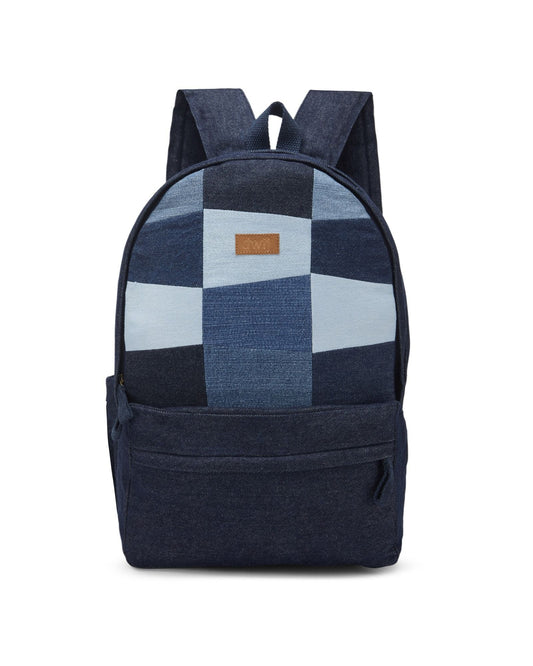
Our Patched Backpack, Ocean Tote, Mobile Sling, Baguette, and Carry-All Convertible are all examples of how recovered denim can be turned into functional products rather than remaining textile waste.
The goal is not simply to make another bag.
It is to make a bag that earns its place in your everyday routine.
Frequently Asked Questions
Are denim bags more durable than cotton bags?
Generally, a denim bag made from a suitably weighted fabric can offer more structure and abrasion resistance than a lightweight cotton tote. However, durability also depends on fabric weight, stitching, handles, hardware, and construction.
Are denim bags made from cotton?
Traditional denim is primarily made from cotton and is characterised by its twill weave. Therefore, many denim bags are cotton-based, although denim can also be made using blends or other fibres.
Are denim tote bags good for everyday use?
Yes. Denim tote bags can be well suited to everyday errands, commuting, shopping, and casual use because denim generally provides more structure than lightweight cotton fabric.
Are cotton bags lighter than denim bags?
Lightweight cotton bags are generally lighter and easier to fold than denim bags. This makes them useful as compact shopping or secondary bags.
Do denim bags last longer than cotton bags?
A well-constructed denim bag can last longer than a thin, lightweight cotton tote under comparable everyday use. However, the lifespan of either bag depends on material weight, construction, load, frequency of use, and care.
Are Dwij denim bags made from new denim?
Dwij primarily works with post-consumer jeans and post-industrial denim waste. The recovered denim is sourced, washed through sourcing partners, sorted, and then converted into new functional products at the Dwij studio.
What Dwij products are made from upcycled denim?
Dwij's range includes products such as the Convertible Totes, Backpacks, Tote Bags, Slings, and Baguettes, among other upcycled denim products.
How should I choose between a cotton bag and a denim bag?
Consider what you carry and how you use the bag. Choose lightweight cotton when portability and foldability are priorities. Consider denim when you want greater structure, a more substantial feel, and a distinctive everyday style.