
A living room refresh doesn't always require new furniture or a complete makeover. Sometimes, changing a few textiles is enough to give the space a new character.
Denim cushions and table runners are an easy way to introduce texture, colour and a relaxed contemporary feel to your living room. Denim's familiar indigo tones work particularly well with neutral furniture, natural wood, plants and warm-toned décor.
At dwij, we take this idea a step further by transforming discarded denim into thoughtfully designed home accessories. Our approach is rooted in upcycling, low-waste production and giving existing materials a second life.
If you're looking for cushion cover styling ideas or ways to bring denim decor into your living room, here are some simple ideas inspired by our design philosophy.
Why Choose Denim for Living Room Décor?
Denim is traditionally associated with clothing, but its durability and distinctive texture make it equally interesting as a home textile.
For us at dwij, using denim in home décor is also an opportunity to extend the life of a material that already exists.
We work with:
-
Post-consumer jeans
-
Post-industrial denim
-
Denim scraps from our production process
Instead of creating an entirely new material for every product, we look at what is already available and ask how it can be used again.

That naturally makes every piece different. One denim cushion may feature a deep indigo shade, while another may showcase naturally faded areas, visible seams or patchwork.
The variation isn't a flaw. It's part of the story.
7 Cushion Cover Styling Ideas for a Denim Living Room
1. Pair Dark Denim with Cream and White
One of the easiest ways to style denim is to contrast deep indigo with lighter neutrals.
Try pairing denim cushion covers with:
-
Cream cushions
-
White throws
-
Beige upholstery
-
Light wood furniture
The contrast keeps the room feeling balanced while allowing the denim to become a visual focal point.

For a minimalist living room, this combination works particularly well because you don't need many decorative elements to create visual interest.
2. Mix Different Shades of Denim
Don't feel that every denim element needs to match.
Combine:
Dark indigo + medium blue + naturally faded denim
Different washes can create depth without introducing too many colours.
This works especially well with upcycled denim because naturally different shades are already present in the material.
At dwij, we appreciate these variations rather than trying to make every piece look identical.
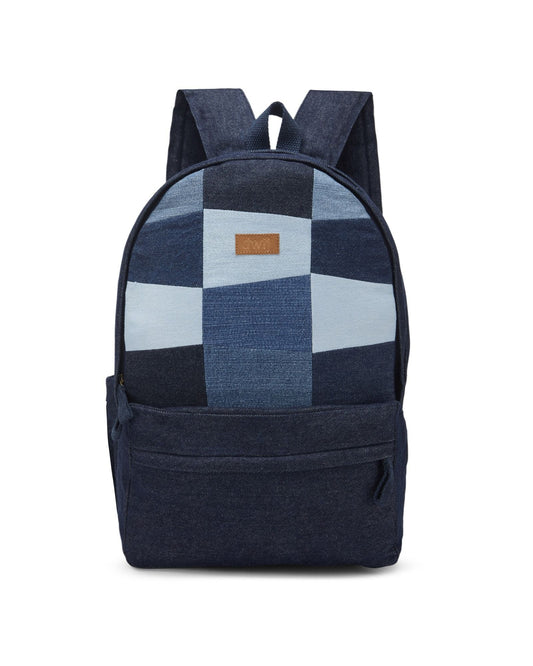
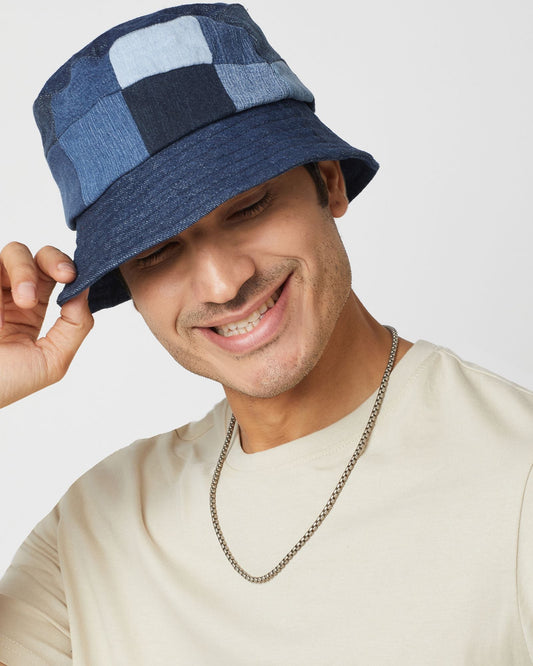
3. Use Patchwork for More Character
If you want your living room to feel more handcrafted, introduce patchwork denim cushions.
Small pieces of denim that might otherwise become scraps can be combined into larger surfaces.

This approach has two benefits:
-
It creates a distinctive visual pattern.
-
It supports a low-waste approach by making use of smaller pieces of fabric.
Patchwork can be subtle, with similar shades of blue, or more expressive, using contrasting washes and visible stitching.
4. Add a Denim Table Runner
A denim table runner can connect the seating area with your coffee or dining table without making the entire room feel overly coordinated.
For a simple look:
-
Place a denim runner along a wooden table.
-
Add a small ceramic vase.
-
Introducing a green plant.
-
Keep the remaining accessories neutral.
The combination of denim, wood and greenery creates an earthy, relaxed aesthetic.

For a more informal look, a runner with natural denim variations or patchwork can add visual texture.
5. Combine Denim with Natural Textures
One of our favourite approaches to denim decor living room styling is to avoid using too much denim at once.
Instead, let denim interact with other natural textures.
Try combining it with:
-
Jute
-
Cotton
-
Wood
-
Woven baskets
-
Ceramic
-
Linen
-
Natural-fibre rugs
The contrast prevents the room from looking overly themed while allowing the denim to stand out.
6. Let Embroidery Become the Focal Point
Denim doesn't have to remain plain.
Hand embroidery can introduce colour, craft and cultural storytelling into a denim interior.
At dwij, we work with handcrafted textile techniques across our collections, including Kantha hand embroidery and Kutch-inspired hand embroidery.
The same philosophy can be brought into home décor through embroidered cushion covers.
A detailed embroidered cushion can become the focal point of a neutral sofa, while simpler denim cushions can provide balance around it.
This approach also supports our belief in using products to celebrate craftsmanship and support artisan skills.
7. Create a Layered Sofa
You don't need identical cushions across the sofa.
Instead, layer different:
-
Sizes
-
Denim shades
-
Textures
-
Patterns
-
Embroidered details
For example, you could place a larger denim cushion at the back, a neutral cushion in the middle and a smaller embroidered cushion in front.
This creates depth while keeping the overall palette cohesive.
How to Style a Denim Table Runner
A table runner doesn't need to dominate the table. Think of it as the foundation for a small arrangement.

For a Minimal Look
Use:
Denim runner + ceramic vase + single plant
Keep the rest of the table relatively empty.
For a Warm, Rustic Look
Try:
Denim runner + wooden tray + candles + dried flowers
The combination of wood and denim creates a relaxed, lived-in feel.
For a More Contemporary Look
Pair:
Dark denim + white ceramics + simple metallic accents
The contrast makes the denim look more refined rather than purely casual.
How to Make Denim Décor Feel Less Casual
One common concern is that denim can make interiors look too informal.
The easiest solution is balance.
Instead of pairing denim with many casual elements, combine it with polished or minimal pieces.
For example:
Denim cushion + tailored sofa + ceramic lamp
or
Denim runner + clean-lined table + simple dinnerware
or
Embroidered denim cushion + neutral upholstery + structured furniture
The denim then becomes a texture rather than a theme.
Why Upcycled Denim Works Beautifully for Home Décor
For dwij, the most important part of using denim in home décor isn't simply its appearance.
It's what happens to the material before it becomes a finished product.
We rescue denim that already exists and look for ways to extend its useful life.
Our production approach includes:
-
Using post-consumer jeans and post-industrial denim
-
Carefully selecting usable material
-
Working with naturally faded textures
-
Using denim scraps for patchwork
-
Handcrafting products rather than mass manufacturing
-
Striving for low-waste production
-
Designing with longevity in mind
We don't artificially create faded effects with chemicals. Instead, we preserve the authentic character that time and wear have already given the denim.
From Denim Waste to Living Room Detail
A small cushion cover or table runner might seem like a simple décor choice.
But at dwij, we see these products as part of a larger circular system.
A pair of jeans that has reached the end of its first purpose can become something useful for the home.
And when smaller pieces remain, they can become part of patchwork rather than automatically becoming waste.
This is why our philosophy goes beyond simply using recycled or upcycled materials.
True sustainability is also about what happens next.
Our design-for-disassembly approach considers the future of a product, so materials can eventually be separated for recycling or another form of upcycling.
A Simple Denim Living Room Refresh
You don't need to redesign your entire living room.
Start with three elements:
1. One Statement Cushion
Choose an embroidered or patchwork denim cushion cover.
2. Two Supporting Cushions
Add plain denim or neutral cushions in complementary shades.
3. One Table Runner
Place a denim table runner on your coffee or dining table and add a small plant or ceramic object.

That's enough to introduce denim into the room without overwhelming the existing décor.
The Dwij Approach to Denim Home Décor
At dwij, we believe sustainability should feel natural in everyday life.
That means creating products that aren't simply "eco-friendly" in appearance, but are designed thoughtfully from material selection to construction and eventual end of life.
Our denim home décor reflects that approach.
Discard becomes desirable.
Scraps become details.
Old denim becomes something worth living with.
And that's what makes an upcycled denim cushion or table runner more than just a décor accessory.
It becomes a small, functional reminder that materials can have more than one life.
Frequently Asked Questions
Are denim cushion covers suitable for everyday use?
Yes. Denim is a durable textile and works well for frequently used decorative cushions. However, care instructions depend on the construction, embroidery and other materials used in the specific cushion cover.
How can I style denim cushions without making my living room look too casual?
Balance denim with neutral upholstery, clean-lined furniture and refined materials such as ceramics, wood or metal. Mixing dark and light denim with cream, beige or white also creates a more sophisticated look.
What colours go well with denim cushions?
Denim works particularly well with white, cream, beige, grey, tan, brown and earthy greens. Different shades of blue can also be layered together.
How can I style a denim table runner?
Place it centrally on a wooden, neutral or light-coloured table and add simple accessories such as a ceramic vase, plant, candles or wooden tray. Keep the surrounding décor relatively simple so the denim remains the visual anchor.
Are dwij's denim home décor products made from upcycled denim?
Yes. Dwij works with post-consumer jeans and post-industrial denim, transforming suitable material into products including home décor and utility accessories.
Why does upcycled denim look different from piece to piece?
Upcycled denim comes from existing garments and textile waste, so colour, fading, texture, seams and other details naturally vary. At dwij, these differences are preserved as part of the material's authentic character.
Does dwij use denim scraps?
Yes. We strive to follow a low-waste approach by using smaller denim scraps for patchwork and other design applications wherever possible.
Does dwij use embroidery in its products?
Yes. Handcrafted embroidery is an important part of some dwij collections. We have created Kantha hand-embroidered, Kutch hand-embroidered and heart hand-embroidered collections, combining textile craft with upcycled materials.
What makes dwij's approach to sustainability different?
For us, sustainability isn't limited to the material used. We consider material reuse, low-waste production, longevity, craftsmanship and design for disassembly as interconnected parts of responsible design.