
India's textile industry is entering a significant phase of change with the introduction of the proposed Textile Extended Producer Responsibility (EPR) framework. If implemented as proposed, the framework will make fashion brands more accountable for what happens to their products after consumers are finished using them. Instead of focusing only on manufacturing and sales, brands will also need to consider collection, recycling, and responsible end-of-life management.
For businesses that already embrace circular design, this shift represents an opportunity rather than a challenge. At Dwij, our journey has always been rooted in giving discarded textiles a meaningful second life. Long before Extended Producer Responsibility (EPR) became part of industry conversations, we were rescuing post-consumer jeans and post-industrial denim to create handcrafted products designed for longevity.
Understanding the proposed Extended Producer Responsibility textile India framework helps explain why circular design is becoming increasingly important—not only for policymakers but for the future of fashion itself.
What is Extended Producer Responsibility (EPR)?
Extended Producer Responsibility (EPR) is an environmental policy approach that makes producers responsible for managing the products they introduce into the market, even after consumers have finished using them.
Instead of waste management being handled entirely by municipalities or the informal sector, brands are expected to contribute to the collection, recycling, and responsible processing of post-consumer products.
For the textile industry, this means manufacturers, fashion brands, and importers may need to play a more active role in reducing textile waste throughout a product's lifecycle.
India's Textile EPR Framework at a Glance
|
Proposed Requirement |
What It Means for Fashion Brands |
|
Extended Producer Responsibility (EPR) |
Greater responsibility for post-consumer textile waste |
|
Collection Systems |
Support take-back and collection of used garments |
|
Denim naturally absorbs water because it is woven from cotton fibres Textile Recycling |
Encourage responsible recycling and material recovery |
|
Eco-Modulation |
Products designed for recyclability may receive more favourable treatment than difficult-to-recycle products |
|
Circular Design |
Greater focus on designing products with end-of-life considerations |
Why the Textile EPR Framework Matters
India generates thousands of kilotonnes of textile waste every year, making textile waste management an increasingly important environmental challenge.
To better understand where discarded textiles actually go after they're thrown away, explore our blog on The Story of Asia's Biggest Textile Recycling Hub, which explains how one of the world's largest textile recycling ecosystems processes enormous volumes of used clothing every day.
Historically, much of this material has been handled through informal recycling networks.
Behind much of India's textile recovery system are thousands of informal workers whose efforts often go unnoticed. Learn more in The Invisible Textile Recyclers of India, where we highlight the people helping keep valuable materials in circulation.
As conversations around circularity continue to grow globally, policymakers are exploring frameworks that encourage greater producer responsibility throughout the textile value chain.
The proposed India textile waste rules 2026 represent a move towards recognising that product responsibility doesn't end at the point of sale.
Instead, the full lifecycle of a garment from design to disposal becomes part of responsible manufacturing.
For brands, this encourages long-term thinking rather than short-term production.
What Could This Mean for Denim and Fashion Brands?
Denim has long been recognised as one of fashion's most durable materials, but conventional denim production can also be resource intensive.
Many garments combine cotton with synthetic stretch fibres, multiple trims, complex stitching, and chemical finishing processes. While these design choices may improve performance or aesthetics, they can also make recycling more challenging.

As discussions around textile recycling policy India continue to evolve, brands may increasingly be encouraged to consider recyclability alongside functionality.
Several areas are likely to receive greater attention.
1. Product Design
Products designed with simpler material compositions may become easier to recycle at the end of their useful life.
Thoughtful design decisions such as considering material compatibility, construction methods, and durability support circular thinking from the beginning of the product journey.
At Dwij, every product begins with rescued post-consumer jeans and post-industrial denim, extending the life of existing materials before new resources need to be consumed.
2. Collection and Take-Back Systems
One of the central ideas behind Extended Producer Responsibility is encouraging products to return to the material cycle rather than becoming waste.
As producer responsibility frameworks develop, brands may increasingly explore take-back initiatives, repair programmes, or partnerships that support textile recovery.
For Dwij, this philosophy has always been at the heart of what we do.
The name Dwij, meaning "twice born," reflects our commitment to giving discarded textiles another meaningful chapter through thoughtful craftsmanship.
3. Circular Product Development
The proposed framework also reinforces the importance of designing products that remain useful for longer.
Durability, repairability, and responsible material choices become increasingly valuable when products are viewed across their entire lifecycle rather than only during manufacturing.
Instead of encouraging constant replacement, circular design focuses on extending the usefulness of existing materials.
This aligns closely with Dwij's philosophy:
Waste becomes a wonder. Discard becomes desired.
Why Circular Design Matters More Than Ever
At Dwij, sustainability has never been about creating more products labelled "eco-friendly."

It begins by asking a different question:
Can materials that already exist continue serving a meaningful purpose?
Understanding the difference between true circularity and conventional recycling is equally important. Our blog, What Is the Truth About Recycling in Fashion?, explores common misconceptions and explains why extending the life of existing materials often creates greater environmental impact.
Instead of producing new denim, we rescue post-consumer jeans and post-industrial denim that would otherwise be discarded.
Every material moves through our carefully considered process of:
-
Sourcing
-
Sorting
-
Washing
-
Cutting
-
Stitching
-
Ironing
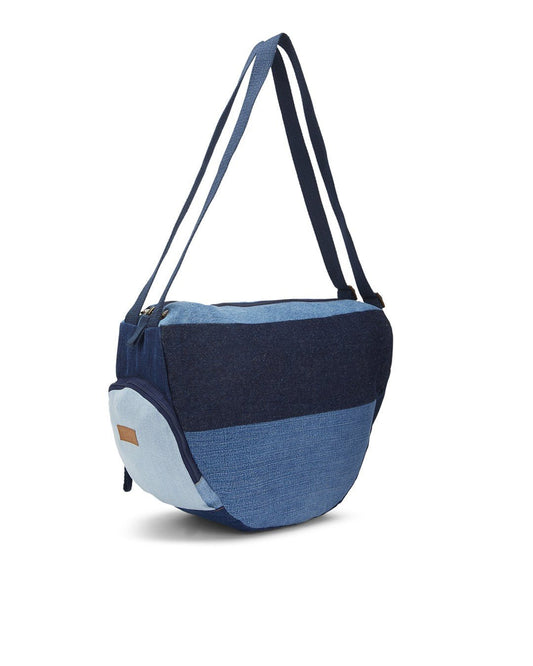
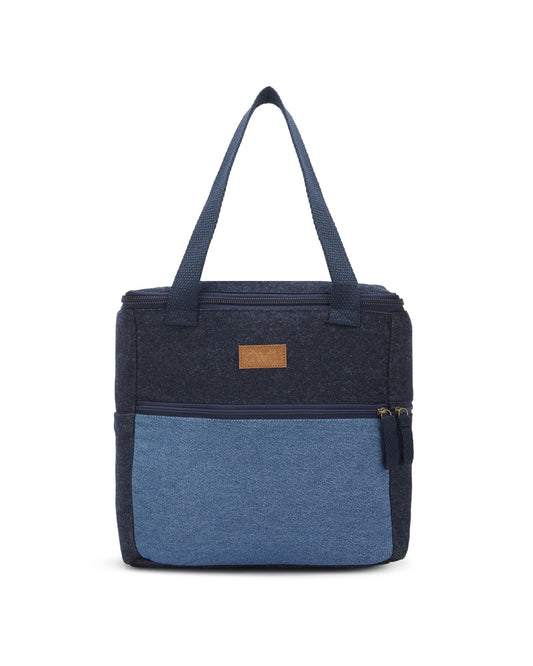
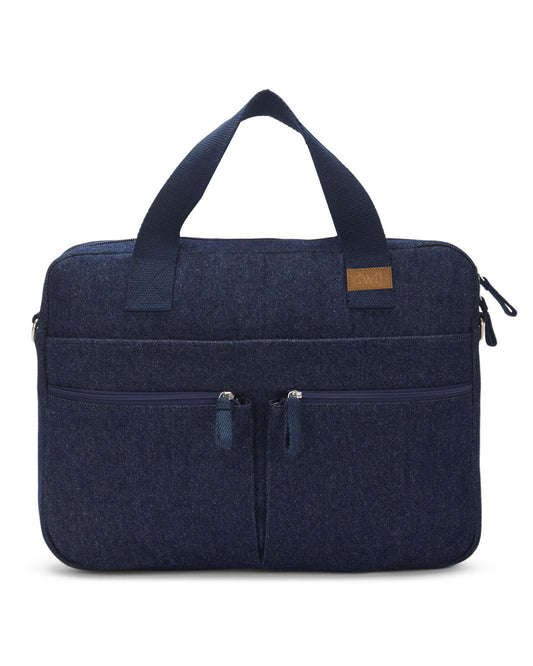
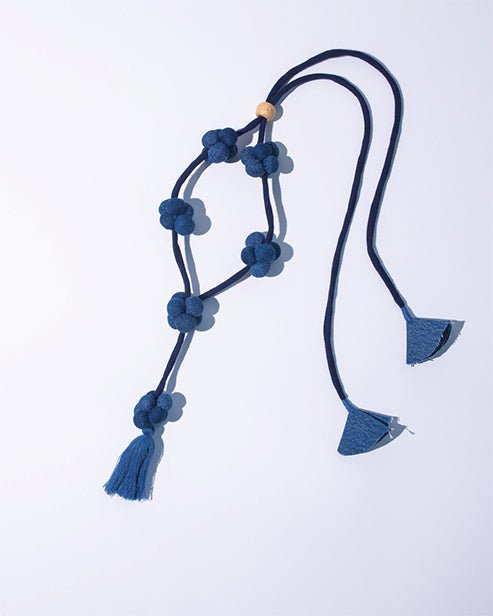
Only then does it begin its second life as a handcrafted bag, accessory, jewellery piece, or home product.
This approach naturally extends material life while reducing demand for new textile production.
Preparing for a More Circular Future
Whether through regulatory frameworks or changing consumer expectations, the fashion industry is steadily moving towards greater accountability.
Brands that understand where their materials come from, how products are made, and what happens after use are better positioned to adapt to this changing landscape.
For consumers, this means choosing products designed with longevity rather than disposability in mind.

For brands, it encourages investment in:
-
Responsible sourcing
-
Durable product design
-
Material traceability
-
Repairability
-
Circular production systems
These principles don't simply support future compliance, they also create products that customers can use and appreciate for years.
How Dwij Reflects Circular Thinking
While discussions around Extended Producer Responsibility textile India continue to evolve, Dwij's approach has always reflected many of the same principles.

Rather than viewing discarded textiles as waste, we recognise their remaining value.
Every handcrafted product begins with rescued materials.
Every stitch extends the life of existing resources.
Every design focuses on functionality, durability, and thoughtful craftsmanship instead of fast-changing trends.
The result isn't simply a product with a lower environmental footprint.
It's a product that carries a story, preserves material character, and demonstrates that circular thinking can begin long before regulations require it.
Final Thoughts
The proposed India textile waste rules 2026 highlight an important shift in how the fashion industry thinks about responsibility.

As conversations around textile recycling policy India and Extended Producer Responsibility continue to develop, one message is becoming increasingly clear: products should be designed with their entire lifecycle in mind.
At Dwij, this philosophy has guided us from the beginning.
By rescuing post-consumer jeans and post-industrial denim and transforming them into handcrafted products, we give valuable materials a meaningful second life instead of allowing them to become waste.
Because the future of fashion isn't simply about producing differently.
It's about thinking differently from the very first stitch to the very last chapter of every product.
Frequently Asked Questions
1. What is Extended Producer Responsibility (EPR) in the textile industry?
Extended Producer Responsibility (EPR) is a policy approach that makes producers responsible for supporting the collection, recycling, and responsible management of textile products after consumers have finished using them.
2. Why are India's proposed textile waste rules important?
The proposed framework encourages greater accountability across the textile value chain by promoting circular design, responsible waste management, and improved recycling practices.
3. How could the Textile EPR framework affect fashion brands?
Brands may increasingly need to consider product design, material choices, collection systems, and end-of-life management when developing future products.
4. Why is circular design important for denim products?
Circular design helps extend the life of materials, improves opportunities for recycling, and reduces dependence on new textile production by keeping existing resources in use for longer.
5. How does Dwij support circular fashion?
Dwij rescues post-consumer jeans and post-industrial denim and transforms them into handcrafted bags, accessories, jewellery, and home products. By giving discarded textiles a second life, we demonstrate how thoughtful craftsmanship can help materials remain valuable for years to come.