
Long before the world started talking about sustainability, recycling, or circular fashion, women in rural Bihar had already found a thoughtful way to give old textiles a second life.
They called it Sujani embroidery.
Today, Sujani is celebrated as one of India's most beautiful embroidery traditions. But its story didn't begin as decorative art. It began with necessity, care, and creativity.
Layers of worn-out saris and dhotis were stitched together to make soft quilts for newborn babies. Every piece of fabric carried memories of the family who wore it. Instead of being discarded, those textiles were transformed into something comforting, useful, and deeply personal.
In many ways, Sujani reminds us that the idea of upcycling isn't new at all. It's simply a tradition we are learning to appreciate again.
What Is Sujani Embroidery?
Sujani embroidery is a traditional textile craft from Bihar, particularly associated with villages in the Muzaffarpur region.
Historically, women layered multiple pieces of old cotton saris and dhotis to create quilts, known as sujanis. These layers were held together using fine running stitches that eventually became decorative embroidery patterns.
What started as a practical household activity gradually evolved into a distinctive embroidery tradition.
Unlike many decorative textiles made solely for display, Sujani was created with a purpose. Every stitch strengthened the fabric while also telling a story.
A Craft Born From Reused Cloth
The most remarkable thing about Sujani isn't just the embroidery.
It's what the embroidery was stitched on.
Instead of purchasing new fabric, families reused textiles that had already lived an entire life.
Old saris.
Worn dhotis.
Soft cotton cloth that had become comfortable through years of use.
Rather than becoming waste, these fabrics became blankets for newborn children—objects meant to provide warmth, comfort, and protection.
Today we call this upcycling.
Centuries ago, it was simply common sense.
Nothing was wasted if it could still serve a purpose.
Every Stitch Told a Story
Unlike factory-made quilts, Sujani pieces often became visual diaries.
Artisans embroidered scenes from daily life, village celebrations, local traditions, animals, flowers, trees, and religious symbols.
Modern Sujani artisans have expanded these narratives to include themes like education, women's empowerment, environmental conservation, and social change.
This storytelling aspect makes every Sujani unique.
No two pieces are ever exactly alike.
Each one reflects the experiences, imagination, and hands of the woman who created it.
Why Sujani Still Matters Today
Today's conversations around sustainable fashion often focus on reducing waste and extending the life of materials.
Sujani has quietly embodied these ideas for generations.
Its principles remain surprisingly relevant:
-
Reuse existing textiles instead of buying new ones.
-
Extend the life of fabric through craftsmanship.
-
Repair and reinforce rather than replace.
-
Create products with emotional value that people want to keep for years.
These ideas are now central to the circular economy, but communities in Bihar have practiced them for generations.
The Connection Between Sujani and Upcycling
Modern upcycling often transforms discarded materials into products with higher value.
That is exactly what Sujani achieved.
A worn-out sari became a treasured family quilt.
An old dhoti became a handmade heirloom.
The value didn't come from expensive materials.
It came from time, craftsmanship, and thoughtful design.
This is what makes Sujani such an important example of India's long tradition of resourcefulness.
What Sujani Teaches Modern Designers
Sujani offers lessons that extend beyond embroidery.
It reminds us that sustainability is not always about new technologies.
Sometimes it begins with changing how we see old materials.
Instead of asking:
"What should we throw away?"
Sujani encourages us to ask:
"What could this become?"
That small shift in thinking has inspired generations of makers.
How Sujani's Philosophy Lives On at dwij
At dwij, the idea of giving materials a second life is not a trend, it is the foundation of everything we create. As our name suggests, द्वि ज (dwij) means "twice born": the belief that something discarded can begin a meaningful new chapter.
Like the women who transformed old saris into Sujani quilts, we begin with materials that already have a story.
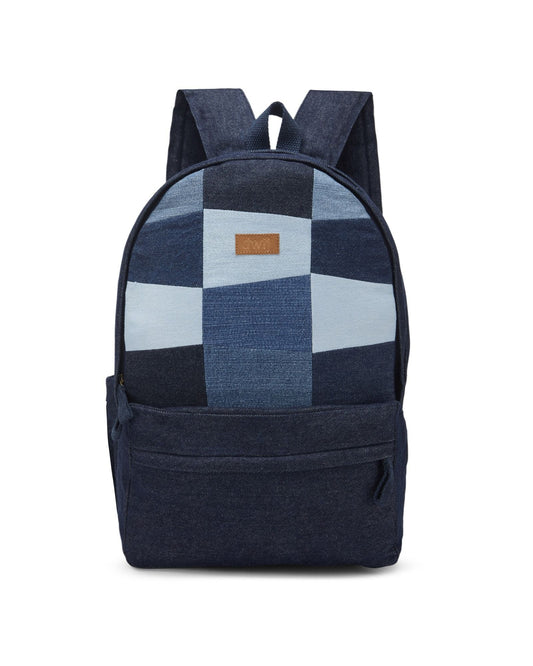
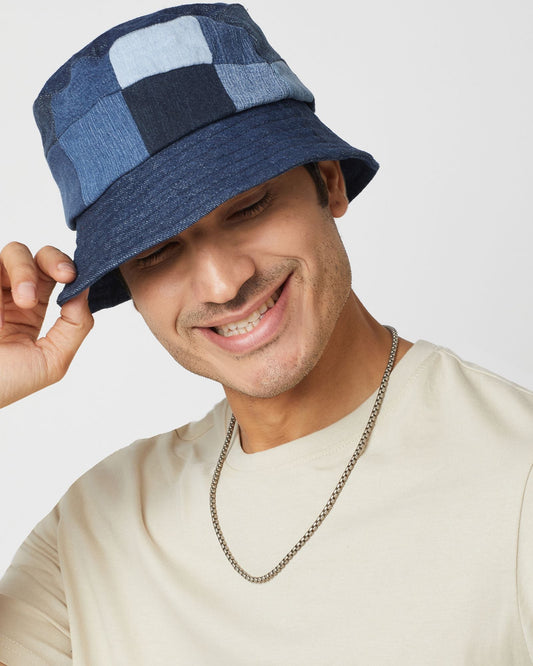
Instead of old cotton textiles, we rescue post-consumer jeans and post-industrial denim that might otherwise become waste. Every piece is washed, sorted, cut, stitched, and handcrafted into bags, accessories, home goods, and everyday essentials designed to last. Because reclaimed denim is naturally unique, no two dwij products are ever identical, a difference we celebrate rather than hide.
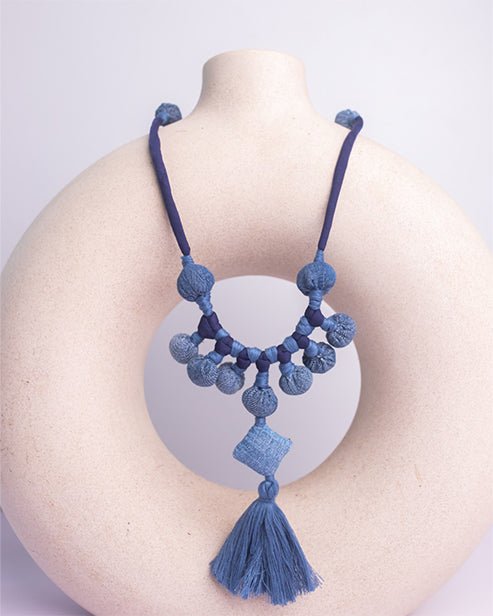
Just as Sujani artisans preserved stories through embroidery, we celebrate the beauty of handcrafted details at dwij. From Kantha embroidery on our home décor collection to hand-embroidered accents across selected products, we believe traditional craftsmanship gives every creation a story worth carrying. Like Sujani, these handcrafted techniques remind us that thoughtful making is about more than decoration, it's about preserving heritage while giving materials a meaningful second life.
The connection between Sujani and dwij isn't about using the same material.
It's about sharing the same philosophy.
Both begin with what already exists.
Both value craftsmanship over mass production.
Both prove that thoughtful design can extend the life of materials.
Most importantly, both remind us that waste is often just a resource waiting for skilled hands and a fresh perspective.
A Heritage Worth Remembering
Sujani embroidery isn't just an embroidery style.
It's evidence that the principles of circular design have long existed within India's craft traditions.
Long before "upcycling" entered our vocabulary, artisans were already practicing it with patience, skill, and care.
As we search for more sustainable ways to create and consume, perhaps the future has something to learn from the past.
Sometimes, the most innovative ideas have simply been stitched into history all along.
Frequently Asked Questions (FAQs)
1. What is Sujani embroidery?
Sujani embroidery is a traditional embroidery and quilting craft from Bihar, India. It originated as a way for women to layer old saris and dhotis into soft quilts, securing them with fine running stitches that gradually evolved into intricate embroidered designs. Today, Sujani is recognized for its storytelling motifs and handcrafted beauty.
2. Why is Sujani embroidery considered an early form of upcycling?
Sujani embroidery is considered an early form of upcycling because it transforms worn-out textiles into useful and meaningful products instead of discarding them. Old saris and dhotis were layered, stitched, and decorated to create quilts for newborns, extending the life of the fabric through craftsmanship.
3. Where did Sujani embroidery originate?
Sujani embroidery originated in the state of Bihar, particularly in villages around the Muzaffarpur region. The craft has been practiced for generations and continues to be preserved by women artisans who pass the techniques from one generation to the next.
4. What makes Sujani embroidery unique?
Sujani embroidery combines quilting, embroidery, and storytelling in a single textile. Instead of following repetitive patterns, artisans often depict scenes from village life, nature, festivals, folklore, and social themes. Since every piece is handmade, no two Sujani creations are exactly alike.
5. What materials are traditionally used in Sujani embroidery?
Traditionally, Sujani embroidery is made by layering old cotton saris, dhotis, or other soft household textiles. These reused fabrics are stitched together with cotton thread using fine running stitches before decorative embroidery is added.
6. How is Sujani embroidery connected to sustainable fashion?
Sujani embroidery reflects many of the principles of sustainable fashion. It extends the life of existing textiles, reduces waste, values handcrafted production, and encourages thoughtful consumption rather than constant replacement. These ideas align closely with today's circular economy and upcycling movement.
7. How does Sujani embroidery relate to dwij's philosophy?
At dwij, we believe every material deserves a second life, a philosophy reflected in our name, द्वि ज (dwij), meaning "twice born." Just as Sujani artisans transformed old saris into treasured quilts, we rescue post-consumer jeans and post-industrial denim to create handcrafted bags, accessories, and home goods. While the materials differ, both Sujani and dwij share the same belief: what is often considered waste can become something valuable through thoughtful design and skilled craftsmanship.
8. Is Sujani embroidery still practiced today?
Yes. Sujani embroidery continues to be practiced by artisan communities in Bihar. Today, artisans create quilts, cushion covers, wall hangings, apparel, and other handcrafted textiles while preserving the traditional stitching techniques and storytelling motifs that define the craft.
9. What can modern designers learn from Sujani embroidery?
Sujani teaches that sustainability begins with seeing potential in existing materials. It demonstrates how creativity, repair, and craftsmanship can extend the life of textiles and create products with lasting emotional and practical value. These principles continue to inspire contemporary designers and brands working with upcycled materials.
10. Why is Sujani embroidery important in India's textile heritage?
Sujani embroidery is an important part of India's textile heritage because it preserves traditional knowledge, celebrates women's craftsmanship, and showcases how communities practiced resourcefulness long before terms like "upcycling" and "circular design" became popular. It stands as a powerful reminder that innovation often has deep cultural roots.