
A Dwij bag begins long before it reaches your hands. It begins with a discarded pair of jeans, a piece of denim that might otherwise become textile waste, and an artisan who sees potential where others see something finished.
Through our “I Made Your Bag” campaign, we wanted to make one part of that journey visible: the people behind every stitch, cut, patch and piece of embroidery. The campaign celebrates the Dwij artisans who transform rescued denim into thoughtfully designed, handmade products.
For us, an upcycled bag is not simply a sustainable alternative to a new bag. It is a connection between a material getting a second life and the person giving it that life through skilled craftsmanship.
What Is the “I Made Your Bag” Campaign?
The “I Made Your Bag” campaign is Dwij’s way of putting the spotlight on the artisans who make our products.
In a world where mass-produced fashion can make the people behind a product invisible, we believe the maker deserves to be part of the story. Every Dwij product connects two individuals: the artisan who creates it, stitch by stitch, and the person who eventually carries it.
That connection is at the heart of our campaign.
Our artisans work with rescued post-consumer jeans and post-industrial textile scraps, turning materials that have already served one purpose into bags and utility products designed for another.
The result is more than an upcycled product. It is a story of material, skill and human creativity coming together.
Who Are the Dwij Artisans?
The Dwij artisans are skilled makers who bring experience, patience and craftsmanship to the process of transforming discarded textiles.
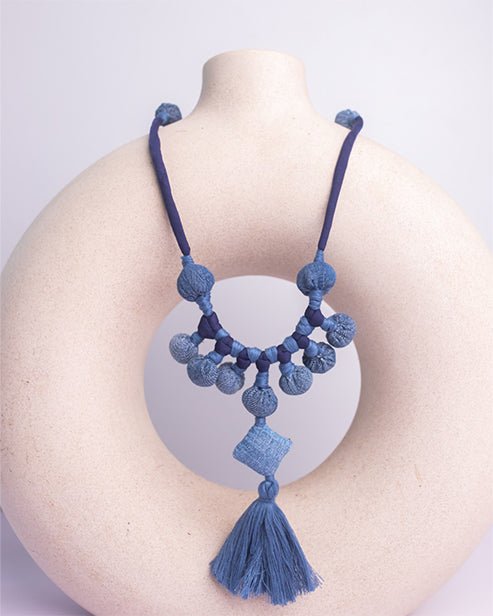
Many of our products involve detailed handwork, including traditional embroidery techniques such as Kantha and Ahir embroidery. These techniques require more than simply following a production pattern. They involve attention to detail, a trained eye and an understanding of how different fabrics and textures work together.
At Dwij, we see artisans as collaborators rather than simply workers in a production chain.
Their contribution goes beyond stitching. They help determine how an individual piece of denim can become part of a finished design, how different shades can be balanced and how existing features of a pair of jeans can be incorporated into a new product.
Our approach is rooted in fair livelihood, skill development and confidence-building, particularly for women and local craftspeople.
How Does an Upcycled Denim Bag Get Made?
One of the most interesting things about working with rescued denim is that there is no completely uniform raw material.
A factory producing identical bags from rolls of new fabric can follow the same cutting pattern repeatedly. Upcycled denim is different.
Every pair of jeans has its own history.
There may be natural fades, seams, pockets, belt loops, varying shades and signs of previous use. Instead of hiding these characteristics, we work with them.
1. Selecting and preparing the denim
We begin by rescuing suitable post-consumer jeans and post-industrial denim and fabric scraps. Materials are rigorously pre-washed before being used, helping ensure hygiene and preparing them for their next life.
2. Inspecting each piece
Artisans manually assess the available denim and identify which sections can best contribute to a particular design.
Original pockets, seams, belt loops and natural fades can become part of the visual character of the final product.
3. Planning the design
This is where human judgment becomes especially important.
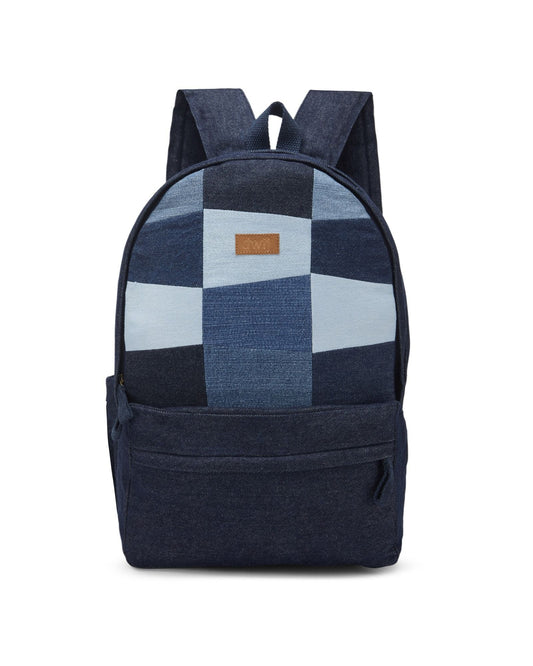
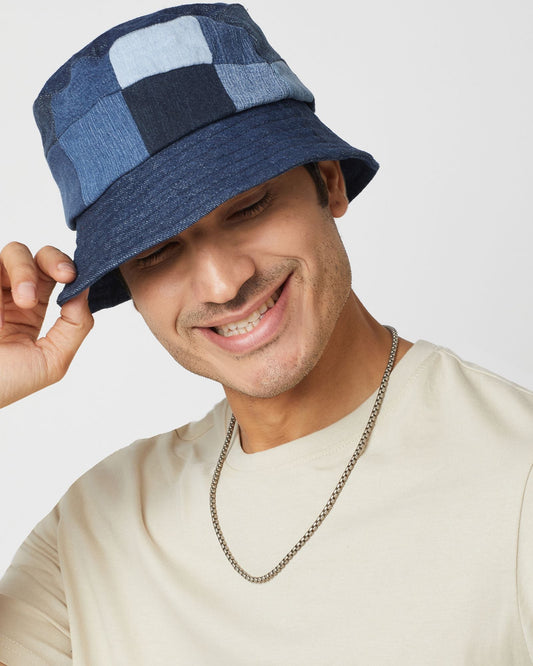
Rather than treating every piece of denim as interchangeable, artisans plan how individual panels will work together. For certain patchwork designs, this can mean combining five to seven different shades of denim to create the desired appearance.
4. Cutting and stitching
Once the pieces are planned, they are carefully cut and assembled. Multiple layers, panels and details need to be aligned correctly, making patience and precision essential.
5. Adding handcrafted details
Some Dwij designs incorporate hand embroidery and other decorative details. These elements give each piece an individual character while creating opportunities to preserve and celebrate traditional craftsmanship.
6. Building for a longer life
Our philosophy extends beyond simply making something from waste. We design products with durability and longevity in mind.
Our design-for-disassembly approach considers what happens at the end of a product's first life too. Where possible, components and materials are selected and assembled with their future recovery, recycling or upcycling in mind.
Why Handmade Matters in Upcycled Fashion
Handmade production can be particularly meaningful when working with reclaimed materials.
Because rescued denim varies from piece to piece, artisans need to make decisions that automated, standardized production cannot always replicate.
A pocket might become an unexpected design feature. A faded section might provide contrast. Several denim shades might be combined to create a patchwork effect.
These differences are not imperfections to us. They are evidence of the material's previous life.
This is also why handmade denim bags in India can represent more than a sustainable fashion choice. They can bring together India's rich textile craftsmanship with the growing need for responsible consumption.
At Dwij, we believe sustainability should include both the material and the people involved in creating the product.
14,000+ Rescued Pairs of Jeans, Thousands of Stories
The scale of discarded textiles is one of the reasons Dwij exists.
We started with a simple belief: nothing really goes away. When a garment is thrown away, its material still exists somewhere. Instead of continually producing new materials and treating old ones as disposable, we believe products can be designed for multiple lives.
Through our work, thousands of discarded jeans and post-industrial denim scraps have been diverted into new products. More than 14,000 pairs of jeans have been part of this larger rescue story.
But numbers tell only one part of it.
Behind every rescued pair is a material waiting for transformation. Behind every finished product is an artisan making decisions about how that material can be used.
That is the story the “I Made Your Bag” campaign brings forward.
From Waste to Wonder
The name Dwij means “twice born” in Sanskrit. It represents our belief that materials can have another beginning.
A pair of jeans does not have to end its story when someone stops wearing it. Its denim can become a bag, pouch, accessory or another useful object.
But the second birth is not only about the material.
It is also about the hands that transform it.
When you carry a Dwij bag, you are carrying rescued material, traditional craftsmanship, thoughtful design and the individual decisions made by an artisan.
That is why we say “From Waste to Wonder – Upcycled with Purpose.”
The next time you look at an upcycled denim bag, we hope you see more than its pockets, patches and stitching. See the journey behind it—and remember the person who helped give that discarded denim a second life.
Frequently Asked Questions
1. Who are the Dwij artisans?
Dwij artisans are skilled makers who transform rescued denim and textile materials into handmade products. Their work includes cutting, panel planning, stitching and handcrafted embroidery, including traditional techniques such as Kantha and Ahir embroidery.
2. What is the “I Made Your Bag” campaign?
The “I Made Your Bag” campaign highlights the artisans behind Dwij's handmade products. It connects the person who creates each product with the person who eventually uses it, making craftsmanship more visible.
3. How are Dwij denim bags made?
Dwij denim bags are made using rescued post-consumer jeans and post-industrial denim scraps. Artisans inspect and plan individual pieces, cut and assemble panels, add details such as embroidery where applicable, and construct the finished product with durability and circular design in mind.
4. Why choose handmade denim bags from India?
Handmade denim bags can combine responsible material use with local craftsmanship. At Dwij, rescued denim is transformed by skilled Indian artisans into functional products while preserving the unique character of the original material.