
Denim is one of the most loved fabrics worldwide, but its environmental impact is often overlooked. From water-intensive production to chemical dyeing, new denim comes with a cost to the planet.
This has led to a growing shift toward upcycled denim products, a smarter, more conscious alternative. But how does upcycled denim really compare to new denim?
Let’s break it down.
1. What Is New Denim?
New denim is fabric produced from raw materials, typically cotton, which goes through multiple stages like farming, spinning, dyeing, and finishing.
While it results in fresh, uniform fabric, the process requires:
-
Large amounts of water
-
Chemical dyes (especially indigo)
-
Energy-intensive manufacturing
This is why conventional denim production is considered resource-heavy.
2. What Are Upcycled Denim Products?
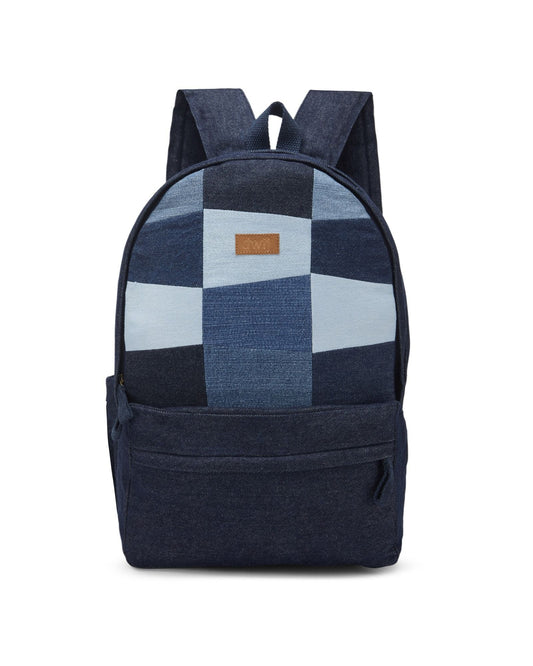
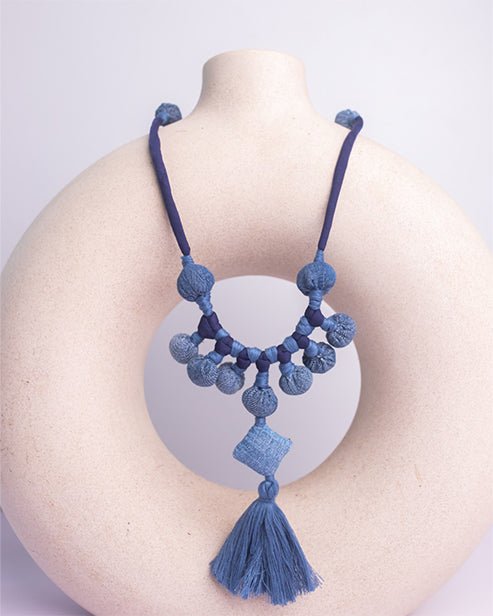
Upcycled products are made by reusing existing materials instead of creating new ones. In the case of denim, old jeans are transformed into bags, accessories, and other functional items.

Upcycled denim products extend the life of fabric that would otherwise end up in landfills.
Brands like dwij specialize in turning discarded denim into thoughtfully designed accessories, giving old materials a completely new purpose.
3. Environmental Impact: Water & Resources
New Denim
Producing a single pair of jeans requires thousands of liters of water. Cotton farming alone is highly water-intensive, followed by dyeing and finishing processes.
Upcycled Denim
Upcycled denim jeans products require little to no additional water since the fabric already exists.

Difference: Upcycling significantly reduces water consumption and conserves natural resources.
4. Waste Reduction & Circular Fashion
New Denim
Fast fashion leads to massive textile waste, with old jeans often discarded after limited use.
Upcycled Denim Products
Upcycled products help reduce waste by repurposing old garments into new items.

This supports a circular fashion system where materials are reused instead of thrown away.
Difference: Upcycling actively reduces landfill waste.
5. Energy Consumption & Carbon Footprint
New Denim
From farming cotton to manufacturing fabric, new denim involves multiple energy-intensive processes.
Upcycled Denim
Since the base material already exists, upcycled denim products skip most of these stages.

Difference: Upcycled denim has a much lower carbon footprint.
6. Uniqueness & Design Value
New Denim
New denim products are usually mass-produced, resulting in uniform designs.
Upcycled Denim Jeans Products
Each piece made from upcycled denim is unique due to variations in fabric, washes, and textures.
At dwij, every product created from upcycled denim carries a distinct character, making it more personal and meaningful.
Difference: Upcycled denim offers individuality and craftsmanship.
7. Durability & Longevity
New Denim
New denim is strong, but it takes time to soften and adapt to usage.
Upcycled Denim
Upcycled denim often comes from pre-worn jeans, meaning the fabric is already softened yet durable.

This makes upcycled denim products both comfortable and long-lasting.
Difference: Upcycled denim combines durability with comfort from day one.
8. Cost & Conscious Value
New Denim
Prices vary depending on brand and quality, but the environmental cost remains high.
Upcycled Products
While some upcycled denim jeans products may seem premium, they offer long-term value by supporting sustainability and ethical production.

Difference: Upcycled denim provides value beyond just price, it supports responsible consumption.
So, Which Is More Sustainable?
When comparing both options:
-
Lower water usage → Upcycled denim
-
Less waste → Upcycled denim
-
Reduced carbon footprint → Upcycled denim
-
Unique design value → Upcycled denim
The answer is clear: upcycled denim products are significantly more sustainable than new denim.

For conscious consumers, choosing upcycled is not just a trend, it’s a responsible lifestyle choice.
Brands like dwij are helping lead this shift by creating practical, stylish, and environmentally friendly products from discarded denim.
FAQs: Upcycled Denim vs New Denim
1. What are upcycled denim products?
Upcycled denim products are items made by reusing old denim garments, such as jeans, to create new products like bags and accessories.
2. Are upcycled denim jeans products durable?
Yes. Since denim is naturally strong, upcycled denim jeans products are durable and suitable for everyday use.
3. Why is upcycled denim more sustainable than new denim?
Upcycled denim reduces water usage, energy consumption, and textile waste, making it a more eco-friendly option.
4. Do upcycled products look different from new ones?
Yes. Upcycled products often have unique textures and variations, making each piece one-of-a-kind.
5. Where can I find good quality upcycled denim products?
Sustainable brands like dwij create thoughtfully designed upcycled denim products that combine style, durability, and environmental responsibility.