
When you hear “upcycled denim,” one of the first questions that may come to mind is: What about hygiene?
At dwij, we understand the question. Our products begin with post-consumer jeans and post-industrial denim, materials that have already had a previous life. But before that denim reaches our workshop, it goes through a rigorous industrial pre-washing process conducted by our sourcing partners.
Only after the washing process is completed does the denim come to the dwij workshop, where it is sorted, cut, stitched, and transformed into products designed for a second life.
Here is what happens behind the scenes.
Where Does Dwij's Denim Come From?
Our sourcing process begins with materials that already exist.
We work with two primary sources:
-
Post-consumer jeans sourced through informal and second-hand markets
-
Post-industrial denim such as mill rejects, offcuts, and lower-grade material that may otherwise remain unused
The aim is not simply to find denim. It is to identify material that still has enough strength, character, and usable surface area to become something new.

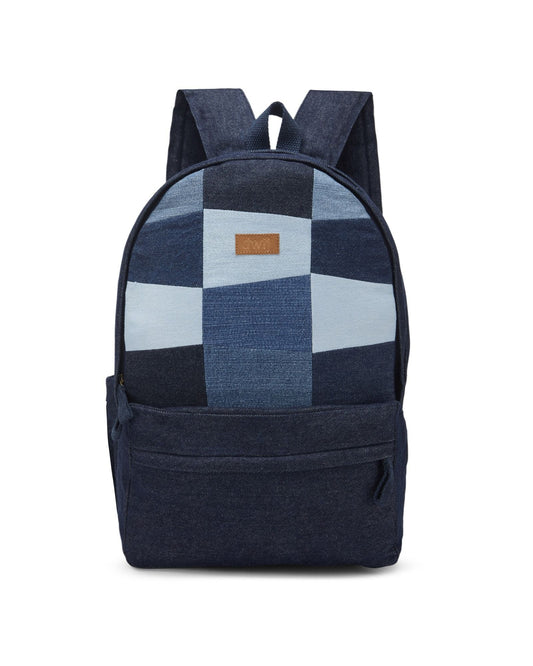
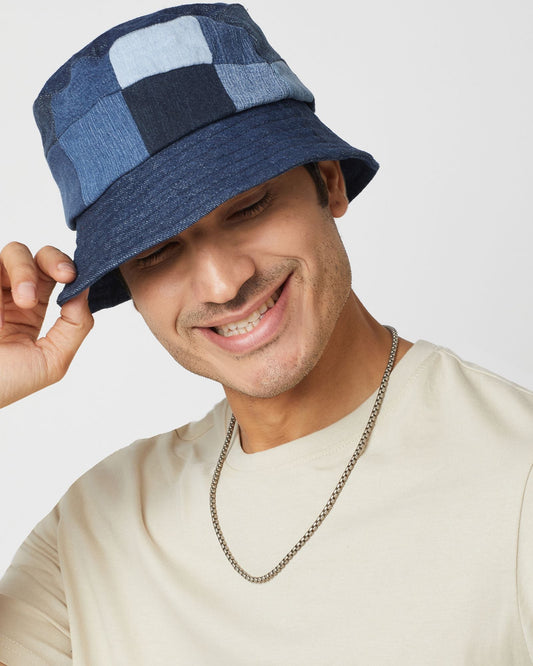
The natural fading, worn-in texture, original seams, pockets, and different shades of denim are part of what makes upcycled products distinctive.
But before any of this material enters production, there is an important step: washing.
The Washing Happens Before the Denim Reaches Our Workshop
One important part of Dwij's process is that washing does not happen inside the dwij workshop.
After sourcing, the rescued denim is sent to our sourcing partners for industrial pre-washing. This takes place before the material reaches our production team.
This separation is intentional.
The denim arrives at the workshop only after it has gone through this cleaning stage, allowing our team to focus on sorting, designing, cutting, stitching, and finishing.
So, when asking how Dwij cleans donated jeans, the answer is: the material is professionally pre-washed by our sourcing partners after sourcing and before production.
What Does Industrial Pre-Washing Do?
Pre-washing prepares previously used denim for its next life.
The industrial washing process is intended to remove accumulated dirt, oils, and other impurities from the sourced material before it enters our production workflow.
This is particularly important when working with post-consumer textiles because we don't treat a used garment as production-ready material simply because it looks clean.
It needs to go through the appropriate cleaning process first.
At dwij, upcycled does not mean untreated.
From Washed Denim to the Dwij Workshop
Once the denim has been washed, it enters our workshop.
This is where the material starts becoming a dwij product.
Our team examines the denim based on factors such as:
-
Shade and natural fading
-
Fabric weight and thickness
-
Strength and condition
-
Existing seams and pockets
-
Available usable fabric
-
Potential applications
A pair of jeans may eventually become part of a tote bag, convertible bag, backpack, laptop sleeve, sling, pouch, or another utility product.

The material itself often influences the design.
That is one of the interesting differences between working with new fabric and working with upcycled denim: instead of starting with an unlimited roll of identical material, we design around what is actually available.
Why We Don't Hide the Original Character of Denim
At dwij, we don't try to make rescued denim look artificially new.
Natural fading, variations in shade, original stitch lines, and traces of the fabric's previous life can become part of the finished product.
We also don't use chemical washing simply to create an artificial faded effect.
The character is already there.
Our approach is to preserve that character while giving the material a useful new form.
This is why two products made from upcycled denim may look slightly different—even when they follow the same design.
Hygiene Is Only One Part of Responsible Upcycling
For us, responsible upcycling doesn't stop at washing.
It also means thinking about how much of the material we can use, how long the finished product can remain useful, and what happens when the product eventually reaches the end of its life.
Our low-waste approach means denim scraps are not automatically treated as useless leftovers. Smaller pieces can be incorporated into patchwork and other design details wherever practical.
We also follow a design-for-disassembly philosophy, considering how components can eventually be separated for future recycling or upcycling.
The idea is simple:
A material's second life should not become another dead end.
What Goes Into a Dwij Product?
Once the denim is prepared, our artisans and production team transform it into functional products.
Depending on the collection, this can include denim bags, tote bags, convertible bags, laptop sleeves, pouches, home décor, and accessories.
We also add carefully selected components such as:
-
Premium-quality YKK Japanese zippers and sliders
-
Rust-free, non-corrosive white-metal fittings
-
Recycled PET felt where required
-
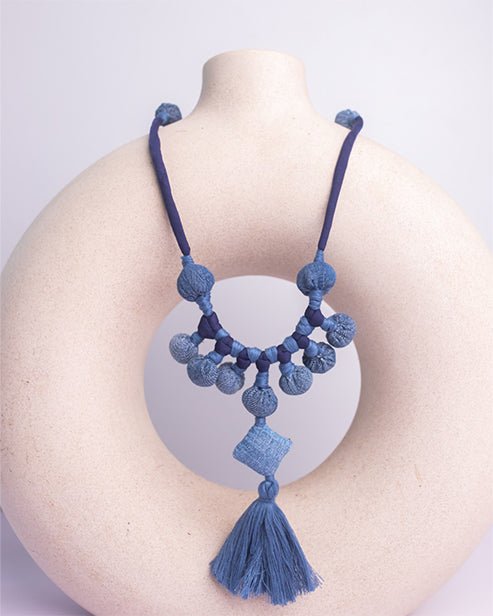
Hand embroidery and textile embellishment in selected collections

Our embroidered collections including the Kantha Hand Embroidered Collection, Kutch Hand Embroidered Collection, Daisy Hand Embroidered Collection, Flower Hand Embroidered Collection and Heart Hand Embroidered Collection bring another layer of craftsmanship to rescued denim while supporting artisan skills.
From “Old Jeans” to Something Worth Keeping
The washing stage may happen before the denim reaches our workshop, but it is an important part of the overall journey.
The process looks something like this:
Source → Industrial Pre-Wash → Sort → Design → Cut → Stitch → Finish → Quality Check → New Life
Every stage has a role.
The washing prepares the material.
The sorting identifies its potential.
The cutting gives it direction.
The artisans give it form.
And the finished product gives the denim another chapter.

That is what dwij means to us: द्वि (twice) + ज (born) twice born.
We aren't simply making products from old jeans.
We are asking a bigger question:
What if something we thought was finished could still have another useful life?
And that question begins long before the first stitch.
Frequently Asked Questions
How does Dwij clean donated jeans?
After sourcing, the denim undergoes an industrial pre-washing process through Dwij's sourcing partners before the material enters the dwij workshop. This prepares the previously used denim for production.
Does Dwij wash the jeans inside its workshop?
No. The industrial washing takes place outside the dwij workshop through our sourcing partners. The washed denim is then brought to the workshop for sorting and production.
Is upcycled denim hygienic?
At dwij, sourced denim is industrially pre-washed before it enters production. This cleaning step is part of our process for preparing previously used textiles before they are transformed into new products.
Where does Dwij get its denim?
Dwij works with post-consumer jeans sourced through informal and second-hand markets as well as post-industrial denim waste, including mill rejects and offcuts.
Does Dwij use chemical washes to make the denim look faded?
No. We value the naturally faded character and authentic texture that denim already develops through use. We do not use chemical washing to artificially create these effects.
What happens to denim scraps at Dwij?
We strive to operate with a low-waste approach. Where practical, smaller denim scraps can be used for patchwork and other design details rather than being discarded immediately.
What products does Dwij make from upcycled denim?
Dwij creates a range of everyday products including tote bags, convertible bags, backpacks, laptop sleeves, slings, pouches, home décor, and other accessories.
Why does Dwij use design for disassembly?
Our design-for-disassembly philosophy considers what happens to a product at the end of its useful life. By thinking about how components can be separated, we aim to make future recycling or upcycling more practical.
What makes Dwij's upcycled denim products different?
Every piece of rescued denim carries its own shade, fading, texture, seams, and history. Because we work with these existing characteristics rather than manufacturing identical new fabric, each Dwij product can have its own individual character.