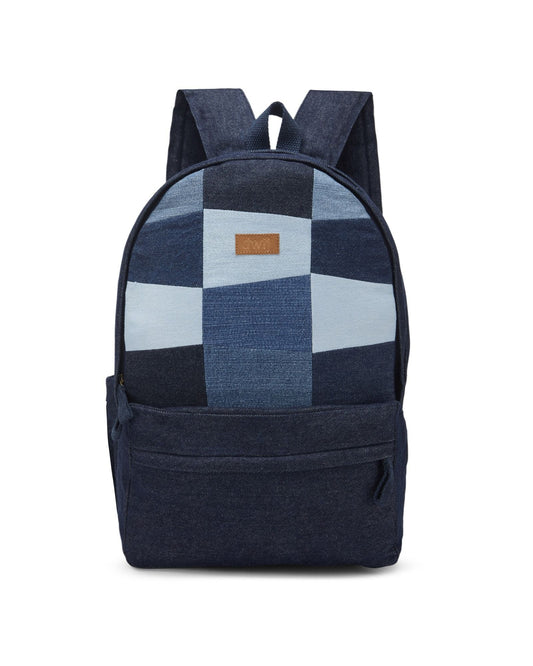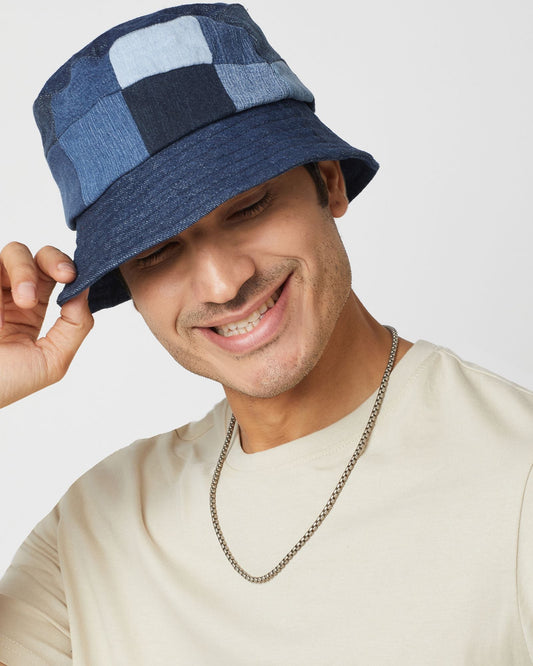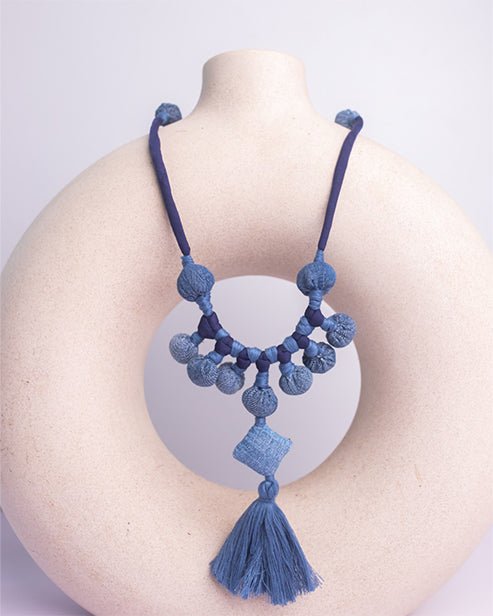

Embroidery has always been more than decoration. It is an expression of craftsmanship, culture, and creativity stitched into fabric. Today, both hand embroidery and machine embroidery are widely used in fashion, accessories, and home décor, but they offer very different experiences in terms of texture, artistry, sustainability, and production.
At Dwij, embroidery is not just about adding visual beauty to products. It is about preserving craftsmanship while creating meaningful, sustainable designs from upcycled textiles. Every stitch on our products reflects our philosophy of transforming waste into wonder.
If you have ever wondered about the difference between hand embroidery and machine embroidery, this guide explains everything you need to know.
Understanding Hand Embroidery
Hand embroidery is a traditional art form where artisans manually stitch designs using a needle and thread. Every pattern is created by hand, making each piece naturally unique. Since the process depends on human skill and creativity, no two products are ever identical.

Hand embroidery is commonly seen in:
-
Hand embroidered bags
-
Hand embroidered tote bag collections
-
Fashion garments
-
Decorative home products
-
Artisan accessories
One of the most beautiful aspects of hand embroidery is its individuality. The slight variation in stitches, textures, and thread movement gives the product authenticity and character.
At Dwij, handcrafted embroidery aligns perfectly with our sustainable and ethical values. Since our products are made from rescued denim and discarded textiles, hand embroidery allows us to preserve the natural beauty of fabrics while supporting skilled artisans.
Understanding Machine Embroidery
Machine embroidery uses computerized embroidery machines to create designs with precision and speed. The patterns are programmed into the machine, allowing it to replicate the exact same design repeatedly.
Machine embroidery is commonly used for:
-
Large-scale production
-
Corporate branding
-
Uniform logos
-
Bulk fashion manufacturing
-
Fast production requirements
Because machines work with exact programming, the final products look highly consistent. This makes machine embroidery ideal for mass production where identical output is required.
However, machine embroidery often lacks the natural imperfections and handmade feel that make handcrafted products emotionally valuable and artistically expressive.
Main Differences Between Hand Embroidery and Machine Embroidery
1. Craftsmanship and Uniqueness
Hand embroidery celebrates individuality. Every stitch reflects the artisan’s skill, movement, and artistic interpretation. The final result feels personal and one-of-a-kind.
Machine embroidery focuses on precision and repetition. Every product looks almost identical because it follows computer-guided patterns.
At Dwij, we believe imperfections are part of authenticity. Since every upcycled textile already carries its own history and texture, hand embroidery enhances that individuality beautifully.
2. Texture and Feel
Hand embroidery creates a softer, more dimensional texture. The stitches may vary slightly in size and direction, adding depth and richness to the fabric.
Machine embroidery usually feels flatter and denser because of tightly packed stitches and uniform thread tension.
When creating embroidered hand bags or hand embroidered handbags, texture plays an important role in how premium and artistic the product feels. Handmade embroidery often creates a warmer and more luxurious appearance.

3. Production Speed
Machine embroidery is significantly faster. Large quantities can be produced within hours, making it suitable for commercial manufacturing.
Hand embroidery is slow and labor-intensive. A single design may take several hours or even days depending on its complexity.

At Dwij, we intentionally choose slower craftsmanship over mass production because sustainability should prioritize longevity, care, and mindful creation instead of fast consumption.
4. Sustainability and Waste
Machine embroidery often supports mass manufacturing models that contribute to overproduction and textile waste.
Hand embroidery naturally aligns better with sustainable and low-waste production because it encourages small-batch craftsmanship and thoughtful design.
Dwij’s circular design philosophy combines upcycled materials with handcrafted detailing to reduce environmental impact. Our hand embroidered products are designed to last longer and carry emotional value, reducing the cycle of disposable fashion.
5. Artistic Flexibility
Hand embroidery allows artisans to experiment with intricate details, custom stitching styles, layered textures, and organic creativity.
Machine embroidery depends on software limitations, hoop size, and digitized patterns. While highly accurate, it can sometimes limit artistic spontaneity.
This flexibility is especially valuable when working with upcycled textiles because every fabric behaves differently. Hand embroidery adapts naturally to those variations.
How to Identify Hand Embroidery vs Machine Embroidery
If you are shopping for embroidered products and want to identify whether they are handmade or machine-made, here are some simple ways:
Inspect the Back Side
Hand embroidery usually shows knots, uneven thread movement, or slight irregularities on the reverse side.
Machine embroidery often has clean, highly uniform lock stitches with perfect tension.
Look Closely at Stitch Consistency
In hand embroidery, stitches naturally vary slightly in size and direction.
Machine embroidery creates perfectly aligned and equally spaced stitches.
Feel the Texture
Hand embroidery generally feels softer, raised, and more dimensional.
Machine embroidery often feels flatter and denser.
Why Hand Embroidery Matters More in Sustainable Fashion
In a world dominated by fast fashion, hand embroidery represents something meaningful: patience, craftsmanship, and human connection.
At Dwij, our handmade products are not mass-produced. Every product carries the story of rescued textiles transformed into something useful and beautiful. Whether it is a hand embroidered tote bag, a pouch, or one of our embroidered hand bags, every piece reflects conscious design and thoughtful craftsmanship.
Because we work with post-consumer and post-industrial fabrics, no two products are ever exactly alike. Hand embroidery complements this uniqueness perfectly, allowing us to celebrate the original texture and character of each material.

Our approach supports:
-
Artisan craftsmanship
-
Ethical production
-
Circular fashion
-
Low-waste manufacturing
-
Long-lasting design
When customers choose handcrafted products, they are not just buying accessories. They are supporting sustainable practices and preserving traditional artistry.
Final Thoughts
Both hand embroidery and machine embroidery have their place in modern fashion and design. Machine embroidery offers speed, consistency, and scalability, while hand embroidery brings authenticity, texture, artistry, and emotional value.
For brands like Dwij, hand embroidery represents more than aesthetics. It reflects a commitment to sustainability, craftsmanship, and conscious living. Every stitch contributes to a larger purpose transforming discarded materials into meaningful products designed to last.
In a world of identical mass-produced products, handcrafted embroidery reminds us that true beauty often lies in individuality.
FAQs
1. Which is better: hand embroidery or machine embroidery?
Both have different purposes. Hand embroidery is ideal for unique, artistic, and sustainable products, while machine embroidery is better for large-scale uniform production.
2. Are hand embroidered bags durable?
Yes. High-quality hand embroidered bags made with durable fabrics and proper stitching can last for many years when cared for properly.
3. Why are hand embroidered products more expensive?
Hand embroidery requires skilled craftsmanship and significant time. Each piece is individually created, which increases its artistic and production value.
4. How can I identify genuine hand embroidery?
Look for slight variations in stitches, raised texture, and irregularities on the back side of the fabric. Handmade embroidery rarely looks perfectly identical.
5. Are Dwij products handmade?
Yes. Dwij products are handcrafted using upcycled textiles and sustainable materials, with a strong focus on artisan craftsmanship, durability, and circular design principles.